




Informations pratiques
Thématiques et régions
Centres et programmes liés
Join us on January 28 for an in-depth discussion on the tasks and challenges facing the EU"s new leaders as they take charge following the 2014 elections to the European Parliament. For the fifth year running, ten leading Brussels-based think tanks will join forces to debate the EU"s future including issues such as the Banking Union, the rise of populist movements across Europe and the EU"s main foreign and defence policy goals.
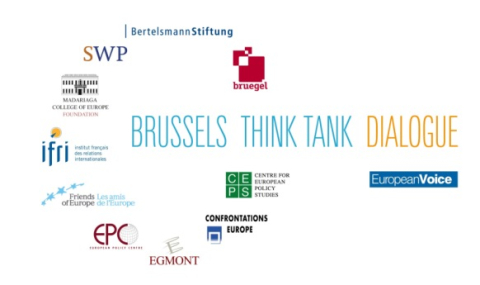
Jointly organised by the Bertelsmann Stiftung, Bruegel, the Centre for European Policy Studies (CEPS),Confrontations Europe, the Egmont Institute, the European Policy Centre (EPC), Friends of Europe - Les amis de l"Europe, the Institut français des relations internationales (Ifri), Madariaga - College of Europe Foundation and the Stiftung Wissenschaft und Politik (SWP), the Brussels Think Tank Dialogues are annual policy forums for critical reflection on the state of the EU and the joint development of analysis and recommendations to improve EU policies. The Dialogues are designed to address pressing political concerns as well as to offer recommendations on specific issues.
Please use this link to see the full programme and to register. You can also follow #BTTD14 for all updates.
En savoir plus

Sujets liés
Autres événements
Europe-Chine : L'UE est-elle prête à répondre au "2e Choc chinois" ?
Un déjeuner débat autour de Paul Maurice, Secrétaire général du Comité d'études des relations franco-allemandes (Cerfa) à l'Ifri et Marc Julienne, Directeur du Centre Asie de l'Ifri.
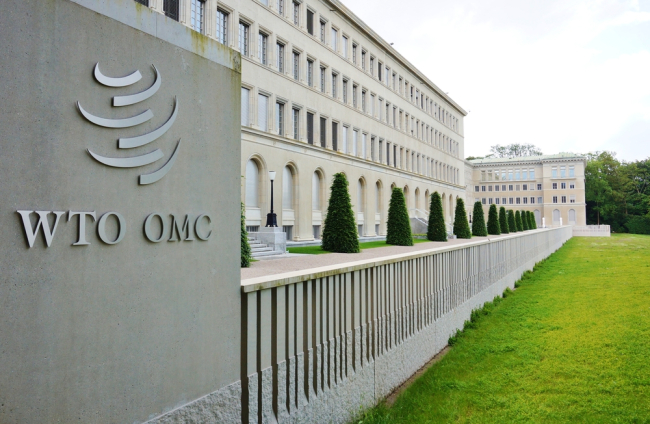
Le commerce mondial à l'heure des rapports de force: quel avenir pour l'OMC ?
Petit-déjeuner débat avec Jean-Marie Paugam, Directeur général adjoint de l'Organisation mondiale du commerce (OMC). Débat présidé par Thierry de Montbrial, Président exécutif de l'Ifri, membre de l'Académie des Sciences morales et politiques.
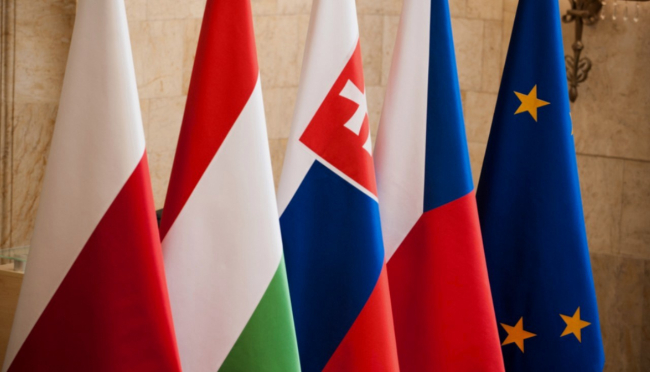
L’Europe centrale face aux choix stratégiques européens. Quel avenir pour la coopération régionale ?
Les récentes évolutions politiques en Europe centrale ont relancé le débat sur l’avenir de la coopération régionale et du Groupe de Visegrád. Les changements intervenus en Hongrie, en Pologne, en République tchèque et en Slovaquie, ainsi que l’intérêt croissant de l’Autriche pour une coopération renforcée avec ses voisins, pourraient créer de nouvelles possibilités de dialogue et de coordination autour de priorités communes.