




Falling Oil Prices: a stress test for the US Shale Oil and the Global Market
Practical information
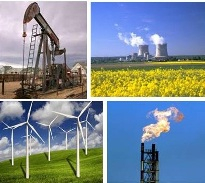
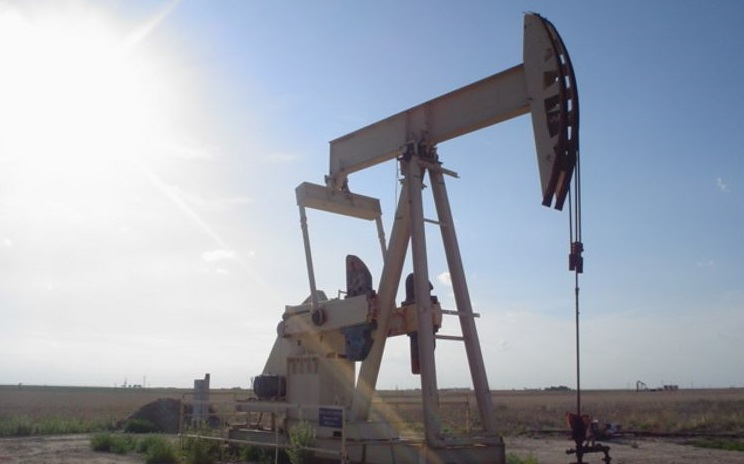
The wide development of the US oil production these last few years has undoubtedly brought major changes on the oil market, reducing significantly the US imports of crude oil, increasing the American exports of petroleum products and changing more globally the trade flows. Since June 2014, the impacts have been significant on the crude oil prices. Will this unexpected and strong decline of the prices exclude the US oil production from the market? The purpose of the event is to examine the specificities of the light tight oil business model and to discuss the wider impacts on the oil market and on “traditional” exporters.
Ifri Energy Center organizes a roundtable conference with:
Sylvie CORNOT-GANDOLPHE, Associate Research Fellow to Ifri,
Author of the Ifri study “The shale oil revolution: the ongoing test of the business model” (forthcoming)
Francis PERRIN, Chairman of Stratégies et Politiques Energétiques (SPE)
Said NACHET, Director, Paris Petroleum Seminar, IFP Training
Chaired by : Marie-Claire AOUN, Director of Ifri Center for Energy
Conseil Central de l'Economie - Room 6 - avenue d'Auderghem 20, Brussels (métro : Schuman)
Other events
One Month Ahead of the Midterms: Where Is Trump’s America Headed?
The 24th edition of the Ifri Americas Programme Annual Conference will examine the dynamics at play in the United States and their implications for Europe and the transatlantic relationship. will examine the dynamics at play in the United States and their implications for Europe and the transatlantic relationship.
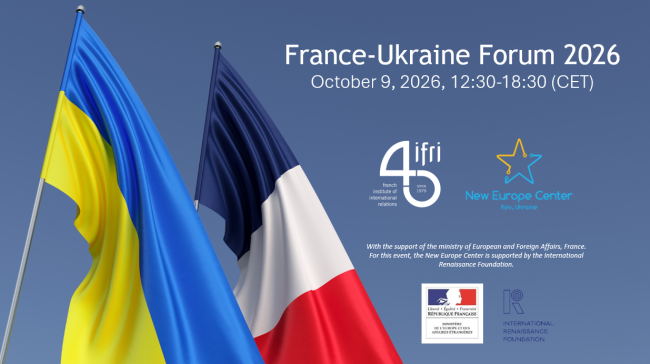
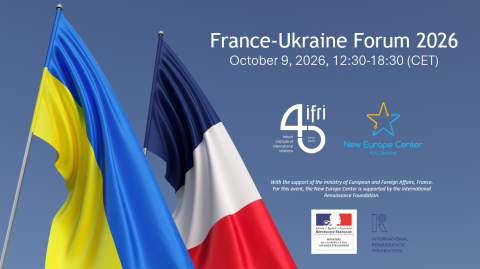
France-Ukraine Forum 2026
More than four and a half years after the start of the full-scale war launched by Russia against Ukraine, the 2026 France-Ukraine Forum will bring together policymakers, experts, academics, and civil society representatives from both countries to discuss three main topics: the formats and conditions for a lasting diplomatic settlement; Ukraine’s Euro-Atlantic integration, encompassing both the EU accession process and closer ties with NATO; and the societal transformations of postwar Ukraine, as well as its prospects for reconstruction.
The EU in a World of Economic Warfare: Trade, Geopolitics, and the Battle for Economic Sovereignty
The international trading system has become a primary theatre of geopolitical competition. Tariffs, sanctions, and technology controls have replaced dialogue as the default instruments of economic relations.