






Falling Oil Prices: a stress test for the US Shale Oil and the Global Market
Informations pratiques
Thématiques et régions
Centres et programmes liés
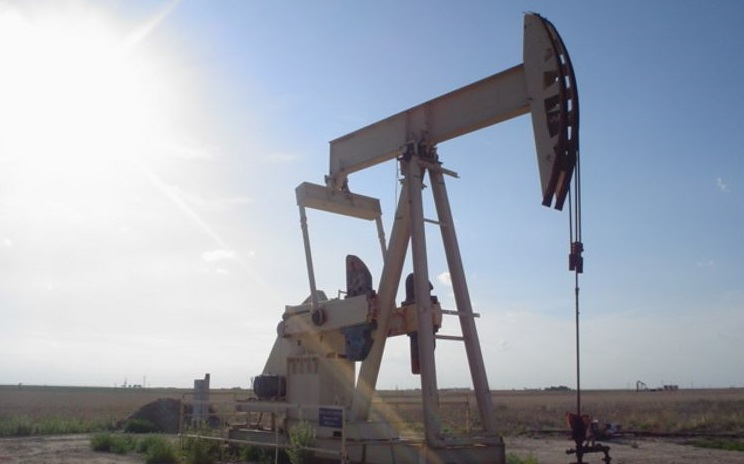
The wide development of the US oil production these last few years has undoubtedly brought major changes on the oil market, reducing significantly the US imports of crude oil, increasing the American exports of petroleum products and changing more globally the trade flows. Since June 2014, the impacts have been significant on the crude oil prices. Will this unexpected and strong decline of the prices exclude the US oil production from the market? The purpose of the event is to examine the specificities of the light tight oil business model and to discuss the wider impacts on the oil market and on “traditional” exporters.
Ifri Energy Center organizes a roundtable conference with:
Sylvie CORNOT-GANDOLPHE, Associate Research Fellow to Ifri,
Author of the Ifri study “The shale oil revolution: the ongoing test of the business model” (forthcoming)
Francis PERRIN, Chairman of Stratégies et Politiques Energétiques (SPE)
Said NACHET, Director, Paris Petroleum Seminar, IFP Training
Chaired by : Marie-Claire AOUN, Director of Ifri Center for Energy
Conseil Central de l'Economie - Room 6 - avenue d'Auderghem 20, Brussels (métro : Schuman)
Sujets liés
Autres événements
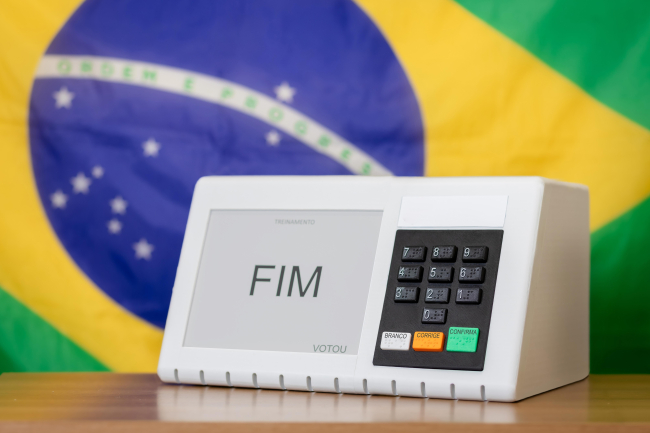
Brésil : vers une continuité décevante, avec Lula ou Bolsonaro
Un brief de 30 minutes autour de Jean-Louis Martin, chercheur associé, Programme Amériques et Centre énergie et climat de l'Ifri.

La sécurité environnementale : nouvel enjeu de l’autonomie stratégique européenne
Face aux bouleversements géopolitiques, à l’accélération du changement climatique et aux avancées technologiques qui redessinent les rapports de force mondiaux, la maîtrise des ressources s’impose comme un enjeu de puissance. Eau, énergie, matières premières critiques : des sujets longtemps appréhendés principalement sous l’angle environnemental ou économique occupent aujourd’hui une place croissante dans les réflexions sur la souveraineté et la sécurité des États.

Le renseignement peut-il encore anticiper les ruptures ?
Retour de la guerre de haute intensité en Europe, durcissement des rivalités entre puissances, multiplication des menaces hybrides, persistance du risque terroriste : le monde est entré dans une ère de confrontation où l'information, son contrôle et son exploitation sont devenus des armes à part entière.