


France-Japan Dialogue on African development: Toward the TICAD 9
Practical information
Accessibility
Themes and regions
Related centers and programs
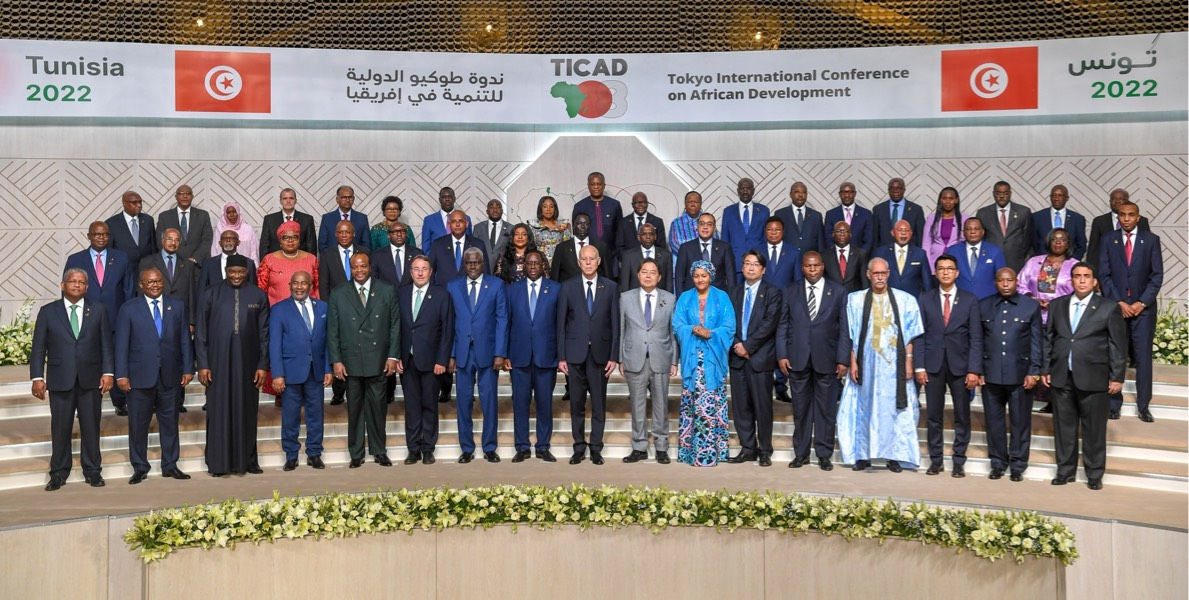
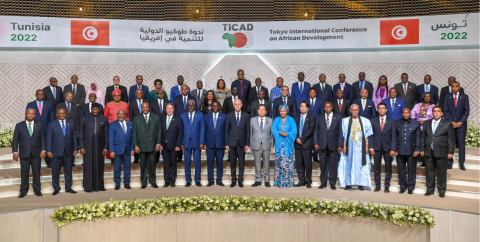
Every three years, the Tokyo International Conference on African Development (TICAD) brings together Japan, its African partners, and international organizations to discuss the development of Africa.
TICAD 9 will be held in 2025, preceded by a preparatory meeting in the summer of 2024. This presents an opportunity to reflect on Japan's cooperation policy with Africa and to exchange perspectives between Tokyo and Paris on this topic.
Since the last TICAD summit in 2022, major international crises have emerged, including the war in Ukraine and the Gaza-Israel conflict. Additionally, the African continent continues to grapple with the aftermath of the pandemic, along with global inflation and growing food insecurity. Political instability has also led to a significant shift in France's engagement on the continent.
The France-Japan Dialogue on Africa will provide an opportunity to reflect on recent developments on the continent and to compare viewpoints beween Japan and France in preparation for TICAD 9.
PROGRAM
Chair: Céline PAJON, Head of Japan Research, French Institute of International Relations (Ifri)
Opening Remarks: Toshihiko HORIUCHI, Director-General, African Affairs Department, Japan Ministry of Foreign Affairs
- Keiichi SHIRATO, Professor, Faculty of International Relations, Ritsumeikan University
- Etienne GIROS, Président, CIAN - Conseil français des investisseurs en Afrique
- Christine HOLZBAUER, International Reporter, Financial Afrik
Contact
Céline PAJON
Research Fellow, Head of Japan and Indo-Pacific Research, Center for Asian Studies, Ifri