





Practical information
Themes and regions
Related centers and programs
On both sides of the Atlantic, the electric industry is undergoing a profound transformation. Flattening demand, the expansion of low marginal cost renewable production and a growing proportion of decentralized resources create major challenges for traditional players, in particular when it comes to the viability of their investments in heavy infrastructures. An additional difficulty relates to historically low commodity prices, emphasizing the downward pressure on electricity wholesale prices and lowering profits for merchant assets.
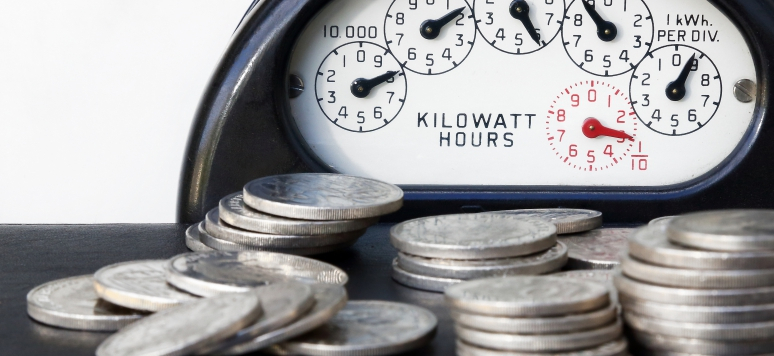
While EU and US market, industrial and regulatory frameworks tend to be different, fundamental questions are being raised in both regions around governance, financing structures and business opportunities in the 21st century electricity system.
This Ifri Energy Breakfast roundtable will discuss the current situation, compare responses and draw common lessons for the future of electric utilities.
Speakers:
- Michael Hogan, Senior Advisor, Regulatory Assistance Project (RAP, USA)
- Michel Matheu, Head of EU Strategy, EDF
- Matti Supponen, Policy Coordinator, Internal Energy Market, European Commission
- Graham Weale, Chief Economist, RWE AG
Moderator: Marie-Claire Aoun, Director of the Ifri Center for Energy.
The debate will be held under Chatham House rule.
Related Subjects
Other events
France-Ukraine Forum 2026
More than four and a half years after the start of the full-scale war launched by Russia against Ukraine, the 2026 France-Ukraine Forum will bring together policymakers, experts, academics, and civil society representatives from both countries to discuss three main topics: the formats and conditions for a lasting diplomatic settlement; Ukraine’s Euro-Atlantic integration, encompassing both the EU accession process and closer ties with NATO; and the societal transformations of postwar Ukraine, as well as its prospects for reconstruction.
The EU in a World of Economic Warfare: Trade, Geopolitics, and the Battle for Economic Sovereignty
The international trading system has become a primary theatre of geopolitical competition. Tariffs, sanctions, and technology controls have replaced dialogue as the default instruments of economic relations.
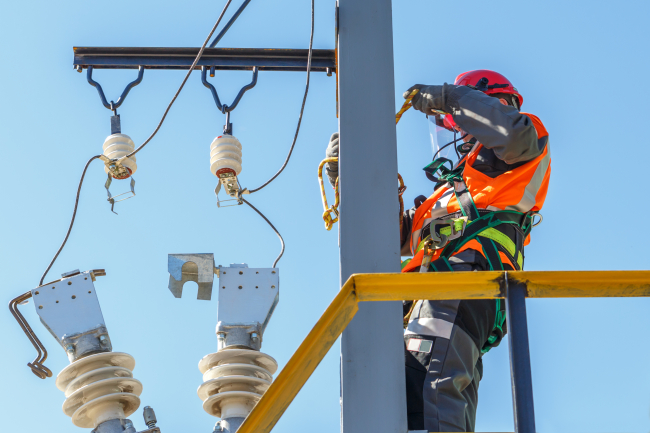
The Road to 27 Electrification Action Plans: Planning and Investing in Europe’s Electric Future
The European Commission’s Electrification Action Plan places the continent on an electric path to structurally reduce dependence on fossil fuel imports and boost the energy transition in industry, transport and buildings.