



Practical information
Depuis le début de la décennie, la Russie manifeste une volonté de modifier son image au moyen d'outils de soft power. Cet effort de soft power et la préoccupation pour l'image projetée à l'extérieur n'ont cependant pas empêché le raidissement de la politique étrangère russe. Le paradoxe de la Russie tient à son attachement au hard power, qui tend à discréditer son soft power, notamment dans son " étranger proche ".
Other events
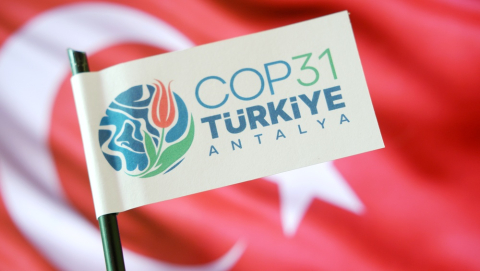
COP31 in Antalaya: State of the Global Climate Governance, Issues, Perspectives
COPs have become a year-end marathon to revigorate a world now entering the era of climate overshoot. While Türkiye exhibits the largest coal-fired power generation in OECD Europe, it has embraced the electrification agenda and aims at joining forces with Australia on fostering action and implementation. This is an unusual de facto co-presidency arrangement, but one that could yield promising results. This webinar will take stock of what climate governance has achieved and of the issues still to be negotiated, and explore what impetus this Turkish–Australian partnership could provide.
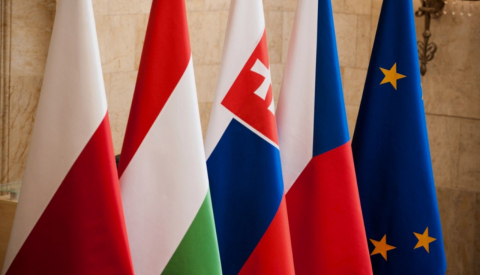
A New Moment for Central Europe? Regional Cooperation in a Time of European Strategic Choices
Recent political developments in Central Europe have revived the debate about the future of regional cooperation and the Visegrád Group. Changes in Hungary, Poland, the Czech Republic and Slovakia, together with Austria’s growing interest in closer cooperation with its neighbours, could create new opportunities for dialogue and coordination around shared priorities.