





Practical information
A luncheon debate with Denis BAUCHARD, Special Adviser for the Middle East at Ifri, and Corentin BRUSTLEIN, Research Fellow at the Centre for Security Studies, Ifri.
The arrival of Hassan Rohani at the presidency of the Iranian islamic Republic was translated on 23 November into the signature of a temporary agreement between Teheran and the P5+1. Its implementation raises numerous issues: what are its goals, and its limits? Can it lead to a more complete solution of the Iranian nuclear issue, or even to a "big Bargain" including the other problems between Iran and the Western powers - support to Hezbollah, hostile attitude towards Israël, threats to human rights, strong support to the Syrian regime? What will be tomorrow the posture of Iran in the area and in its relation with the US and Europe?
Other events
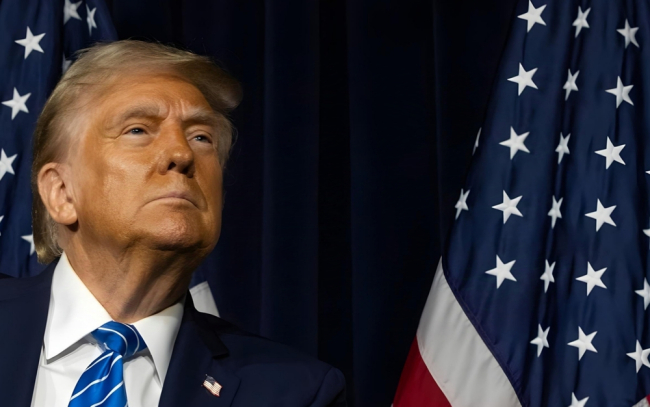
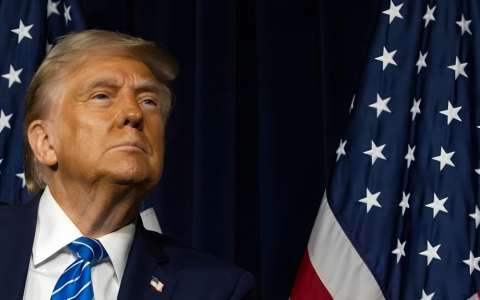
One Month Ahead of the Midterms: Where Is Trump’s America Headed?
The 24th edition of the Ifri Americas Programme Annual Conference will examine the dynamics at play in the United States and their implications for Europe and the transatlantic relationship. will examine the dynamics at play in the United States and their implications for Europe and the transatlantic relationship.
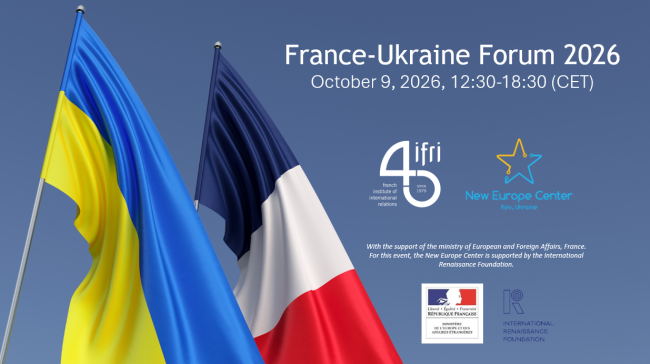
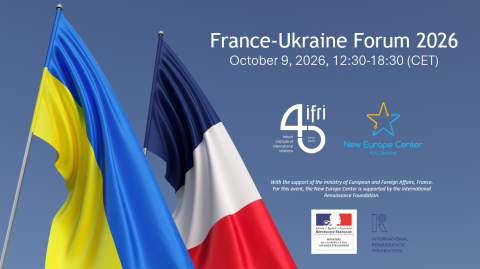
France-Ukraine Forum 2026
More than four and a half years after the start of the full-scale war launched by Russia against Ukraine, the 2026 France-Ukraine Forum will bring together policymakers, experts, academics, and civil society representatives from both countries to discuss three main topics: the formats and conditions for a lasting diplomatic settlement; Ukraine’s Euro-Atlantic integration, encompassing both the EU accession process and closer ties with NATO; and the societal transformations of postwar Ukraine, as well as its prospects for reconstruction.
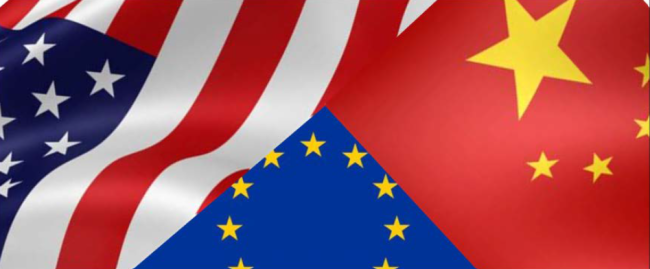
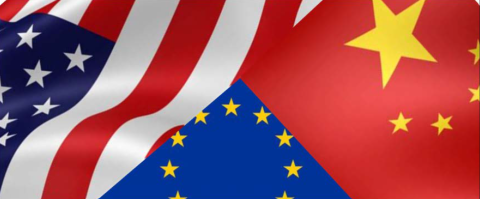
The EU in a World of Economic Warfare: Trade, Geopolitics, and the Battle for Economic Sovereignty
The international trading system has become a primary theatre of geopolitical competition. Tariffs, sanctions, and technology controls have replaced dialogue as the default instruments of economic relations.