




Practical information
Themes and regions
Related centers and programs
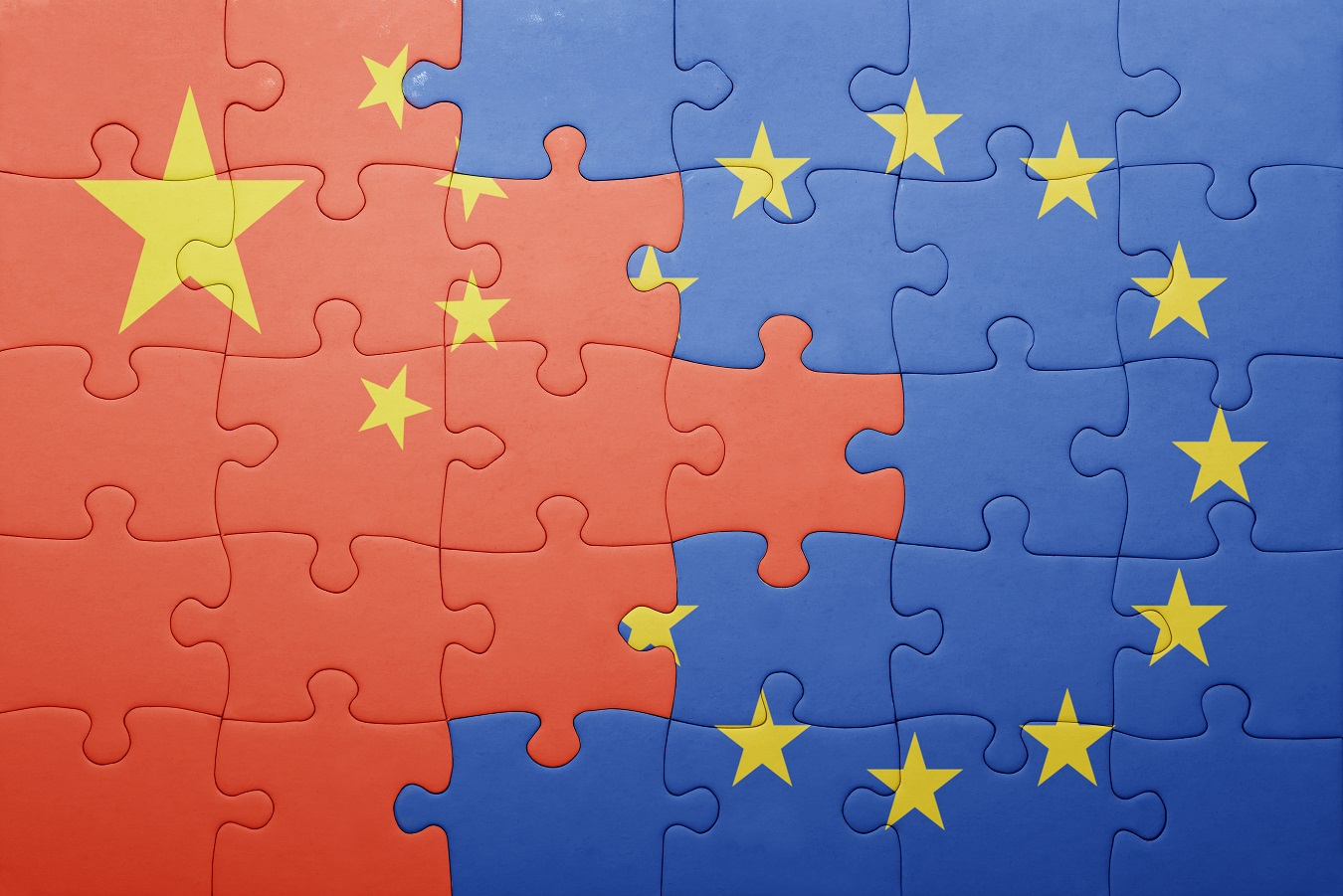
Before the Covid 19 crisis, the German presidency had set an ambitious agenda for EU-China relations, in particular with the prospect of an EU-China summit in Leipzig in September.
This summit was aimed at concluding the negotiation of a “Comprehensive Agreement on Investment”. In the eyes of Chancellor Merkel, this summit should also provide a unique opportunity for EU leaders to “speak with one voice” to China. The German government recently announced that the EU-China summit has been postponed.
What does this decision actually mean? Is it just a warning sign or the beginning of a “China reckoning” by Europeans?
Eric André Martin, Secretary General of the Study Committee on Franco-German Relations (Cerfa), Ifri
Mikko Huotari, Executive Director of the Mercator Institute for China Studies (MERICS)
John Seaman, Research Fellow, Center for Asian Studies, Ifri
Paul Maurice, Research Fellow, Study Committee on Franco-German Relations (Cerfa), Ifri
Videoconference held in English.
The day prior to the debate, registered participants will receive the link to join the session.
Speakers

Our team

Éric-André MARTIN
Former Secretary General of the Study Committee on Franco-German Relations (Cerfa), Ifri

Paul MAURICE
Secretary General of the Study Committee on Franco-German Relations (Cerfa), Ifri

John SEAMAN
Research Fellow, Center for Asian Studies, Ifri



Find out more
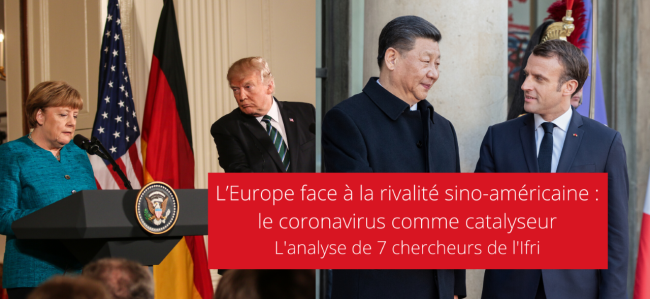
L'Europe face à la rivalité sino-américaine : le coronavirus comme catalyseur
La pandémie de coronavirus agit comme un double catalyseur. De manière visible, elle teste la résilience de l’Union européenne (UE) et de ses membres, tiraillés entre la Chine d’où est parti le virus et les États-Unis où il arrive.

Covid-19 in Europe-China Relations: A country-level analysis
Analysis from 19 countries reveals the complexities of Europe’s relations with China amid the Covid-19 crisis.

Europe in the Face of US-China Rivalry
Navigating the mounting tensions between the United States and China is a geopolitical minefield. Is Europe up to the challenge?
Related Subjects
Other events
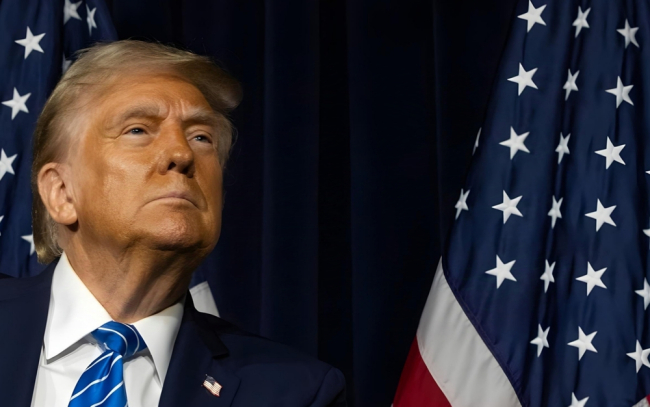
One Month Ahead of the Midterms: Where Is Trump’s America Headed?
The 24th edition of the Ifri Americas Programme Annual Conference will examine the dynamics at play in the United States and their implications for Europe and the transatlantic relationship. will examine the dynamics at play in the United States and their implications for Europe and the transatlantic relationship.
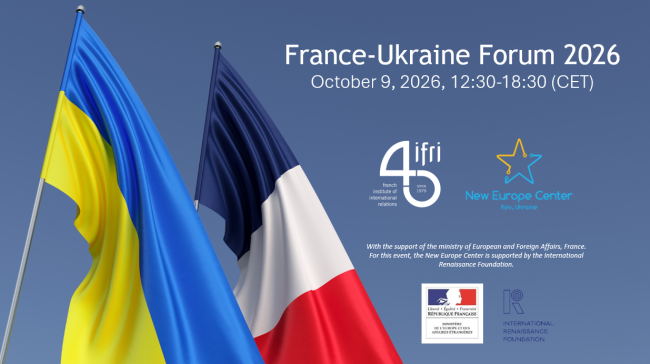
France-Ukraine Forum 2026
More than four and a half years after the start of the full-scale war launched by Russia against Ukraine, the 2026 France-Ukraine Forum will bring together policymakers, experts, academics, and civil society representatives from both countries to discuss three main topics: the formats and conditions for a lasting diplomatic settlement; Ukraine’s Euro-Atlantic integration, encompassing both the EU accession process and closer ties with NATO; and the societal transformations of postwar Ukraine, as well as its prospects for reconstruction.
The EU in a World of Economic Warfare: Trade, Geopolitics, and the Battle for Economic Sovereignty
The international trading system has become a primary theatre of geopolitical competition. Tariffs, sanctions, and technology controls have replaced dialogue as the default instruments of economic relations.