



Covid-19 in Europe-China Relations: A country-level analysis

Analysis from 19 countries reveals the complexities of Europe’s relations with China amid the Covid-19 crisis.
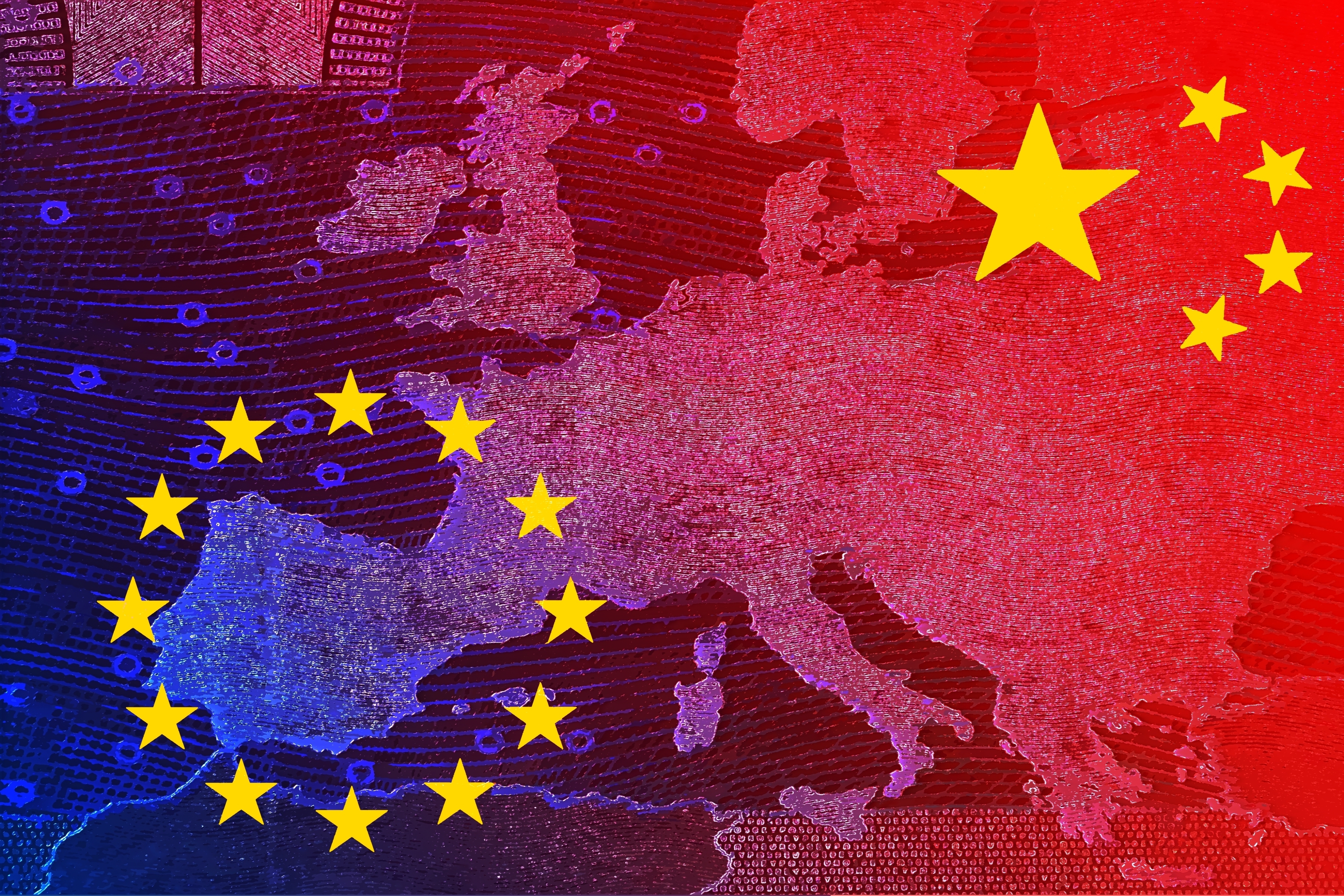
This report, which brings together experts from across the continent, is a collaborative effort of the 21 research institutes that make up the European Think-tank Network on China (ETNC), of which Ifri is a founding member.
As explained by John Seaman, editor of the report and Research Fellow in Ifri’s Center for Asian Studies, the Covid-19 crisis represents the first time that China has figured so prominently on an issue of immediately critical importance to European citizens, governments, and the European project more broadly. The way that relations with China evolve over the course of the crisis will likely have a lasting effect on the Europe-China relationship.
This was already supposed to be a defining year for Europe-China relations. Critical decisions are slated to be made on questions such as 5G licensing rules in Europe and a bilateral investment agreement between China and the European Union (EU), while in September, 27 European heads of state and government are meant to sit down, for the first time collectively, with their Chinese counterpart in Leipzig, Germany. Now, 2020 is shaping up to be decisive on an even broader range of issues.
KEY OBSERVATIONS DRAWN FROM THE REPORT:
- While the situation is still highly fluid, the crisis has so far simultaneously brought Europe and China into closer cooperation, pushed them further apart, and seemingly amplified many of the fractures that exist within Europe on how to approach an increasingly powerful and influential China.
- Structural issues in Europe-China relations – including the contours of multilateralism, enhanced investment screening and the extent of European strategic autonomy in areas relevant to China – will become more prevalent as time wears on.
- Covid-19 crisis assistance has been mutual, while commercial exchanges in medical supplies from China to Europe have far exceeded aid volumes.
- Meanwhile, Chinese diplomats have become more visible and proactive across much of Europe, particularly on social media.
- While China’s increasingly proactive public diplomacy is widespread, there is a diversity in methods that ranges from low key (see Latvia or Romania) to “charm offensive” (see Poland, Portugal, Italy or Spain) to provocative or aggressive (see Sweden, Germany or France).
- China is becoming an increasingly divisive topic of internal political debate in many European countries. At the same time, China’s actions toward Europe in this time of crisis seem to amplify the fractures across the continent.
- Still, it cannot be excluded that, as time wears on, China will prove to be a catalyst for the emergence of the much-heralded “geopolitical Europe”. Indeed, China has recently sparked common European initiatives on issues such as investment screening, 5G and industrial policy, and galvanized strategic policy thinking in a number of capitals.
- Finally, debates across Europe have not been immune to the US-China rivalry, and this is likely to be a key feature as debates move toward more structural issues in a post-Covid-19 world.
Focus on France:
In the report, Ifri’s Marc Julienne, Head of China research in the Center for Asian Studies, provides an analysis of how relations between France and China have evolved within the current crisis.
- As the Covid-19 crisis has evolved, China and France have demonstrated mutual assistance and expressed their solidarity with each other. However, their bilateral relations have also been tested, particularly as the Chinese embassy in Paris has made waves through a number of controversial public comments.
- Through anonymous, op-ed-like articles published on its website, the Embassy of the People's Republic of China (PRC) in France has aggressively denigrated Western democracies and pushed forward the official PRC narrative of success in the management of the crisis.
- The behavior of the Chinese embassy in France, which resulted in the summoning of the ambassador by the French Minister of Foreign Affairs, reflects Beijing’s new diplomatic approach to public relations, a more proactive and aggressive style dubbed “Wolf Warrior” diplomacy, after the patriotic Chinese blockbuster film. This new approach has been witnessed in many countries, especially in Europe.
- French public opinion has evolved from rather positive views to a cooler, and sometimes hostile, attitude vis-à-vis China from late March. This was triggered by increasing doubts on China’s transparency, accusations of influence over the World Health Organization (WHO), geopolitical motives behind what has been called China’s “mask diplomacy”, as well as the aggressive stance taken by the PRC embassy.
- This aggressive attitude is a new phenomenon that risks undermining the views of China in France, including within the government, which could affect bilateral relations.
- The Covid-19 pandemic is likely to further motivate President Macron’s commitment to multilateralism and strategic autonomy. The EU is the priority of this multilateralism, and China will remain an important partner. Strategic autonomy will likely materialize in an increased self-reliance in industrial sectors, and consequently a decrease of French and European investments in China.
This page contains only a summary of our work. If you would like to have access to all the information from our research on the subject, you can download the full version in PDF format.
Covid-19 in Europe-China Relations: A country-level analysis



John SEAMAN
Research Fellow, Center for Asian Studies, Ifri

Marc JULIENNE
Director, Center for Asian Studies, Ifri


Center for Asian Studies
Asia is a nerve center for multiple global economic, political and security challenges. The Center for Asian Studies provides documented expertise and a platform for discussion on Asian issues to accompany decision makers and explain and contextualize developments in the region for the sake of a larger public dialogue.
The Center's research is organized along two major axes: relations between Asia's major powers and the rest of the world; and internal economic and social dynamics of Asian countries. The Center's research focuses primarily on China, Japan, India, Taiwan and the Indo-Pacific, but also covers Southeast Asia, the Korean peninsula and the Pacific Islands.
The Centre for Asian Studies maintains close institutional links with counterpart research institutes in Europe and Asia, and its researchers regularly carry out fieldwork in the region.
The Center organizes closed-door roundtables, expert-level seminars and a number of public events, including an Annual Conference, that welcome experts from Asia, Europe and the United States. The work of Center’s researchers, as well as that of their partners, is regularly published in the Center’s electronic journal Asie.Visions.
European Think-tank Network on China (ETNC)
The European Think-tank Network on China (ETNC) is a gathering of China experts from a selection of European research institutes. It is devoted to the policy-oriented study of Chinese foreign policy and relations between China and European countries as well as China and the EU. It facilitates regular exchanges among participating researchers with a view to deepening the understanding within the European policy and research community and the broader public of how Europe, as a complex set of actors, relates with China and how China’s development and evolving global role is likely to impact the future of Europe. The network’s discussions and analyses take a decidedly ‘bottom-up’ approach, accounting for the various aspects of bilateral relations between European countries and China, and the points of convergence and divergence among EU member states in order to examine EU-China relations in a realistic and comprehensive way. The views presented in ETNC reports are the sole responsibility of the signed authors and do not in any way represent the views of all members of the ETNC, its participating institutions, nor the institutions with which the authors are affiliated.
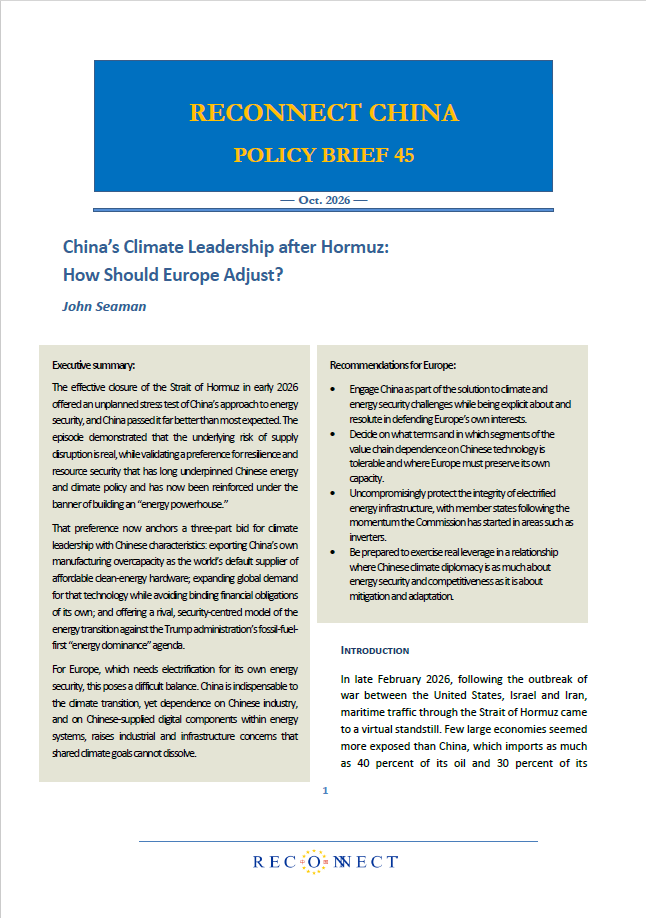
China’s Climate Leadership after Hormuz: How Should Europe Adjust?
The effective closure of the Strait of Hormuz in early 2026 offered an unplanned stress test of China’s approach to energy security, and China passed it far better than most expected. The episode demonstrated that the underlying risk of supply disruption is real, while validating a preference for resilience and resource security that has long underpinned Chinese energy and climate policy and has now been reinforced under the banner of building an “energy powerhouse.”

China as an ambivalent supporter of the WTO and the multilateral trading system
Amid rising trade tensions between Europe and China and broader uncertainty in the international rules-based trade regime, Beijing has worked to preserve and bolster the multilateral trading system while at the same time failing to reform the domestic policies that have served to undermine that same system.

Pakistan and the Israel-Palestine Conflict: Transformation in Pakistan’s Approach After the War in Gaza
Pakistan has long combined vocal support for the Palestinian cause with covert engagement with Israel. Since the war in Gaza, this balance has become untenable: public opinion is united against Israel, joining Trump’s Board of Peace has drawn rare cross-party criticism, and new regional alignments put normalization out of reach.
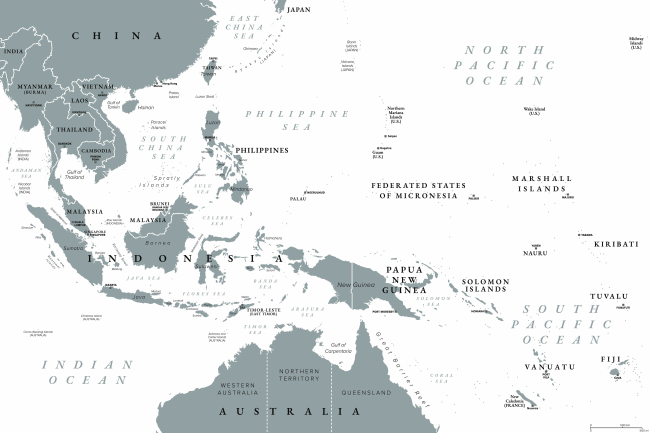
The Oceania Factor in France’s Evolving Indo-Pacific Strategy
This paper examines the two-way relationship between France’s Indo-Pacific strategy and developments in Oceania. Oceania was not a priority in the initial years of France’s Indo-Pacific strategy, as the region was largely treated as secondary to major strategic hotspots and key partnerships, while overseas territories were primarily handled as domestic issues and recipients of a top-down strategy.