








Practical information
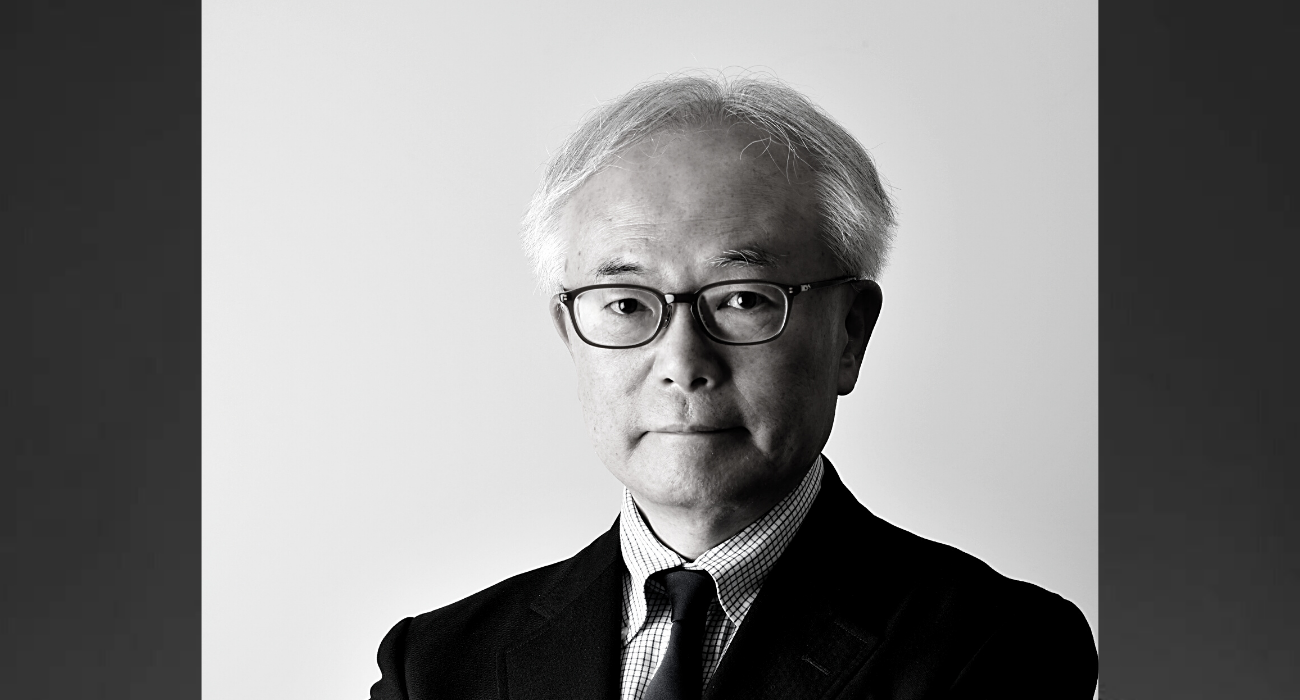
A videoconference around Tomohiko Taniguchi, Former Special Adviser to the Cabinet of Prime Minister of Japan Shinzo Abe and Prime Minister Abe’s primary foreign policy speechwriter.
Shinzo Abe suddenly resigned on August 28th, a few days after he broke the record as Japan’s longest-serving Prime Minister. Restoring stability to government, Mr. Abe pledged to bring Japan back onto the international chessboard, animated by a grand vision for his country. He initiated major economic reforms through his Abenomics program and passed important laws to normalize Japan’s defense posture. Shinzo Abe is not a consensual figure, but while his domestic legacy is being debated, his diplomatic achievements have been widely praised. Japan’s proactive commitment to salvage the Trans-Pacific Partnership, its conclusion of the EU-Japan Economic and Strategic partnerships and the launching of the Free and Open Indo-Pacific strategy may be the most prominent in a long list. Previously perceived as a declining country, Japan is now seen as a major strategic partner for Europe in an era of Sino-American rivalry. What is Shinzo Abe’s legacy in term of foreign policy? Where is Japan heading to in the post-Abe era? What are the main challenges ahead in terms of foreign and security policy?
Tomohiko TANIGUCHI, PhD, is a Professor at Keio University Graduate School of System Design and Management and a Former Special Adviser to Prime Minister Shinzo Abe’s Cabinet. He was awarded a LL.B. from the University of Tokyo. In 2005, he joined the Ministry of Foreign Affairs as Deputy Press Secretary. He spent the next three years writing speeches for then Foreign Minister Taro Aso. Since January 2013, he has been Prime Minister Abe’s primary foreign policy speech writer. Previously, he was a journalist for 20 years, during which he spent a stint in London, 1997-2000. In 1999, the Foreign Press Association in London elected him President, the first from Asia.
Chair: Thomas GOMART, Director of Ifri.
Discussant: Céline PAJON, Head of Japan Research at Ifri’s Center for Asian Studies.
This debate is by invitation only. It will be conducted in English.
Find out more
Bilan contrasté de l’ère Abe : Tensions domestiques, succès diplomatiques
Le 28 août 2020, le Premier ministre Shinzo Abe annonçait son départ du gouvernement, vaincu par la maladie chronique dont il souffre depuis l’adolescence.
A New Japan-France Strategic Partnership: A View from Paris
On the occasion of the conference held on the 22 November 2018 marking the 160th anniversary of Franco-Japanese diplomatic relations, Ifri publishes two parallel articles offering French and Japanese perspectives on the bilateral security partnership. Michito Tsuruoka's analysis of Japan's point of view is available here.
Other events
France-Ukraine Forum 2026
More than four and a half years after the start of the full-scale war launched by Russia against Ukraine, the 2026 France-Ukraine Forum will bring together policymakers, experts, academics, and civil society representatives from both countries to discuss three main topics: the formats and conditions for a lasting diplomatic settlement; Ukraine’s Euro-Atlantic integration, encompassing both the EU accession process and closer ties with NATO; and the societal transformations of postwar Ukraine, as well as its prospects for reconstruction.

The EU in a World of Economic Warfare: Trade, Geopolitics, and the Battle for Economic Sovereignty
The international trading system has become a primary theatre of geopolitical competition. Tariffs, sanctions, and technology controls have replaced dialogue as the default instruments of economic relations.

The Road to 27 Electrification Action Plans: Planning and Investing in Europe’s Electric Future
The European Commission’s Electrification Action Plan places the continent on an electric path to structurally reduce dependence on fossil fuel imports and boost the energy transition in industry, transport and buildings.