



Practical information
Since the 1990's, Maghreb has increasingly integrated itself in the global economy. Its young and growing population and its diversified resources have aroused the interest of world's most powerful economic actors. At a time of crisis, will the efforts made since two decades be enough to give a satisfying answer to the world economy's upheavals? To answer this question, Ifri organizes, with OCP Group's support, a seminar gathering prominent researchers as well as public and private decision-makers. This event will be introduced by Dr. Khadija Mohsen-Finan, Head of Maghreb Program, Ifri, and Pr. Jacques Mistral, Head of Economic Studies, Ifri.
Speakers

Our team
Other events
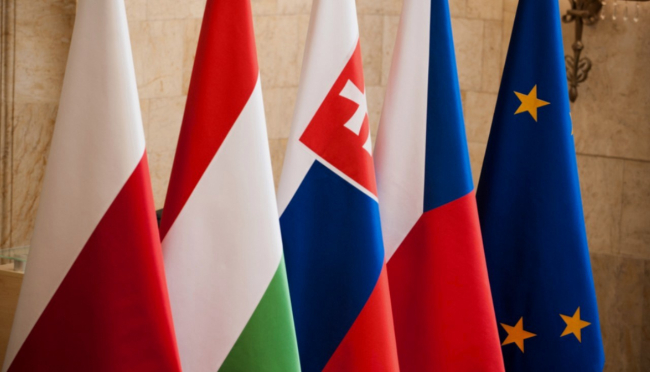
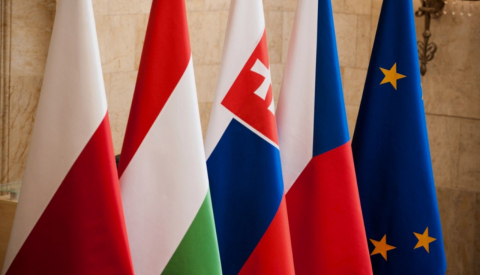
A New Moment for Central Europe? Regional Cooperation in a Time of European Strategic Choices
Recent political developments in Central Europe have revived the debate about the future of regional cooperation and the Visegrád Group. Changes in Hungary, Poland, the Czech Republic and Slovakia, together with Austria’s growing interest in closer cooperation with its neighbours, could create new opportunities for dialogue and coordination around shared priorities.
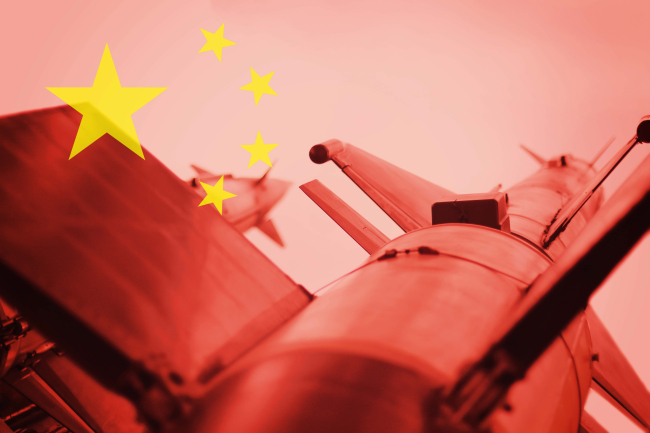
China’s Nuclear Buildup: Developments, Drivers, and Implications for Major-Power Relations and Arms Control
China has been steadily expanding its nuclear arsenal for several years amid levels of geopolitical tension unseen since the end of the Cold War, marked by a resurgence in nuclear proliferation and a broader, global arms race.

Reinventing Coordination in an Age of Fragmentation
The world economy is being reordered. The certainties of the post-Cold War era, open trade, dollar centrality, predictable multilateral coordination, are giving way to a landscape shaped by rivalry between the United States and China, the weaponization of interdependence, and a scramble to secure supply chains, technologies and critical resources. What once looked like a stable architecture now appears fragile, contested, and in places actively being dismantled.