





Practical information
With the participation of Laurence Tubiana and Nathalie Kosciusko-Morizet (availability permitting)
This seminar has as its research focus the implementation of global norms to protect the environment, and as its objective to outline, through the sharing of experience and best practices, the conditions for the success of such an endeavour.
Through the study of specific case studies, and the bringing together of academics, practitioners and politicians involved in the study or the implementation of environmental norms, the objective is to unpack the implementation process of environmental norms, and to elucidate how such norms can best serve the environmental objectives they were set to attain.
This seminar will also conclude the second year of study of the Health&Environment programme, dedicated to the study of international norms.
This seminar will be held entirely in English.
Contact: Amira Korkor - [email protected]
Other events

A New Moment for Central Europe? Regional Cooperation in a Time of European Strategic Choices
Recent political developments in Central Europe have revived the debate about the future of regional cooperation and the Visegrád Group. Changes in Hungary, Poland, the Czech Republic and Slovakia, together with Austria’s growing interest in closer cooperation with its neighbours, could create new opportunities for dialogue and coordination around shared priorities.
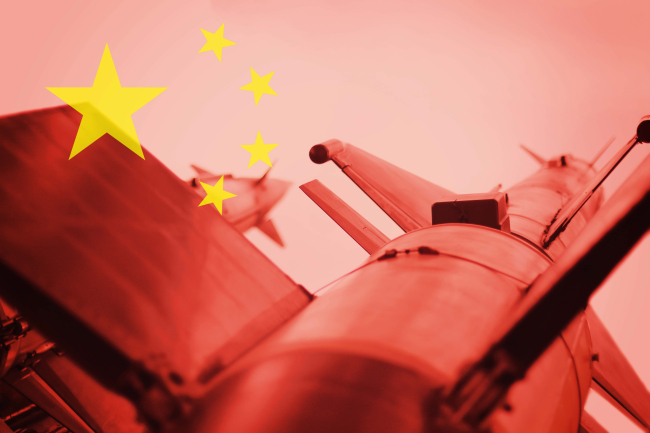
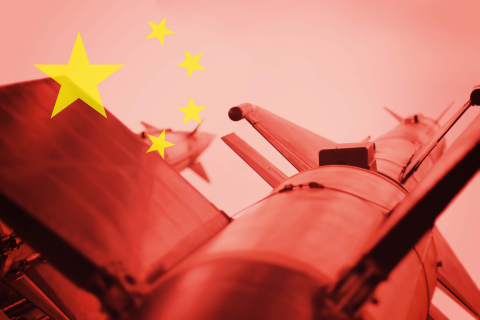
China’s Nuclear Buildup: Developments, Drivers, and Implications for Major-Power Relations and Arms Control
China has been steadily expanding its nuclear arsenal for several years amid levels of geopolitical tension unseen since the end of the Cold War, marked by a resurgence in nuclear proliferation and a broader, global arms race.

Reinventing Coordination in an Age of Fragmentation
The world economy is being reordered. The certainties of the post-Cold War era, open trade, dollar centrality, predictable multilateral coordination, are giving way to a landscape shaped by rivalry between the United States and China, the weaponization of interdependence, and a scramble to secure supply chains, technologies and critical resources. What once looked like a stable architecture now appears fragile, contested, and in places actively being dismantled.