
The New US Energy Policy: Energy Dominance or Fallback?
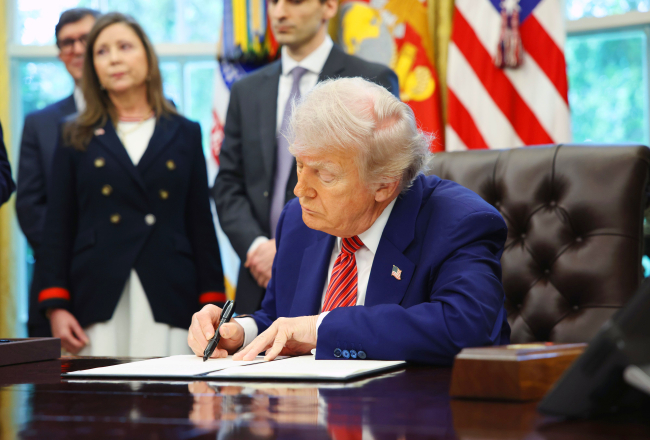
Since taking office, President Trump has defined and started to implement a new energy strategy for the United States (US), aimed at supporting fossil fuels, the nuclear industry, and the critical minerals sector.
The Strategic Repositioning of LNG: Implications for Key Trade Routes and Choke Points
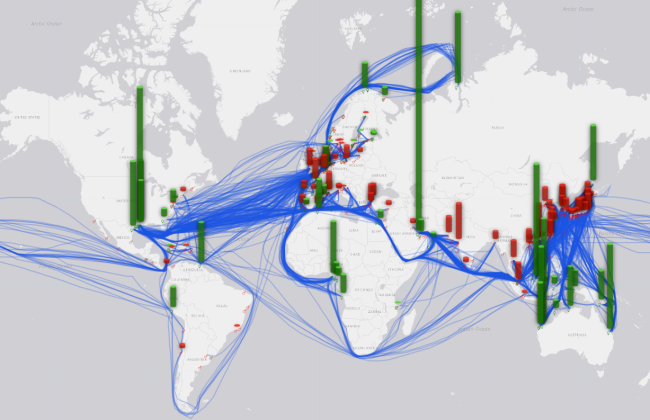
2022 saw the climax so far of the weaponization of energy. Following its geopolitical demise, Russia has undertaken its own gas amputation, moving from a super energy power status to a diminished role with uncertain prospects and only hard options left.
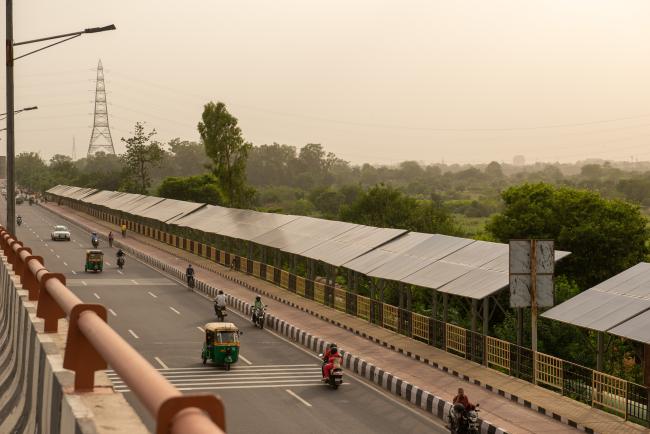
India’s Energy and Climate Policies Post COVID-19: Short Term Slowdown, Longer Term Boom in Renewables
India has long been a positive and committed partner in global and domestic climate change mitigation efforts.
A Review of Recent Trends in China’s Gas Sector and a Glimpse into the 14th Five-Year Plan
China’s economy has rebounded since April 2020 and China is one of the few countries in the world that is expected to avoid a recession in 2020. With low imported gas prices, progress with the gas market liberalization and success in pushing up shale gas production, the window of a golden age for gas has opened up again in China.
The Development of Hydrocarbons in East Africa: Political and Security Challenges
East Africa has the potential to experience a gas and liquefied natural gas (LNG) export boom in the coming years due to several projects that have been released.
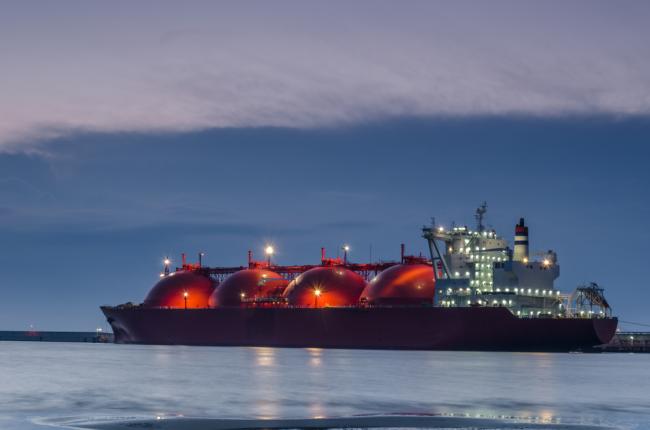
China’s Quest for Gas Supply Security: The Global Implications
The major transformations that are occurring on the Chinese gas market have profound repercussions on the global gas and LNG markets, especially on trade, investment and prices. In just two years, China has become the world’s first gas importer and is on track to become the largest importer of Liquefied natural gas (LNG).
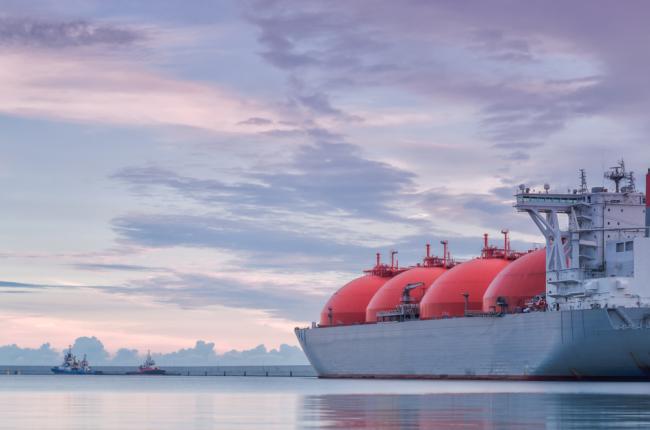
The Next Wave of Global LNG Investment Is Coming
With an annual growth of 10% in 2017 to 290 million tons (Mt) and 8.3% in the first half of 2018, Liquified Natural Gas (LNG) demand is rising faster than expected. Accounting for 44% of global demand growth in 2017, China is the main driver of the growth as the government has made natural gas a key policy choice to reduce air pollution and restructure its high-carbon energy mix.
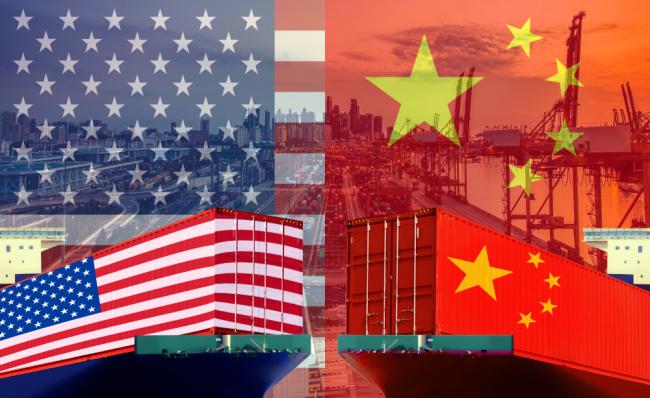
The Trump-led Trade War with China: Energy Dominance Self-destructed?
Under particular US legal rationale, such as calling foreign imports a “national security threat”, President Donald Trump has started imposing tariffs and/or quotas and has launched national security investigations on a growing number of imported goods from US allies and others alike.
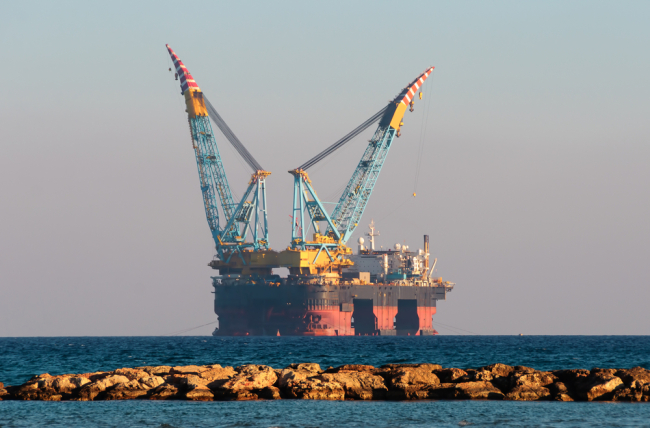
L’Égypte, nouvelle plateforme gazière en Méditerranée orientale
Recent offshore gas discoveries in the Eastern Mediterranean, primarily in Egypt as well as in Israel, but also around Cyprus, are dramatically changing these countries' energy perspectives and economies, and also influence geopolitical balances in the region.
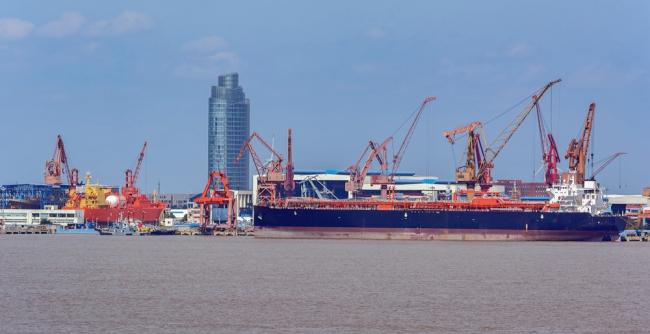
New and Emerging LNG Markets: The Demand Shock
Over the past decade, an increasing number of emerging markets has joined the liquefied natural gas (LNG) import club.
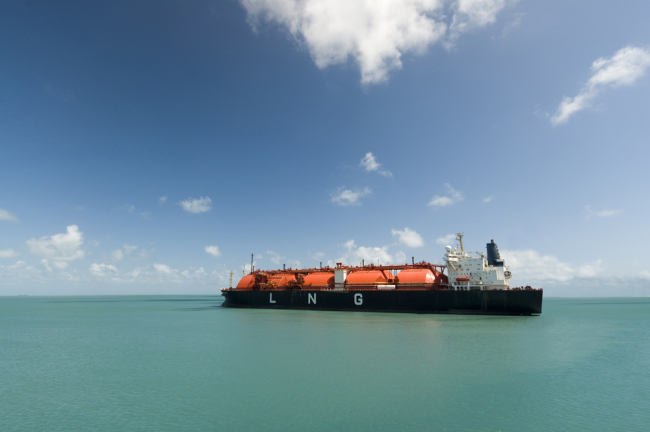
The US Natural Gas Exports : New Rules on the European Gas Landscape
This study addresses the consequences of US Liquefied Natural Gas (LNG) exports towards Europe, in particular on the strategy of Russia, the EU’s main gas supplier.
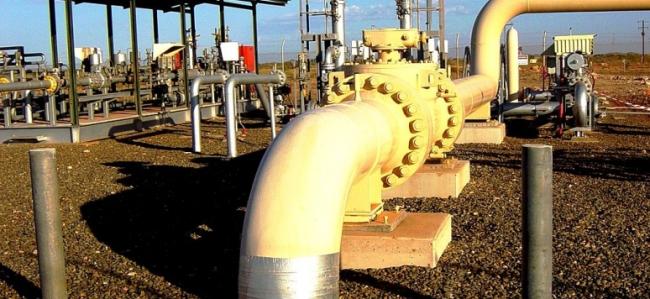
The European Gas Market Looking for its Golden Age?
The EU gas policy has to deal with a new landscape on the supply and demand sides. This study examines five major recent evolutions of the EU gas market: the relations with Russia, LNG coming back to Europe, the decrease of Groningen production, the contrasted evolutions of shale gas and the perspectives of EU natural gas demand.

The Trans-Saharan Gas Pipeline: An Illusion or a Real Prospect
8 % of worldwide gas reserves are located on the African continent. Its relative economic weakness and the almost total absence of gas networks leads to a very reduced interior consumption (almost nonexistent outside Algeria and Egypt) which permits an important export capacity of the continent’s gas. Linking Sub-Saharan-Africa and the European Union (EU) with a gas pipeline thus is a reasonable project in economic terms.
The New US Energy Policy: Energy Dominance or Fallback?
Since taking office, President Trump has defined and started to implement a new energy strategy for the United States (US), aimed at supporting fossil fuels, the nuclear industry, and the critical minerals sector.
The Strategic Repositioning of LNG: Implications for Key Trade Routes and Choke Points
2022 saw the climax so far of the weaponization of energy. Following its geopolitical demise, Russia has undertaken its own gas amputation, moving from a super energy power status to a diminished role with uncertain prospects and only hard options left.
China’s Quest for Gas Supply Security: The Global Implications
The major transformations that are occurring on the Chinese gas market have profound repercussions on the global gas and LNG markets, especially on trade, investment and prices. In just two years, China has become the world’s first gas importer and is on track to become the largest importer of Liquefied natural gas (LNG).
The Next Wave of Global LNG Investment Is Coming
With an annual growth of 10% in 2017 to 290 million tons (Mt) and 8.3% in the first half of 2018, Liquified Natural Gas (LNG) demand is rising faster than expected. Accounting for 44% of global demand growth in 2017, China is the main driver of the growth as the government has made natural gas a key policy choice to reduce air pollution and restructure its high-carbon energy mix.
Ifri, a foundation recognized as being of public utility, relies largely on private donors – companies and individuals – to guarantee its sustainability and intellectual independence. Through their funding, donors help maintain the Institute's position among the world's leading think tanks. By benefiting from an internationally recognized network and expertise, donors refine their understanding of geopolitical risk and its consequences on global politics and the economy. In 2026, Ifri partners with over 90 French and international companies and organizations.