




Practical information
A "Les Jeudis de l'Ifri" videoconférence around Tatiana KASTOUEVA-JEAN, Director of Ifri's Russia-NIS Center.

Vladimir Putin’s speech to the Federal Assembly on April 21 was meant to be peaceful: devoted primarily to domestic economic and social issues, it ignored the fate of opponent Alexey Navalny and Ukraine. While we are in a moment of "de-escalation", probably due both to the electoral context (parliamentary elections in September) and to the expectation of the bilateral summit with US President Joe Biden, the underlying trends remain unchanged. Internationally, Russia has shown that it remains the master of the clocks to raise or calm tensions and obtain diplomatic dividends. Domestically, the authoritarian line is hardening and the elimination of the last areas of freedom continues.
Chair : Thomas Gomart, director of Ifri.
This debate is for corporate members only. It will be conducted in French.
Speakers

Our team

Tatiana KASTOUÉVA-JEAN
Directrice du Centre Russie/Eurasie de l'Ifri

Find out more
Russia’s Niche Soft Power: Sources, Targets and Channels of Influence
This paper argues that Russia’s soft power should be understood as a niche soft power, microtargeting some specific audiences based on four particularisms:
The Outsider: Russia in the Race for Artificial Intelligence
When analyzing the global state of play around artificial intelligence (AI), Russia so far looks like an “outsider” compared to the two technological leaders, the United States and China.
One Year of Zelensky’s Presidency: One Step Forward, One Step Back
The election of Volodymyr Zelensky as president of Ukraine created very high expectations in the society.
Other events
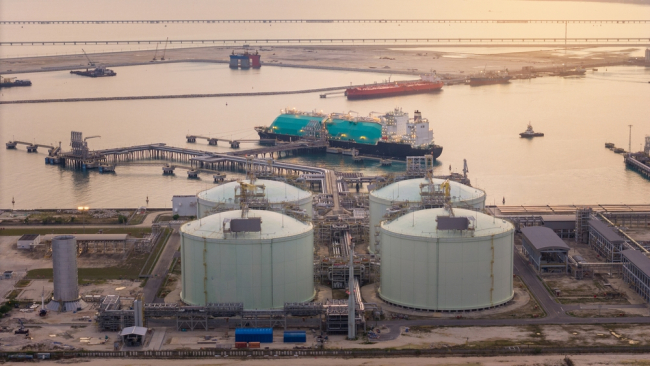
Europe Bracing for a Tough Winter: Prospects for Tighter Oil and Gas Markets
Summer witnessed a sharp escalation in the Russia-Europe confrontation, amidst continued partial closure of Hormuz and major extreme weather events. Oil and gas prices are high, and the price and supply outlooks for Europe this winter are very challenging for oil products, LNG and possibly, electricity markets which see growing contamination from the Hormuz crisis and growing risks of disbalances. Moreover, the phase-out of Russian gas supplies comes with renewed risks.
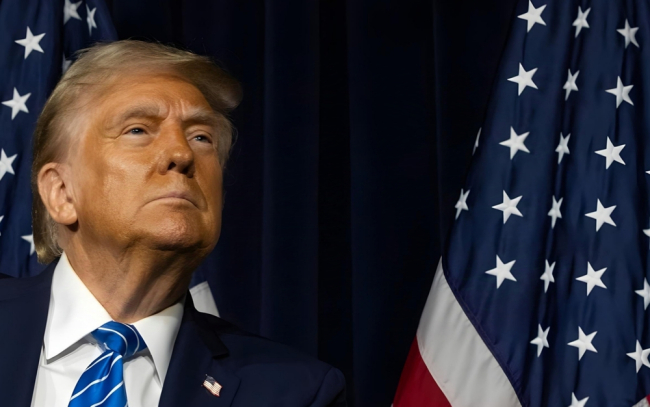
One Month Ahead of the Midterms: Where Is Trump’s America Headed?
The 24th edition of the Ifri Americas Programme Annual Conference will examine the dynamics at play in the United States and their implications for Europe and the transatlantic relationship. will examine the dynamics at play in the United States and their implications for Europe and the transatlantic relationship.
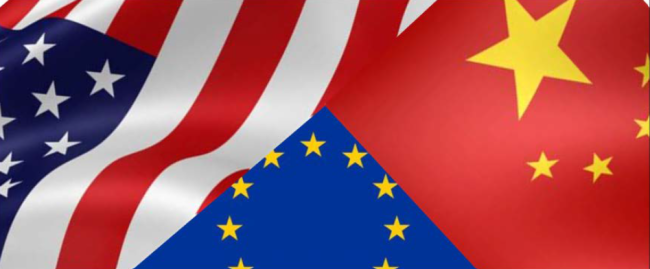
The EU in a World of Economic Warfare: Trade, Geopolitics, and the Battle for Economic Sovereignty
The international trading system has become a primary theatre of geopolitical competition. Tariffs, sanctions, and technology controls have replaced dialogue as the default instruments of economic relations.