


Brown Bag Seminar Series

Practical information
Themes and regions

Donald Trump’s announcement in January 2025 of his intention to seize Greenland has brought the Arctic back to the forefront of great power rivalries.
Donald Trump’s announcement in January 2025 of his intention to seize Greenland has brought the Arctic back to the forefront of great power rivalries. Against the backdrop of accelerating ice melt and Russia’s war in Ukraine, the "Far North" is experiencing increasing militarization, driven by competition over access to maritime routes and the securing of the region’s natural resources. While Russia is strengthening its military presence, NATO is adjusting its posture in Northern Europe, and China is asserting its ambitions as a "near-Arctic state."
How do we understand the geopolitical dynamics in the Arctic? What are the implications for regional stability and transatlantic balance?
For the second conference in its 2025 intelligence series, organized in partnership with the College of Intelligence in Europe, Ifri welcomes Nils-Andreas Stensønes, Director of the Norwegian Intelligence Service, who will analyze these developments and their strategic consequences.
Panelists:
Daphné Benoit, Head of international affairs, AFP
Marc Hecker, Deputy Director, Ifri
Chair:
Thomas Gomart, Director, Ifri
This event is public and will be held in English without translation under the Chatham House Rule.
Titre Edito
Watch Daphné Benoit's interview with Nils-Andreas Stensønes, Director of the Norwegian Intelligence Service
Watch Daphné Benoit's interview with Nils-Andreas Stensønes, Director of the Norwegian Intelligence Service
Related Subjects
Other events
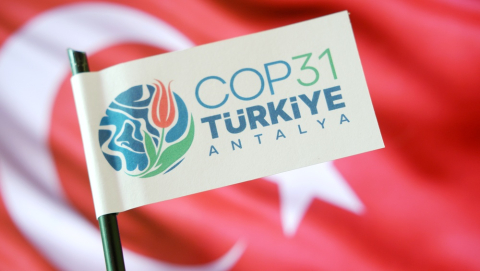
COP31 in Antalaya: State of the Global Climate Governance, Issues, Perspectives
COPs have become a year-end marathon to revigorate a world now entering the era of climate overshoot. While Türkiye exhibits the largest coal-fired power generation in OECD Europe, it has embraced the electrification agenda and aims at joining forces with Australia on fostering action and implementation. This is an unusual de facto co-presidency arrangement, but one that could yield promising results. This webinar will take stock of what climate governance has achieved and of the issues still to be negotiated, and explore what impetus this Turkish–Australian partnership could provide.
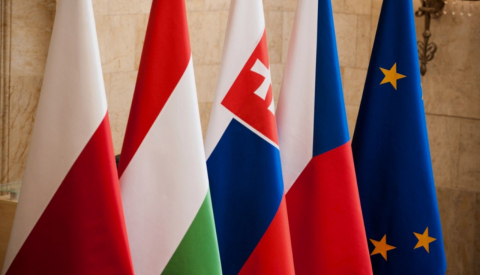
A New Moment for Central Europe? Regional Cooperation in a Time of European Strategic Choices
Recent political developments in Central Europe have revived the debate about the future of regional cooperation and the Visegrád Group. Changes in Hungary, Poland, the Czech Republic and Slovakia, together with Austria’s growing interest in closer cooperation with its neighbours, could create new opportunities for dialogue and coordination around shared priorities.