



War and Armed conflict
The geography and modalities of wars and armed conflicts are evolving in step with the international system. While irregular wars and asymmetrical conflicts persist, high-intensity wars are multiplying, while crises are taking on new forms as a result of hybrid threats.
Related Subjects
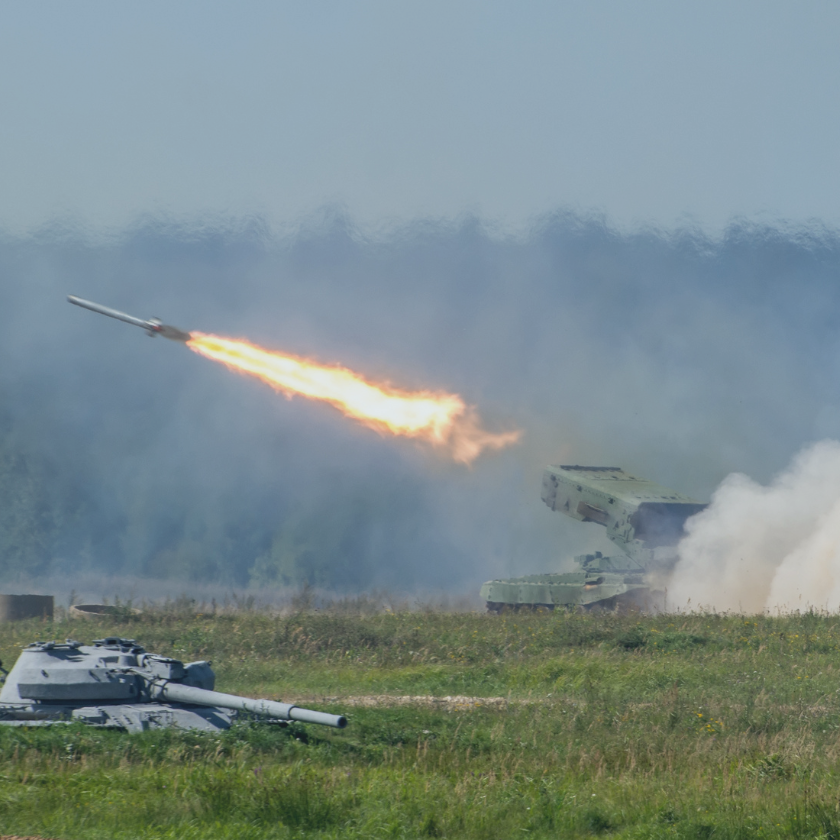
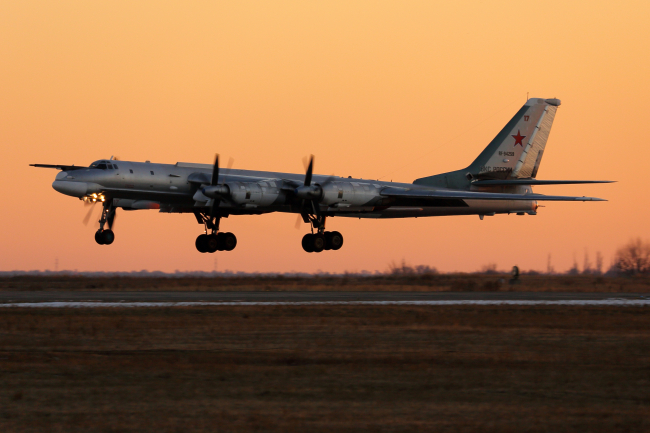
The Plight of Russia’s Air Power in the Ukraine War: Drone-Driven Innovations and Transformation of Traditional Air Force
Since the start of the Ukraine War, Russian strategic guidelines on the application of air power—seen as the decisive instrument for achieving success in modern wars—have proven to be outdated, irrelevant and even self-defeating.

Confronting Russia’s High-Velocity Arsenal: European Challenges and Solutions
Since February 2022, Russian missile and long-range drone strikes against Ukraine have served as near-daily reminders of what European states could face in a war with Russia. The same weapon systems battering Ukrainian infrastructure and population centers would be directed against European military and civilian targets in any confrontation between Russia and NATO. As Russian missile production expands and its arsenal diversifies, Europe must confront an uncomfortable question: how to deter, and if push comes to shove, fight Russia's long-range strike arsenal?
On (New) War
Are the new dynamics of power assertion, the redistribution of influence, and the emergence of new technologies changing both the place of war in the everyday life of our societies and the way war is waged when it occurs? Does the obsession with conflict, combined with technical efficiency, impose upon us a state of permanent latent war? And when weapons speak, does the involvement of modern technologies and the companies that produce them revolutionize both the political decision-making process and the way people are engaged in war? These are fundamental questions raised by the conflicts in Ukraine and the Middle East, and they are already shaping current thinking on military strategy and organization.
Does Artificial Intelligence Change the Nature of War?
From Gaza to Ukraine and Iran, current conflicts are being shaped by the arrival of artificial intelligence and robots on the battlefield. The changes under way are so profound that humans risk rapidly losing control over entire aspects of the conduct of military operations. While these technological developments are altering the character of war, their impact on the very nature of war itself remains a matter of debate.
Silicon Valley and War: Lessons from Ukraine
Over the course of international conflicts, and particularly in Ukraine, major tech companies have emerged as central actors. Initially subject to wartime maneuvering, they have since become decisive actors in their own right, privatizing a significant share of wartime exchanges, shaping the information flows of societies, and presenting themselves as providers of security. This situation raises important questions about states’ autonomy in making decisions and taking action.
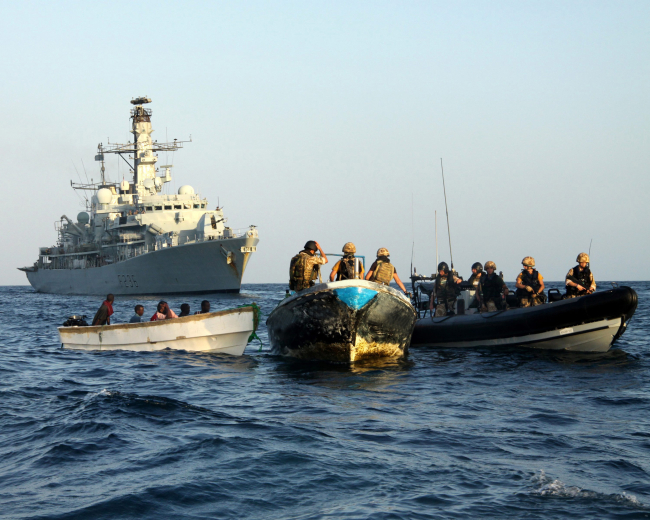
From Corsairs to Private Military Contractors. Nonmilitary Maritime Actors and the Historical Continuities of Naval Warfare
Since late 2023, several Houthi attacks on commercial shipping have involved privately contracted armed teams conducting defensive engagements and coordinating immediate response efforts, often in the relative absence of regular naval forces during the immediate hostilities at sea. These cases highlight a strategic tension that increasingly confronts modern navies. On the one hand, they are expected to conduct persistent, low-intensity maritime security tasks such as counterpiracy, maritime policing, and the protection of commercial shipping. On the other hand, they face renewed pressure to prepare for high-intensity conflict against peer and near-peer adversaries amid the return of great power competition.
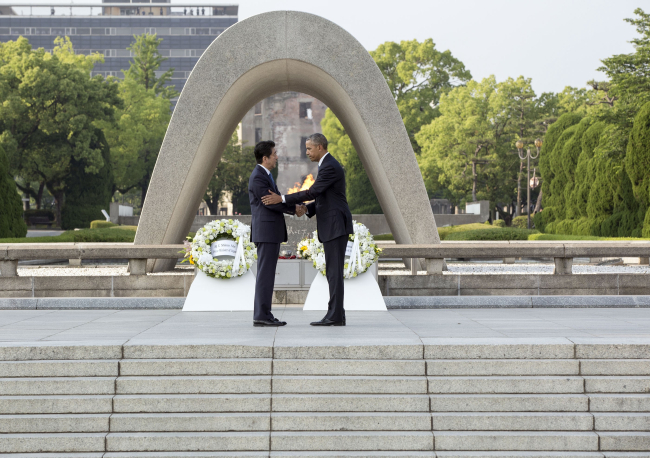
Japan and Nuclear Weapons: Between Extended Deterrence and Normative Dilemmas
Since the late 1950s, Japan’s nuclear weapons policy has been based on the coexistence of two competing normative rationales: the rejection of nuclear weapons, rooted in the legacy of Hiroshima and Nagasaki, and the recognition of the central role of US extended nuclear deterrence for Japan’s security.
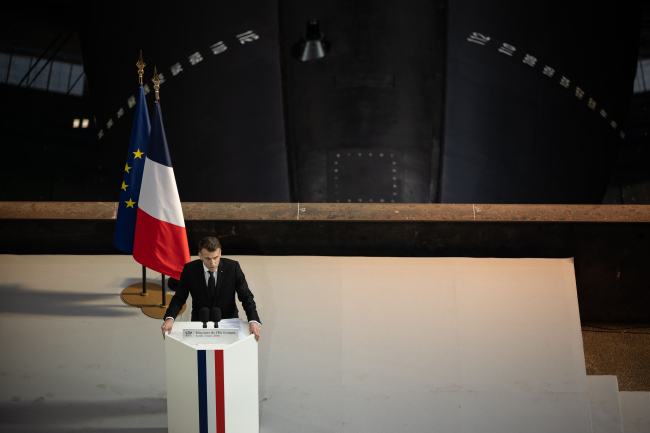
How does France’s nuclear deterrent contribute to the defense of Europe?
France’s nuclear deterrent, serving first and foremost to defend France’s vital interests, also contributes to the defense of Europe. This contribution has been recognized within the North Atlantic Alliance since 1974, but remains little known. In a speech closely followed by France’s European partners and its adversaries alike, President Emmanuel Macron announced a new concept for French nuclear deterrence: “forward deterrence” (dissuasion avancée). This article aims to explain the origins of this concept, outline its main pillars, and describe the partnerships that are sought. It then discusses the relationship with the U.S. doctrine of “extended deterrence”, and finally offers some ethical considerations.
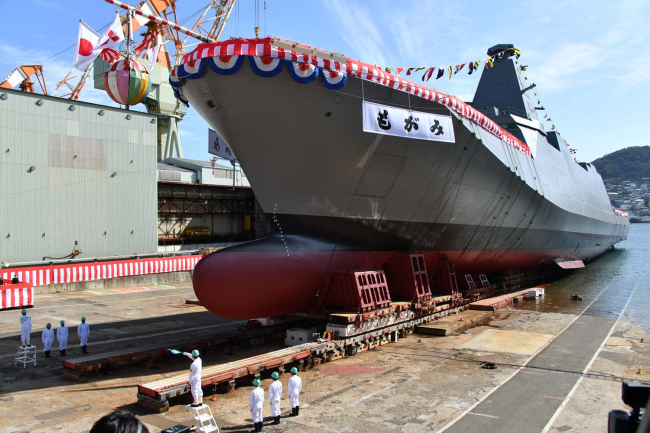
Japan’s Defense Industry Goes Global: Ambitions and Challenges

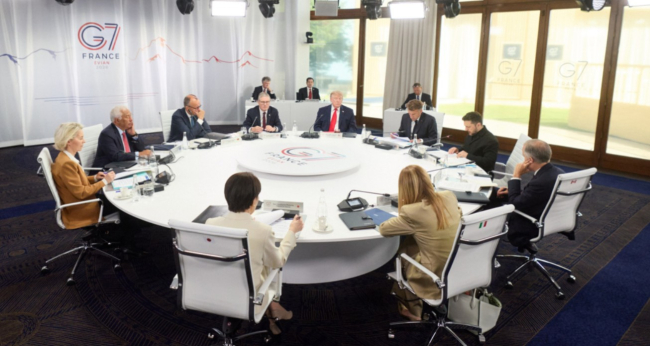
Can Global Governance Be Rebuilt? Japan's Role Seen Key
The Shared Future of Asia and Japan.
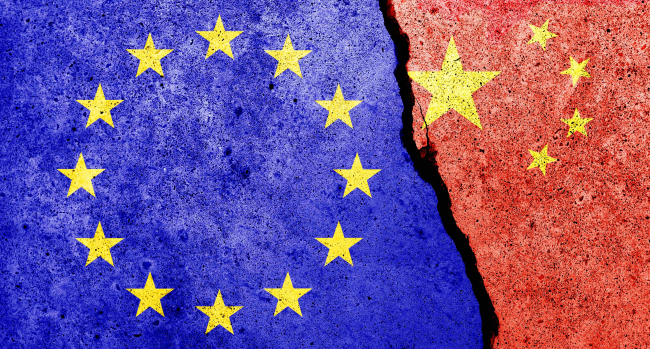
Fragmented Europe: Dealing with China as a technology and innovation power
How is Europe navigating China’s ascension as a technological power? The latest report by the European Think-tank Network on China (ETNC) provides a nuanced account of a converging, yet still fragmented approach across 22 countries.
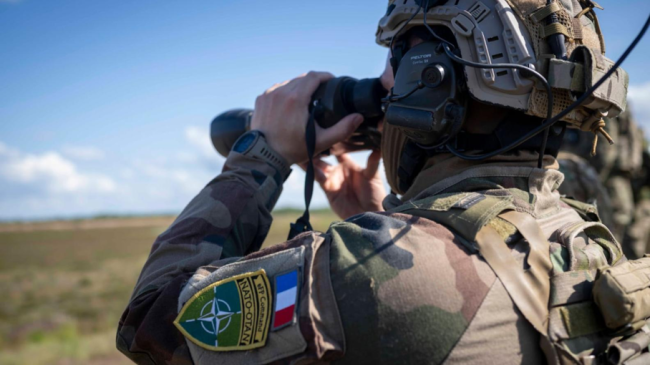
Framework Nation: A European Challenge and French Ambition
First appearing in the early 2000s, the framework nation concept follows several distinct rationales, whether it refers to a country assuming the leadership of a military operation, directing a multinational capability project, or commanding a permanent force structure. In every case, the country that takes on this role fully intends to derive from it additional politico-military influence.
The Crises Testing Arms Control
The arms control system built during and after the Cold War is under enormous stress and is fraying at the edges. It once enabled significant improvements in international security but is in danger of not withstanding the resurgence of tensions in recent years. Urgent action is now needed to prevent the proliferation of nuclear, chemical, and biological weapons, as well as cluster bombs and anti-personnel mines.
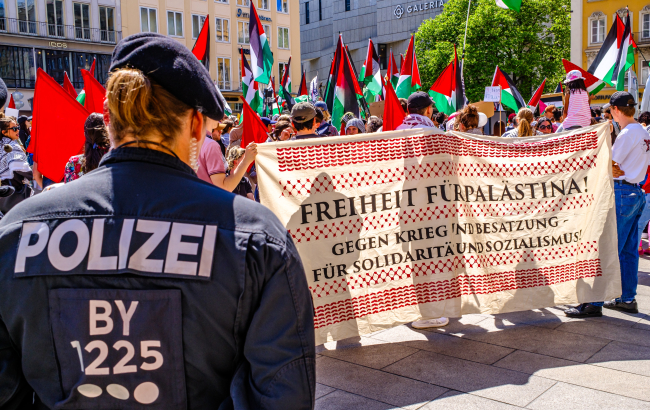
Overwhelmed: Germany’s Israel Policy after October 7th
Few countries have been as profoundly affected by the attacks of October 7th and the subsequent Gaza war as Germany. This is not merely a political controversy. It reflects a deeper structural problem: German-Israel policy has long rested on two guiding principles—a particular historical responsibility toward Israel derived from the Holocaust, and a firm commitment to universalist norms, above all international law and human rights.
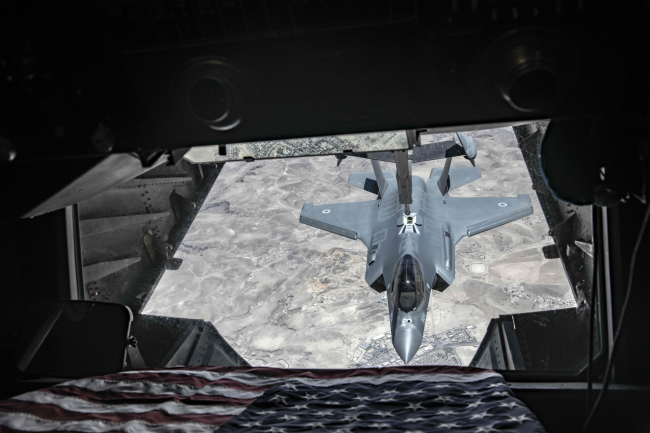
Fury from the Skies. A Strategic Analysis of Air Campaign against Iran
What is the outcome of Operations Roaring Lion (RL) and Epic Fury (EF), launched by Israel and the United States against the Islamic Republic of Iran on February 28, 2026?
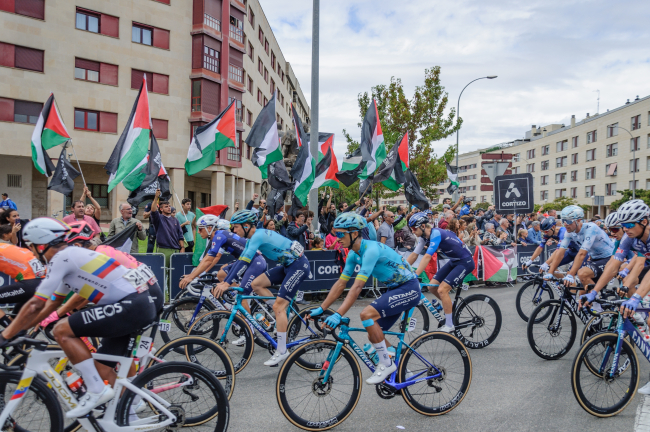
Escalation within Continuity: Spain’s Foreign Policy towards Israel and Palestine after October 7th
Over the past two years, Spain has emerged as one of the most vocal countries in supporting the Palestinian cause. While Madrid initially aligned with the prevailing European position, recognizing Israel’s right to self-defense after the 7 October attacks, it soon distinguished itself from most European Union (EU) Member States by questioning and later condemning Israel’s conduct of war in Gaza.

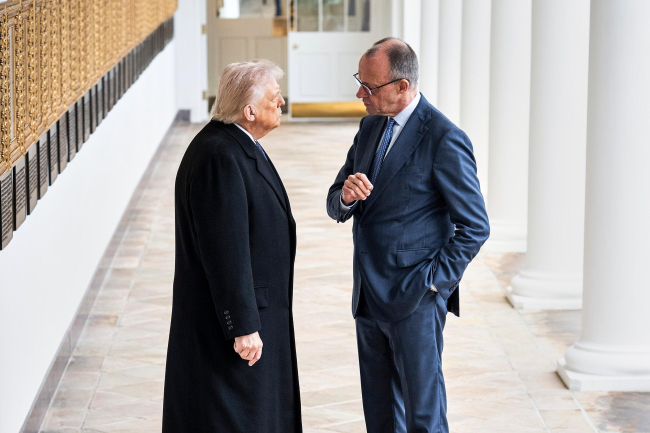
'With the withdrawal of US troops from Germany, Berlin is facing a historic dilemma'
Donald Trump's announcement of the withdrawal of US troops is forcing Berlin to confront the long-standing taboo on its own defense, explains Paul Maurice, a specialist in Franco-German relations at the Study Committee on Franco-German Relations (Cerfa) at French Institute of International Relations.
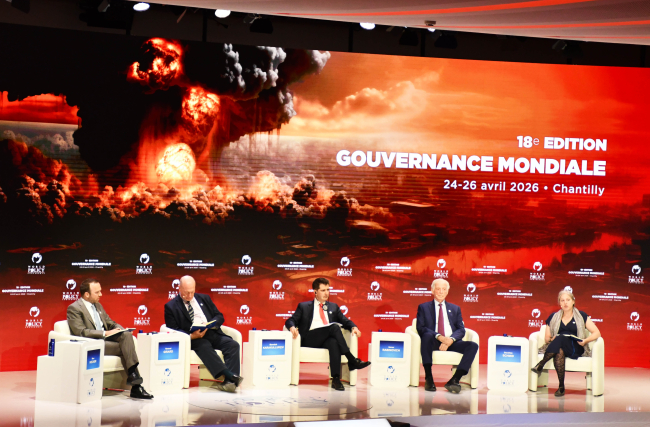
War in the Middle East: Regional Fractures, Global Shockwaves, and the End of the Old Order
Panel from the World Policy Conference 2026, organized by Thierry de Montbrial and Ifri, from April 24 to 26, 2026.
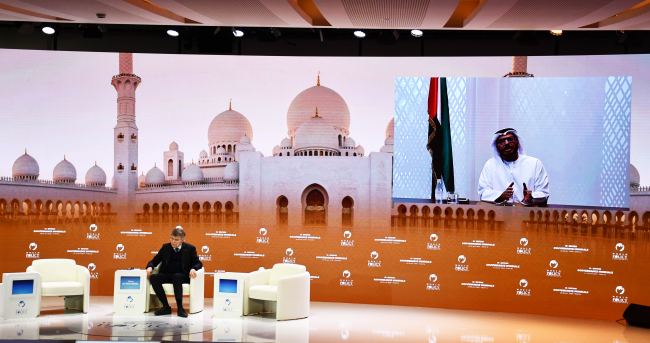
A conversation with Anwar Gargash, Diplomatic Advisor to the President of the United Arab Emirates
In an exceptional debate with Thierry de Montbrial, Anwar Gargash, Diplomatic Advisor to the President of the United Arab Emirates shares his perspective on the ongoing war with Iran in the Middle East.

Australia’s Recognition of Palestine: A Case of Supporting the Status Quo over Accountability
Hamas’s terrorist attacks against Israel on October 7, 2023, killed over a thousand Israelis, altering irrevocably the way the Palestinian/Israeli conflict is viewed internationally. Australia’s government professed profound shock and disgust at Hamas’s attacks, together with its unwavering diplomatic and political support for Israel. But as Israel’s response became more concerned with exacting revenge and as the pretext to fulfill long-held ideological dreams of a Greater Israel, support from Australia became more muted and conditional. This culminated in Australia joining Britain, France, and Canada in formally recognizing a Palestinian state at the United Nations General Assembly meeting in September 2025.
The Plight of Russia’s Air Power in the Ukraine War: Drone-Driven Innovations and Transformation of Traditional Air Force
Since the start of the Ukraine War, Russian strategic guidelines on the application of air power—seen as the decisive instrument for achieving success in modern wars—have proven to be outdated, irrelevant and even self-defeating.
Confronting Russia’s High-Velocity Arsenal: European Challenges and Solutions
Since February 2022, Russian missile and long-range drone strikes against Ukraine have served as near-daily reminders of what European states could face in a war with Russia. The same weapon systems battering Ukrainian infrastructure and population centers would be directed against European military and civilian targets in any confrontation between Russia and NATO. As Russian missile production expands and its arsenal diversifies, Europe must confront an uncomfortable question: how to deter, and if push comes to shove, fight Russia's long-range strike arsenal?
On (New) War
Are the new dynamics of power assertion, the redistribution of influence, and the emergence of new technologies changing both the place of war in the everyday life of our societies and the way war is waged when it occurs? Does the obsession with conflict, combined with technical efficiency, impose upon us a state of permanent latent war? And when weapons speak, does the involvement of modern technologies and the companies that produce them revolutionize both the political decision-making process and the way people are engaged in war? These are fundamental questions raised by the conflicts in Ukraine and the Middle East, and they are already shaping current thinking on military strategy and organization.
Does Artificial Intelligence Change the Nature of War?
From Gaza to Ukraine and Iran, current conflicts are being shaped by the arrival of artificial intelligence and robots on the battlefield. The changes under way are so profound that humans risk rapidly losing control over entire aspects of the conduct of military operations. While these technological developments are altering the character of war, their impact on the very nature of war itself remains a matter of debate.
Silicon Valley and War: Lessons from Ukraine
Over the course of international conflicts, and particularly in Ukraine, major tech companies have emerged as central actors. Initially subject to wartime maneuvering, they have since become decisive actors in their own right, privatizing a significant share of wartime exchanges, shaping the information flows of societies, and presenting themselves as providers of security. This situation raises important questions about states’ autonomy in making decisions and taking action.
From Corsairs to Private Military Contractors. Nonmilitary Maritime Actors and the Historical Continuities of Naval Warfare
Since late 2023, several Houthi attacks on commercial shipping have involved privately contracted armed teams conducting defensive engagements and coordinating immediate response efforts, often in the relative absence of regular naval forces during the immediate hostilities at sea. These cases highlight a strategic tension that increasingly confronts modern navies. On the one hand, they are expected to conduct persistent, low-intensity maritime security tasks such as counterpiracy, maritime policing, and the protection of commercial shipping. On the other hand, they face renewed pressure to prepare for high-intensity conflict against peer and near-peer adversaries amid the return of great power competition.
Japan and Nuclear Weapons: Between Extended Deterrence and Normative Dilemmas
Since the late 1950s, Japan’s nuclear weapons policy has been based on the coexistence of two competing normative rationales: the rejection of nuclear weapons, rooted in the legacy of Hiroshima and Nagasaki, and the recognition of the central role of US extended nuclear deterrence for Japan’s security.
How does France’s nuclear deterrent contribute to the defense of Europe?
France’s nuclear deterrent, serving first and foremost to defend France’s vital interests, also contributes to the defense of Europe. This contribution has been recognized within the North Atlantic Alliance since 1974, but remains little known. In a speech closely followed by France’s European partners and its adversaries alike, President Emmanuel Macron announced a new concept for French nuclear deterrence: “forward deterrence” (dissuasion avancée). This article aims to explain the origins of this concept, outline its main pillars, and describe the partnerships that are sought. It then discusses the relationship with the U.S. doctrine of “extended deterrence”, and finally offers some ethical considerations.
Japan’s Defense Industry Goes Global: Ambitions and Challenges
Fragmented Europe: Dealing with China as a technology and innovation power
How is Europe navigating China’s ascension as a technological power? The latest report by the European Think-tank Network on China (ETNC) provides a nuanced account of a converging, yet still fragmented approach across 22 countries.
Can Global Governance Be Rebuilt? Japan's Role Seen Key
The Shared Future of Asia and Japan.
'With the withdrawal of US troops from Germany, Berlin is facing a historic dilemma'
Donald Trump's announcement of the withdrawal of US troops is forcing Berlin to confront the long-standing taboo on its own defense, explains Paul Maurice, a specialist in Franco-German relations at the Study Committee on Franco-German Relations (Cerfa) at French Institute of International Relations.
War in the Middle East: Regional Fractures, Global Shockwaves, and the End of the Old Order
Panel from the World Policy Conference 2026, organized by Thierry de Montbrial and Ifri, from April 24 to 26, 2026.
A conversation with Anwar Gargash, Diplomatic Advisor to the President of the United Arab Emirates
In an exceptional debate with Thierry de Montbrial, Anwar Gargash, Diplomatic Advisor to the President of the United Arab Emirates shares his perspective on the ongoing war with Iran in the Middle East.

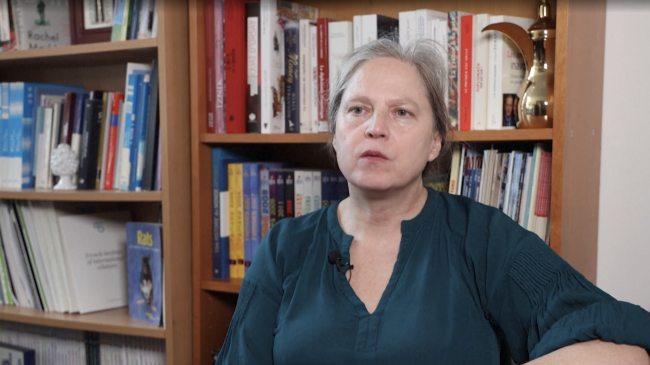
US hosts rare Israel-Lebanon talks, progress unclear
Israel and Lebanon agreed to direct negotiations following talks in Washington on Tuesday.
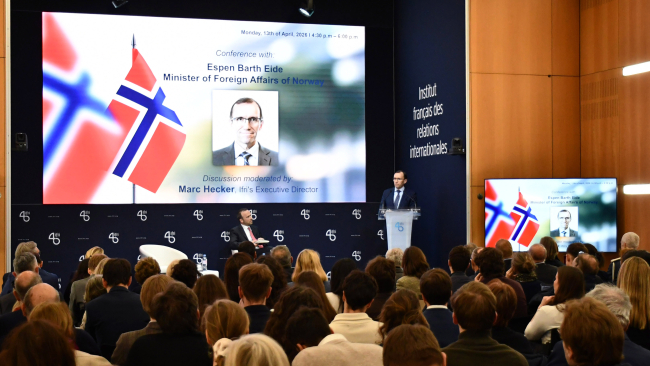
Replay - Conference with Espen Barth Eide, Minister of Foreign Affairs of Norway
Since the invasion of Ukraine by Russia in 2022, Norway has become the European Union’s leading supplier of gas. This position could be further strengthened given the ongoing war in the Middle East.

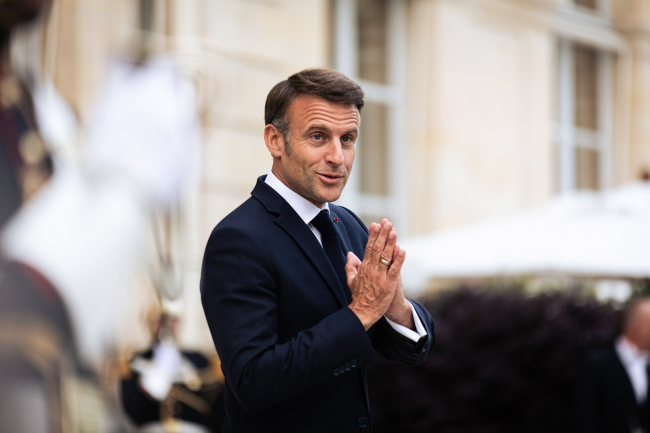
Japan seeks French backing as Macron begins Asia trip in Iran war’s shadow
Emmanuel Macron touched down in Tokyo on Tuesday with a packed agenda and a receptive audience in a Japanese government anxious about a choked oil route and looking for support amid its diplomatic falling-out with Beijing.

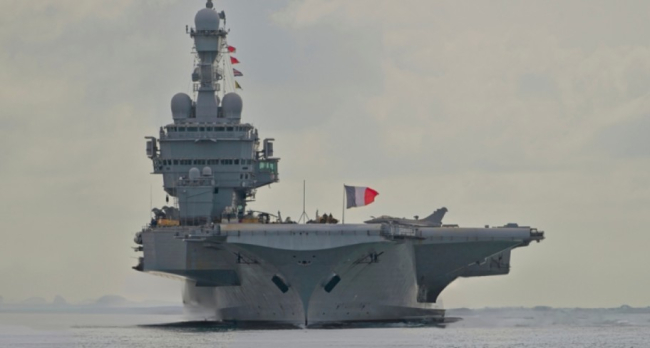
War in Mideast Tests Europe’s Military Might. The Verdict? Mixed.
To defend allies from Iran, the continent’s powers have mounted a rare show of force. But those efforts have diverted limited resources from other hot spots. Despite refusing to join the attacks on Iran, Europe’s leaders have responded to the widening war in the Middle East by sending warships, fighter jets and air-defense systems to protect bases and allies in the region.
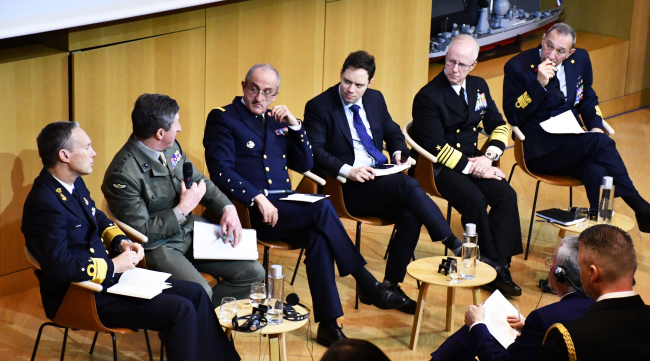
Build and Maintain Air-Sea Superiority in a Contested Operational Environment – CNP 26
An exceptional opening roundtable at the 2026 Paris Naval Conference, bringing together the Chiefs of Naval Staff of the French, U.S., British, Italian and Dutch navies.
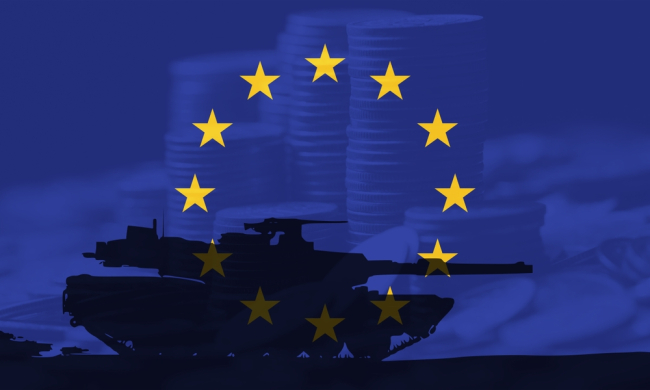
'Russia holds a decisive edge in terms of manpower, firepower and mobilization capacity'
Three researchers at the French Institute of International Relations, Dimitri Minic, Tatiana Kastouéva-Jean and Paul Maurice, are urging Europe to intensify its power dynamic with Moscow. The French Institute of International Relations (IFRI) published a report on Tuesday, November 4, that highlights Europe's vulnerabilities in the event of a high-intensity conflict with Russia.
War in the Middle East: Regional Fractures, Global Shockwaves, and the End of the Old Order
Panel from the World Policy Conference 2026, organized by Thierry de Montbrial and Ifri, from April 24 to 26, 2026.
A conversation with Anwar Gargash, Diplomatic Advisor to the President of the United Arab Emirates
In an exceptional debate with Thierry de Montbrial, Anwar Gargash, Diplomatic Advisor to the President of the United Arab Emirates shares his perspective on the ongoing war with Iran in the Middle East.
US hosts rare Israel-Lebanon talks, progress unclear
Israel and Lebanon agreed to direct negotiations following talks in Washington on Tuesday.
Replay - Conference with Espen Barth Eide, Minister of Foreign Affairs of Norway
Since the invasion of Ukraine by Russia in 2022, Norway has become the European Union’s leading supplier of gas. This position could be further strengthened given the ongoing war in the Middle East.
Build and Maintain Air-Sea Superiority in a Contested Operational Environment – CNP 26
An exceptional opening roundtable at the 2026 Paris Naval Conference, bringing together the Chiefs of Naval Staff of the French, U.S., British, Italian and Dutch navies.
Replay - Navigating the Taiwan Strait Tensions: Perspectives from Japan, the Philippines, and France
Conference Replay - As tensions continue to rise in the Taiwan Strait and discussions grow about hybrid frictions potentially escalating into a kinetic conflict in the coming years, neighboring countries are bracing for impact. Japan and the Philippines would be on the front lines if a crisis were to erupt in the Taiwan Strait.
Replay - Conference with Badr Abdelatty, Minister of Foreign Affairs of Egypt
Invited to Ifri on October 2, 2025, Egypt’s Minister of Foreign Affairs, Badr Abdelatty, highlighted Egypt’s doctrine of “strategic balance,” which is based on non-alignment and non-interference, while maintaining strong relations with major global powers such as the United States, Russia, and China.

The European Pillar of Security
Leo Litra and Lesia Ogryzko are joined by Élie Tenenbaum and Oleksandr Sushko to discuss June’s NATO summit—and what Europe’s security step up means for Ukraine.

France, Turkey, and Shifting Balance - Léo Péria-Peigné
The interview explores France’s withdrawal from Africa, its strategic pivot to NATO’s eastern flank, and the complex dynamics with Turkey. It also touches on Europe’s military dilemmas, the growing strength of Turkey’s defense industry, and the limits of French influence in the Middle East. A clear-eyed look at where Europe stands—and where it may be heading.
Arctic: A New Era of Geopolitical Tensions? The Alert from the Norwegian Intelligence Director
An interview with Nils-Andreas Stensønes, Director of the Norwegian Intelligence Service, conducted by Daphné Benoit, Head of international affairs, AFP, on the occasion of Ifri's conference "New geopolitical realities of the Arctic", 19 March 2025.
War and Peace in the Middle East: What Role for the Europeans? (World Policy Conference 2024)
Saturday, December 14, 2024 - 17th edition of the World Policy Conference in Abu Dhabi, United Arab Emirates. Plenary session 19: War and Peace in the Middle East: What Role for the Europeans?
NATO: 75 Years of Strategic Solidarity (replay)
The war in Ukraine, burden-sharing between Allies, U.S. disengagement from Europe, new areas of conflict... At a time when the Alliance has just celebrated its 75th anniversary and the Stoltenberg era is drawing to a close after ten years at the head of the organization, NATO's agenda bears witness to the diversity of its areas of action, as well as to the different perceptions of the Allies on these issues.
In the wake of the Washington summit, this conference of diplomats, military officers and researchers aims to analyze the short- and medium-term prospects for the Atlantic Alliance.
Siloviki: What Influence on Russia's Domestic and Foreign Policy?
3 questions to Mark GALEOTTI, Senior Researcher at the Institute of International Relations Prague, Director of Mayak Intelligence consultancy.
What evolution of US-Russia relationship after Trump’s election? An American point of view
3 questions to Stephen SZABO, Executive Director, Transatlantic Academy.
What evolution of US-Russia relationship after Trump’s election? A Russian point of view
3 questions to Andrey KORTUNOV, Director General of the Russian International Affairs Council (RIAC).
Ifri, a foundation recognized as being of public utility, relies largely on private donors – companies and individuals – to guarantee its sustainability and intellectual independence. Through their funding, donors help maintain the Institute's position among the world's leading think tanks. By benefiting from an internationally recognized network and expertise, donors refine their understanding of geopolitical risk and its consequences on global politics and the economy. In 2026, Ifri partners with over 90 French and international companies and organizations.
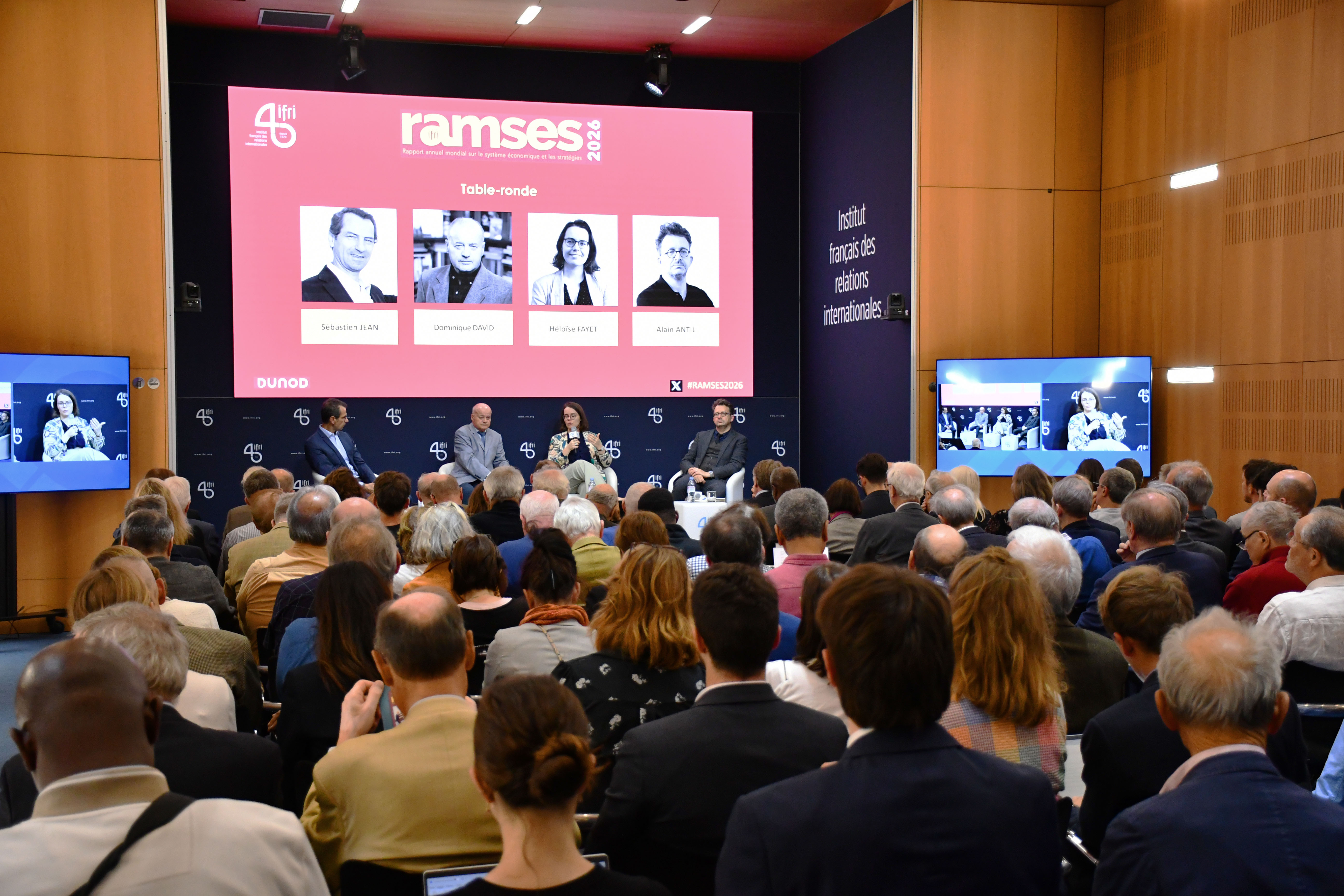

It’s difficult to assess the consequences of the strikes on the nuclear program itself and the facilities, as we are still waiting for independent analyses of the satellite imagery.

quoted in the Bulletin of the Atomic Scientists