




Practical information
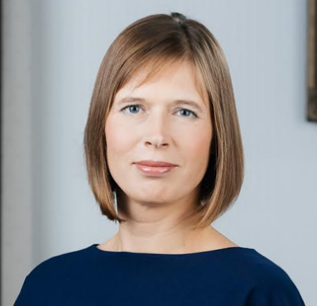
Closed-door Seminar with Her Excellency Kersti KALJULAID, President of the Republic of Estonia.
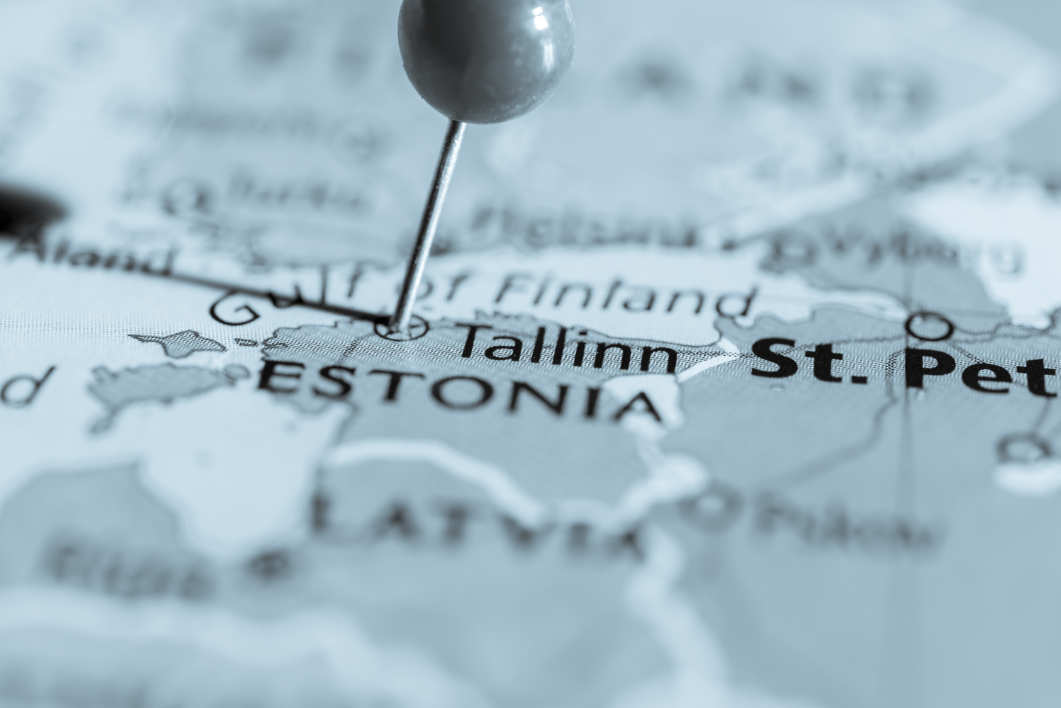
Kersti Kaljulaid was elected President of the Republic of Estonia on October 3, 2016 after holding different positions within the European Court of Auditors from 2004 to 2016.
From 1994 to 1999, she worked in various Estonian companies: first, as the sales manager of telephone switchboards in Eesti Telefon, later in Hoiupank Markets and Hansapank Markets and as an Associate in investment banking.
From 1999 to 2002, Kersti Kaljulaid was Prime Minister Mart Laar's Economic Advisor. Her duties included organisation of cooperation of the Office of the Prime Minister with Estonian central bank, the Ministry of Finance and ministries that had larger budgets, as well as coordination of relations with the International Monetary Fund and other financial institutions (European Bank for Reconstruction and Development, Nordic Investment Bank and World Bank). She participated in preparing the pension reform together with the Minister of Finance and the Minister of Social Affairs and advised the Prime Minister in annual budget negotiations held with other ministers.
From 2002 to 2004, Kersti Kaljulaid was the CFO and CEO of the Iru Power Plant of state-owned energy company Eesti Energia.
By invitation only
Related Subjects
Other events
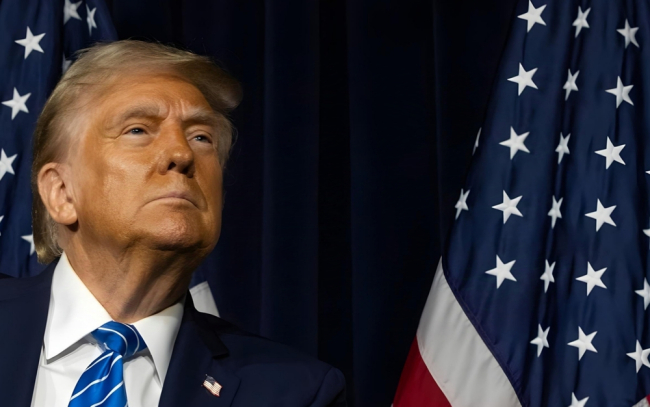
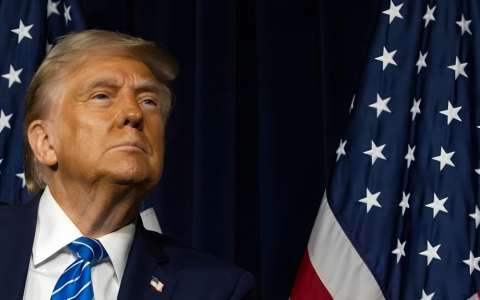
One Month Ahead of the Midterms: Where Is Trump’s America Headed?
The 24th edition of the Ifri Americas Programme Annual Conference will examine the dynamics at play in the United States and their implications for Europe and the transatlantic relationship. will examine the dynamics at play in the United States and their implications for Europe and the transatlantic relationship.
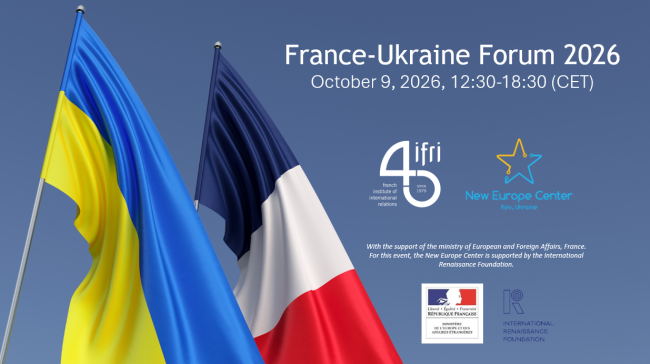
France-Ukraine Forum 2026
More than four and a half years after the start of the full-scale war launched by Russia against Ukraine, the 2026 France-Ukraine Forum will bring together policymakers, experts, academics, and civil society representatives from both countries to discuss three main topics: the formats and conditions for a lasting diplomatic settlement; Ukraine’s Euro-Atlantic integration, encompassing both the EU accession process and closer ties with NATO; and the societal transformations of postwar Ukraine, as well as its prospects for reconstruction.
The EU in a World of Economic Warfare: Trade, Geopolitics, and the Battle for Economic Sovereignty
The international trading system has become a primary theatre of geopolitical competition. Tariffs, sanctions, and technology controls have replaced dialogue as the default instruments of economic relations.