



Practical information
9:00-10:45 FOREIGN POLICY: FROM BAD TO WORSE
What should the United States do to lead in a World gone mad? Can the present administration still achieve significant goals?
Fawaz GERGES, Professor of International Relations at the London School of Economics (LSE)
U.S. foreign policy and the Middle East turmoil
Jeffrey MANKOFF, Fellow and Deputy Director, Russia & Eurasia Program, Center for Strategic and International Studies (CSIS)
U.S. foreign policy and the Ukrainian turmoil
Frédérick DOUZET, Professor at the Institut Français de Géopolitique (Université Paris 8) How does cyberpower contribute to U.S. power?
Moderator: Jim BITTERMANN, Senior European Correspondent, CNN
11:15-13:00 THE UNITED STATES AND INTERNATIONAL TRADE
Will the next generation trade agreements such as TTIP and TPP contribute to America’s enduring role as the World’s major exporter and importer ?
Elvire FABRY, Senior Research Fellow, Notre Europe
Europe discusses the TTIP project
Françoise NICOLAS, Head of the Asia program, Ifri
Asian & Pacific countries discuss the TPP project
Ambassador (ret.) Shaun DONNELLY, Vice President, Investment and Financial Services, Council for International Business (USCIB)
The future of U.S. trade: perspectives from Washington
Moderator: Anne-Lorraine BUJON, Editorial Director, Institut des Hautes Etudes sur la Justice (IHEJ)
15:00-17:00 AFTER THE MIDTERMS, THE PRESIDENTIAL RACE BEGINS
How should the results of the November elections be understood? What leverage does President Obama retain for the last two years of his Presidency? Who are the most obvious candidates and the main issues in the upcoming 2016 election?
Charlie COOK, Editor and Publisher, The Cook Political Report
Analyszing the November vote
E.J. DIONNE, Columnist, The Washington Post
Who are the candidates for 2016?
Moderator: Laurence NARDON, Head of the U.S. Program, Ifri
LES INSCRIPTIONS SE FONT PAR PANEL, AUPRES DE LEO TESTE ([email protected])
Discussions will be held in English or French with a translation from French to English only
Other events
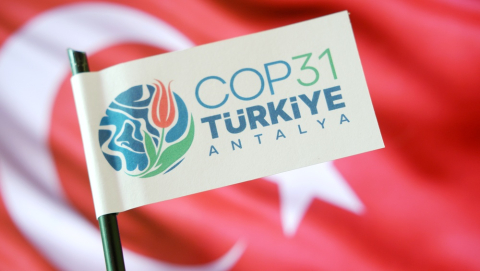
COP31 in Antalaya: State of the Global Climate Governance, Issues, Perspectives
COPs have become a year-end marathon to revigorate a world now entering the era of climate overshoot. While Türkiye exhibits the largest coal-fired power generation in OECD Europe, it has embraced the electrification agenda and aims at joining forces with Australia on fostering action and implementation. This is an unusual de facto co-presidency arrangement, but one that could yield promising results. This webinar will take stock of what climate governance has achieved and of the issues still to be negotiated, and explore what impetus this Turkish–Australian partnership could provide.
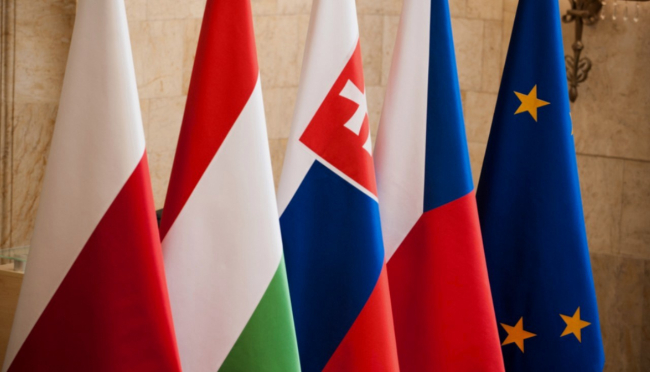
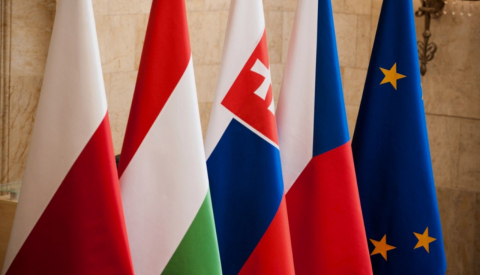
A New Moment for Central Europe? Regional Cooperation in a Time of European Strategic Choices
Recent political developments in Central Europe have revived the debate about the future of regional cooperation and the Visegrád Group. Changes in Hungary, Poland, the Czech Republic and Slovakia, together with Austria’s growing interest in closer cooperation with its neighbours, could create new opportunities for dialogue and coordination around shared priorities.
China’s Nuclear Buildup: Developments, Drivers, and Implications for Major-Power Relations and Arms Control
China has been steadily expanding its nuclear arsenal for several years amid levels of geopolitical tension unseen since the end of the Cold War, marked by a resurgence in nuclear proliferation and a broader, global arms race.