




Practical information
"The Obama Presidency - Year 3: Gridlock or Opportunity? "
One year before the 2012 presidential elections, both the Republicans and Democrats have begun to fall into line. The American electorate appears to have changed considerably since 2008 as a result of the economic crisis. The Tea Party continues fight for the soul of the Republican Party. The primaries will therefore determine if there is still room for moderates. On the other side, Obama must win back the far-left and campaign in an unfavorable economic context.
Joined by : Don Rose, Political Consultant, Don Rose Communication, regular contributor to the Chicago Daily Observer, Philippe Gelie, International Editor and Chief of Le Figaro, Anne-Lorraine Bujon de l'Estang, Program Director l'Institut des hautes études juridiques (IHEJ), associated researcher at l'Ifri.
Facilitator: Christophe Guillemin, Executive Director of the French American Foundation France.
Don Rose's talk on DailyMotion : http://www.dailymotion.com/video/xld5vk_obama-2012-three-paths-to-victory-one-path-to-defeat_news#rel-page-under-1
In partnership with the French American Foundation and the United States Embassy in Paris
(The seminar will take place in English without translation.)
Other events
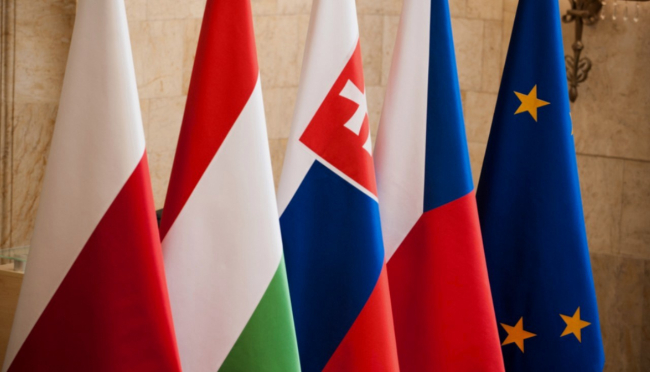
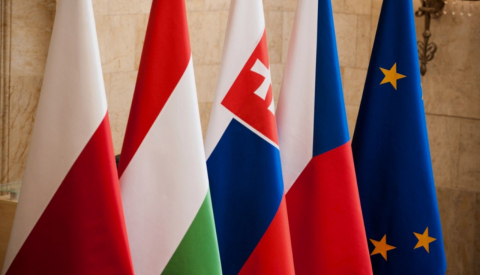
A New Moment for Central Europe? Regional Cooperation in a Time of European Strategic Choices
Recent political developments in Central Europe have revived the debate about the future of regional cooperation and the Visegrád Group. Changes in Hungary, Poland, the Czech Republic and Slovakia, together with Austria’s growing interest in closer cooperation with its neighbours, could create new opportunities for dialogue and coordination around shared priorities.
China’s Nuclear Buildup: Developments, Drivers, and Implications for Major-Power Relations and Arms Control
China has been steadily expanding its nuclear arsenal for several years amid levels of geopolitical tension unseen since the end of the Cold War, marked by a resurgence in nuclear proliferation and a broader, global arms race.

Reinventing Coordination in an Age of Fragmentation
The world economy is being reordered. The certainties of the post-Cold War era, open trade, dollar centrality, predictable multilateral coordination, are giving way to a landscape shaped by rivalry between the United States and China, the weaponization of interdependence, and a scramble to secure supply chains, technologies and critical resources. What once looked like a stable architecture now appears fragile, contested, and in places actively being dismantled.