





Najib Razak’s Malaysia: A solid economy on a foundation of political tension
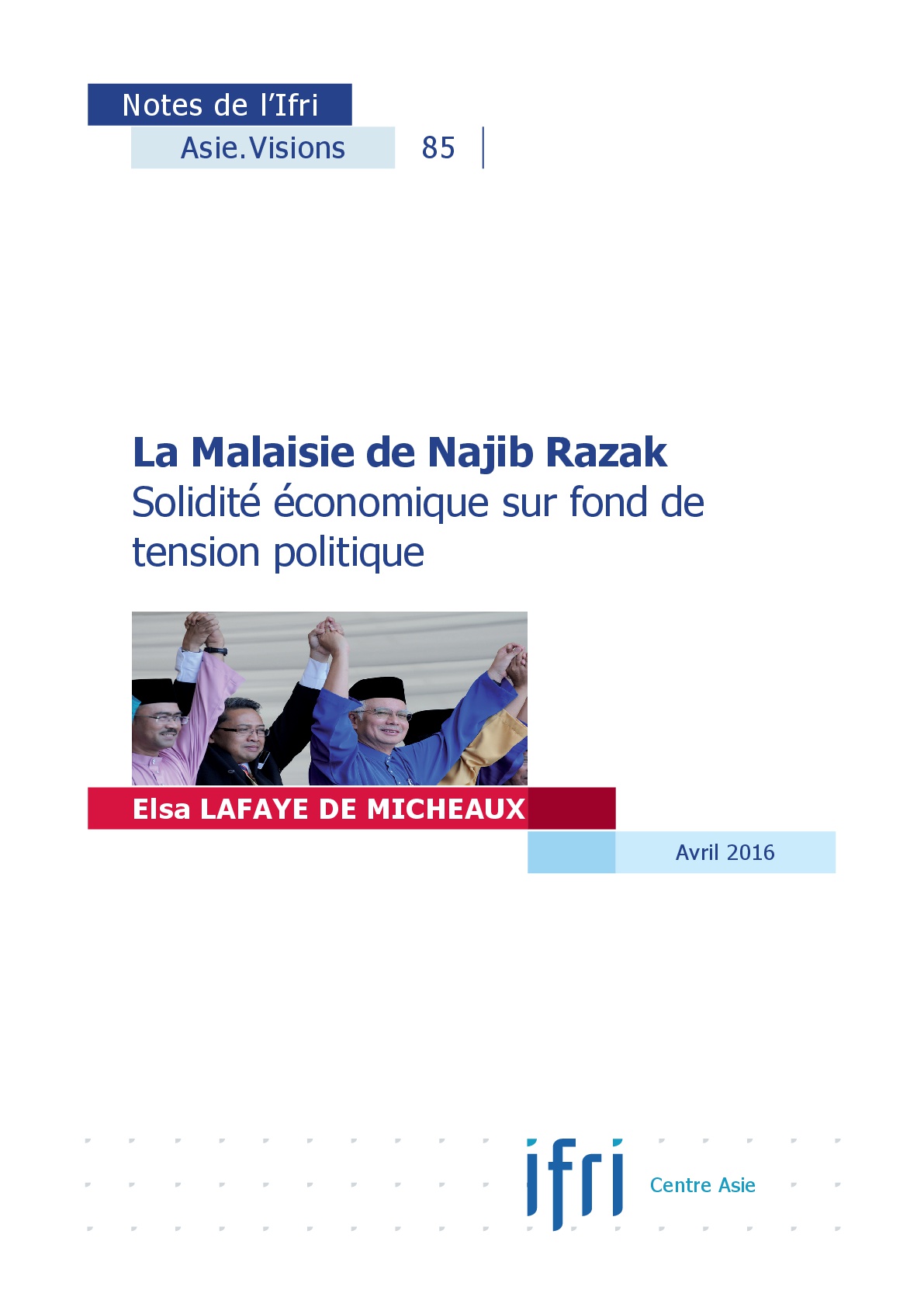
Najib Razak began his term as Prime Minister of Malaysia in 2009 amidst a severe global economic crisis, concern over spiraling public debt and fears the country would fall into the ominous “middle income trap”.
Uncertainties abounded over the direction of the national economy, and in particular its capacity to face challenges associated with a significant opening-up and the strong power of the state, which itself was highly dependent on oil rents. But thanks to China, which has become Malaysia’s first trading partner, growth rebounded in 2010.
Accompanying the launch of the tenth five year plan, the government introduced a new economic model from 2011 and embarked upon a set of economic and bureaucratic reforms (Economic Transformation Program 2011-2020) in order to bring Malaysia up to the rank a fully developed country by 2020. Najib Razak also announced the implementation of a post-racial social policy (1Malaysia) and important reforms in the field of freedoms and fundamental rights.
But 2013 marked a turning point in the field of human rights, democracy and national harmony in this multi-ethnic and multi-religious country with a Muslim majority. Following the thirteenth general elections, the Barisan National coalition dominated by Najib’s Malay party (United Malaysian National Organization - UMNO) managed to hold on to power thanks to an ultra-favorable mapping of electoral districts, while the opposition won 51 % of the popular vote. In this tense political context, structural reforms would be pursued, leading to an economic consolidation and a rebalancing in terms of partners, industrial sectors, investments and role of domestic demand compared to external demand. However, political and democratic opening would be stopped. The financial scandal 1MDB, revealed on the international scene by the Wall Street Journal in the summer of 2015, led Najib Razak to harden his stance and pursue unprecedented political tightening in order to reassert his authority. If the national economy seems to be put on the right track and able to withstand to the drop in the oil prices and to the Chinese economic slowdown, parliamentary democracy and the political and social climate have been considerably degraded compared to the term of Najib’s predecessor, Abdullah Badawi.

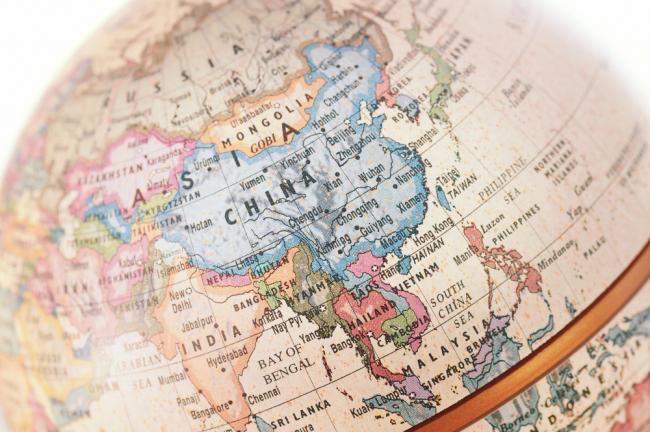
Center for Asian Studies
Asia is a nerve center for multiple global economic, political and security challenges. The Center for Asian Studies provides documented expertise and a platform for discussion on Asian issues to accompany decision makers and explain and contextualize developments in the region for the sake of a larger public dialogue.
The Center's research is organized along two major axes: relations between Asia's major powers and the rest of the world; and internal economic and social dynamics of Asian countries. The Center's research focuses primarily on China, Japan, India, Taiwan and the Indo-Pacific, but also covers Southeast Asia, the Korean peninsula and the Pacific Islands.
The Centre for Asian Studies maintains close institutional links with counterpart research institutes in Europe and Asia, and its researchers regularly carry out fieldwork in the region.
The Center organizes closed-door roundtables, expert-level seminars and a number of public events, including an Annual Conference, that welcome experts from Asia, Europe and the United States. The work of Center’s researchers, as well as that of their partners, is regularly published in the Center’s electronic journal Asie.Visions.
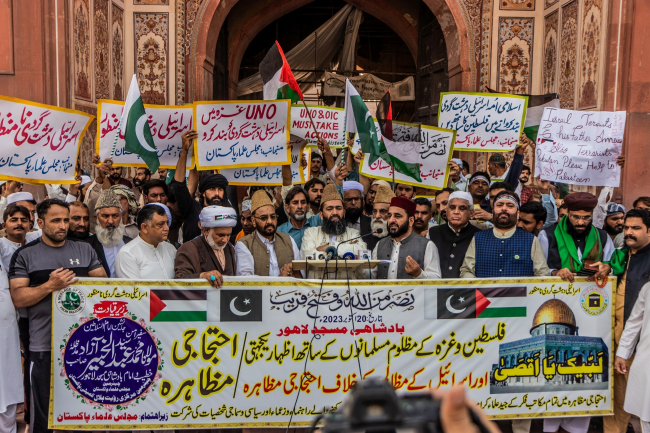
Pakistan and the Israel-Palestine Conflict: Transformation in Pakistan’s Approach After the War in Gaza
Pakistan has long combined vocal support for the Palestinian cause with covert engagement with Israel. Since the war in Gaza, this balance has become untenable: public opinion is united against Israel, joining Trump’s Board of Peace has drawn rare cross-party criticism, and new regional alignments put normalization out of reach.
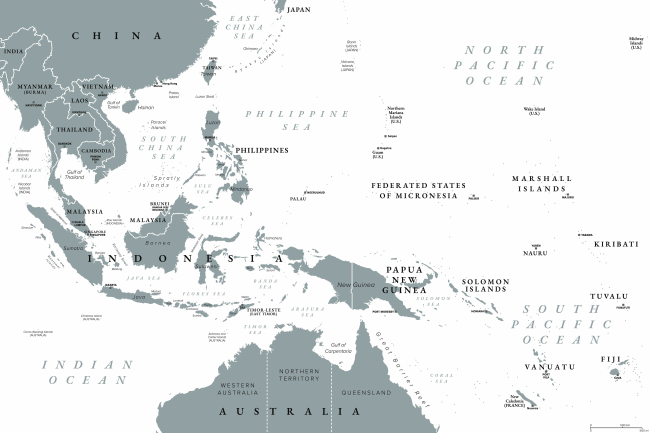
The Oceania Factor in France’s Evolving Indo-Pacific Strategy
This paper examines the two-way relationship between France’s Indo-Pacific strategy and developments in Oceania. Oceania was not a priority in the initial years of France’s Indo-Pacific strategy, as the region was largely treated as secondary to major strategic hotspots and key partnerships, while overseas territories were primarily handled as domestic issues and recipients of a top-down strategy.

France’s View: From Diplomacy to Public-Private Action
France has emerged as the EU’s IMEC forerunner, combining port infrastructure, diplomatic alliances and public-private cooperation. With Marseille Fos at its core, the country brings a strategic hub for logistics, energy and digital connectivity to the corridor.
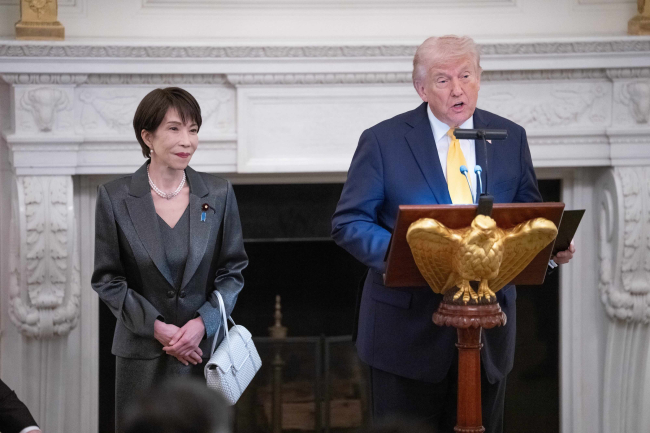
Trump II, the Crisis of the Rules-Based Order and Europe’s Indo-Pacific Strategy
This article examines the implications of Trump II for Europe’s engagement in the Indo-Pacific. The piece contends that Trump II is accelerating the erosion of the rules-based order and undermining the relevance of the Free and Open Indo-Pacific (FOIP) concept, while forcing Europe to refocus on its own continental security amid US retrenchment. Paradoxically, these very constraints create conditions for a more autonomous, pragmatic, and explicitly interest-driven European engagement in the Indo-Pacific, rather than outright withdrawal.