Fossil Energies
The geopolitics of hydrocarbons - how are global balances changing, and what are the implications for Europe, emerging and rentier states, as well as for energy transitions?
Related Subjects
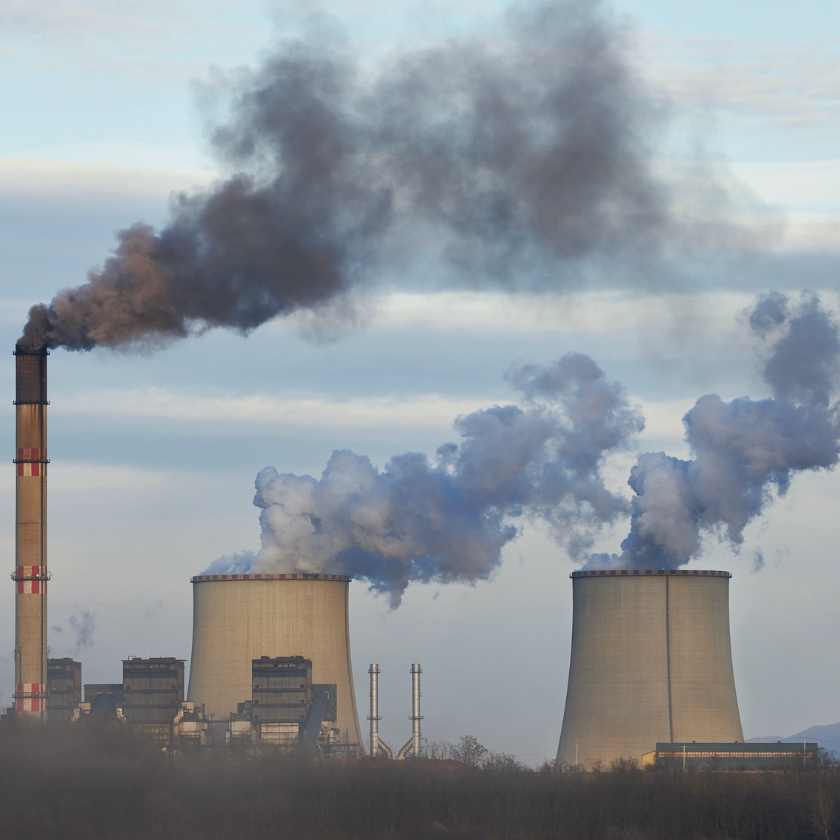
"Russia New Energy Alliances: Mythology versus Reality", Interview with Vladimir MILOV
"Past year has been marked not only with the Ukrainian crisis and unprecedented tensions in political relations between Russia and the West, but also with somewhat radical change of Moscow’s approach to international energy affairs. Widely promoted new energy partnerships with countries like China and Turkey were supposed to demonstrate that Russia has a choice of alternatives for mass-scale international energy cooperation, as compared to previous domination of European dimension, and if West wishes to cut ties with the Kremlin, Russia has somewhere else to go.
Does Russia really have an option of developing new international energy partnerships comparable in scale and significance to those with Europe as the consumer of energy, and with Western IOCs as key agents helping to secure further exploration and development of Russian oil & gas resources?"
Support independent French research
Ifri, a foundation recognized as being of public utility, relies largely on private donors – companies and individuals – to guarantee its sustainability and intellectual independence. Through their funding, donors help maintain the Institute's position among the world's leading think tanks. By benefiting from an internationally recognized network and expertise, donors refine their understanding of geopolitical risk and its consequences on global politics and the economy. In 2025, Ifri supports more than 80 French and foreign companies and organizations.