



Practical information
Accessibility
Related centers and programs
Registration required. Create an account or log in to register for the event.
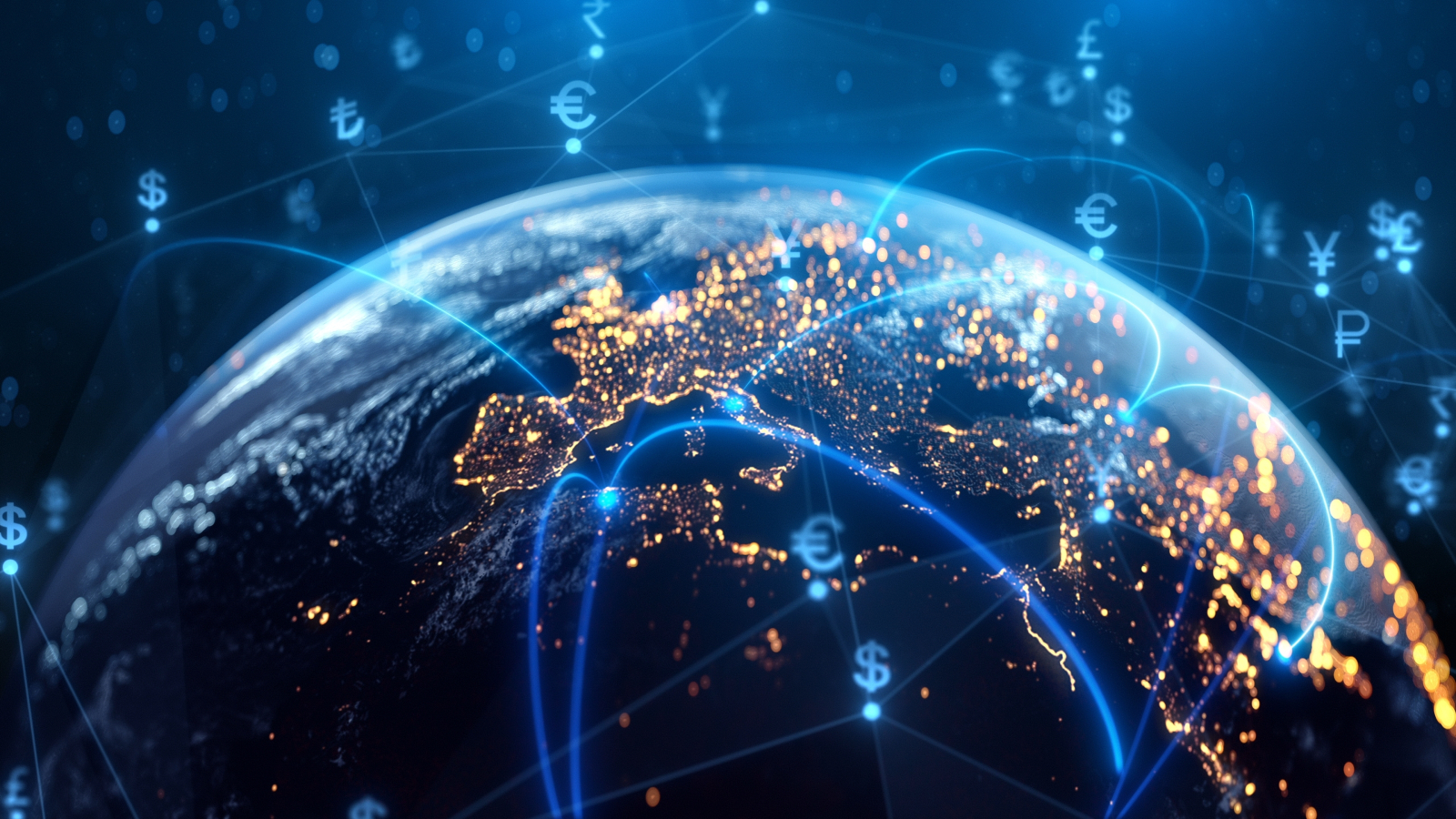
The world economy is being reordered. The certainties of the post-Cold War era, open trade, dollar centrality, predictable multilateral coordination, are giving way to a landscape shaped by rivalry between the United States and China, the weaponization of interdependence, and a scramble to secure supply chains, technologies and critical resources. What once looked like a stable architecture now appears fragile, contested, and in places actively being dismantled.
This conference asks whether the tools built for an earlier era, monetary and financial coordination, trade liberalization, multilateral crisis response, can still function in this new environment, or whether entirely new arrangements are emerging in their place. Can the international monetary and financial system still deliver a coordinated response when a systemic crisis hits? Have advanced economies learned the lessons of the first China Shock quickly enough to face a second one? What does economic security really require of trade, energy and industrial policy, and at what cost? Is the dominance of the dollar being eroded by sanctions, stablecoins and geopolitical rivalry, or proving more resilient than expected?
Program:
9:00 - 9:05 | Welcome : Sébastien Jean, associate director of the Geoeconomics and Geofinance Initiative, Ifri and professor Cnam
9h05 - 10h15 | Session 1 | How are AI and the digitization of everything changing international economic and financial relations?
AI and pervasive digitization are transforming production, trade and finance simultaneously, reshaping comparative advantages, labor markets and capital flows. Payment systems, data flows and algorithmic decision making are becoming new arenas of economic power. Is this a change of degree, or a structural break in how international economic relations work? Who will set the rules?
Antonin Bergeaud, associate proffesor, HEC
Coralie Billmann, president, Circle France
Brigitte Daurelle, non-executive director, CLS Group
Maiko Meguro, lead coordinator and senior policy analyst, Data Free Flow with Trust, OECD
Chair : Mathilde Velliet, research fellow, Center for Geopolitics of Technology, Ifri
10:15 - 10:30 | Coffee-break
10:30 - 11:45 | Session 2 | The dollar under pressure: is the international monetary system fragmenting?
Sanctions on Russia, the rise of stablecoins and growing interest in alternatives to SWIFT have all raised the question of dollar dominance. Yet the dollar's share of reserves and trade invoicing has proven remarkably sticky. Is the international monetary system genuinely fragmenting, or is resilience being mistaken for fragility? What would real fragmentation look like? What could be the early warnings?
Agnès Bénassy-Quéré, deputy governor, Banque de France
Lorenzo Codogno, visiting professor in practice, London School of Economics and Political Science; founder and cheif economiste, Lorenzo Codogno Macro Advisors Ltd
Yves Perrier, chairman, Edmond de Rothschild
Brad Setser, Whitney Shepardson senior fellow, Council on Foreign Relations
Chair : Sébastien Jean, associate director of the Geoeconomics and Geofinance Initiative, Ifri and professor Cnam
11:45 - 13:00 | Session 3 | Macroeconomic policies, trade, climate: what new types of coordination?
Climate transition, trade tensions and diverging monetary cycles are colliding just as multilateral institutions struggle to adapt. Old coordination mechanisms, G7, G20, IMF surveillance, were not built for this combination of pressures. What new forms of coordination, formal or informal, are emerging to manage it? Can they hold?
Hakim Ben Hammouda, former Minister of Finance, Tunisia; executive director, Global Institute 4 Transitions
Marion Jansen, director for trade, OCDE
Jean Pisani-Ferry, Bruegel et PIIE senior fellow
Denis Redonnet, deputy director general and chief trade enforcement officer, European commission directorate general for trade
Chair : Bernard Hoekman, professor, European university institute, Firenze
Contact
Sébastien JEAN
Associate Director of Ifri's Geoeconomics and Geofinance initiative

Julia CHOBANU
Assistant to the Executive Director of Ifri
Related Subjects
Other events
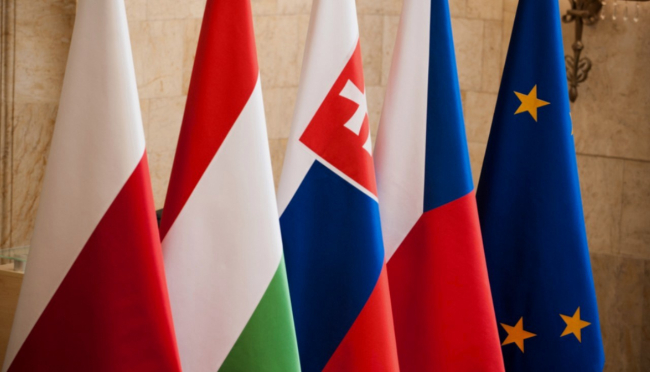
A New Moment for Central Europe? Regional Cooperation in a Time of European Strategic Choices
Recent political developments in Central Europe have revived the debate about the future of regional cooperation and the Visegrád Group. Changes in Hungary, Poland, the Czech Republic and Slovakia, together with Austria’s growing interest in closer cooperation with its neighbours, could create new opportunities for dialogue and coordination around shared priorities.
China’s Nuclear Buildup: Developments, Drivers, and Implications for Major-Power Relations and Arms Control
China has been steadily expanding its nuclear arsenal for several years amid levels of geopolitical tension unseen since the end of the Cold War, marked by a resurgence in nuclear proliferation and a broader, global arms race.