




Russia-China relations: What next & else after ESPO, Yamal LNG and Power of Siberia?

Practical information
Expanding Russia-China energy relations represent one of the most important global energy market developments in the past ten years, and Chinese investments in Russian energy projects and companies have been growing. The strategic dimension of Russia-China relations has gained additional attention as Russia's relations with the West deteriorated, and as China laid out its One Belt One Road Initiative. This energy breakfast discussion aims to assess these energy, economic and political ties, their implications and draw perspectives for their future development.
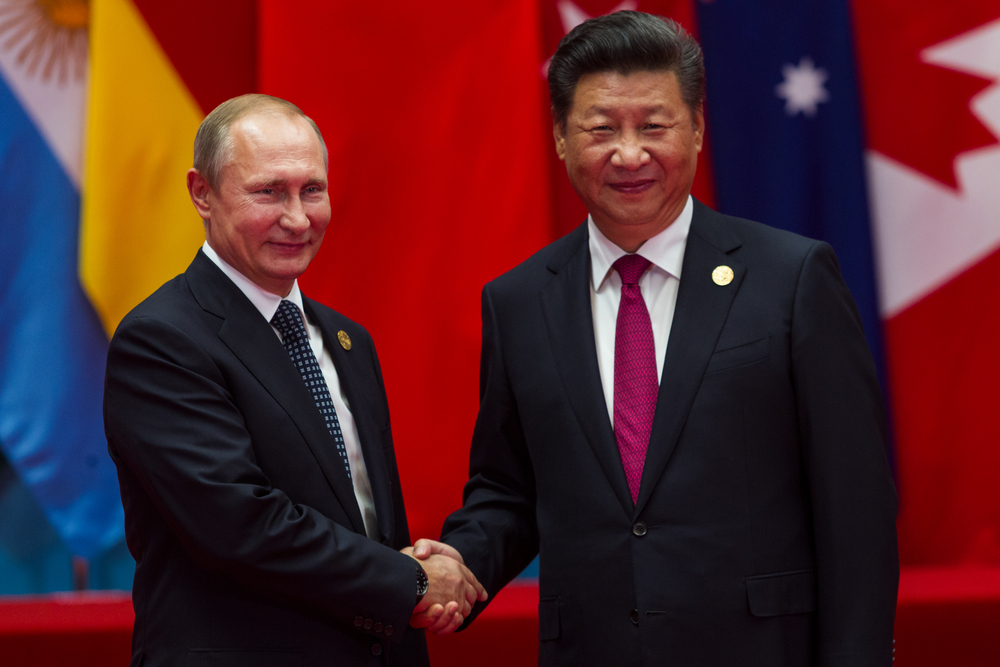
Introduction : Marc-Antoine Eyl-Mazzega, Director, Centre for Energy, Ifri
Russia-China, quo vadis : Alexander Gabuev, Senior Fellow, Moscow Carnegie Centre
Discussant : Nicu Popescu, Senior Fellow, European Union Institute for Security Studies
Other events
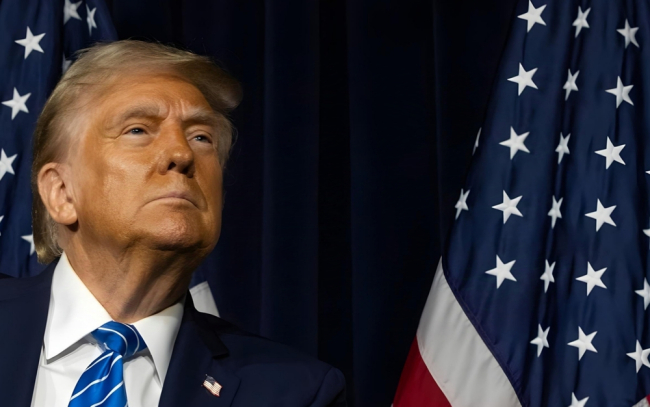
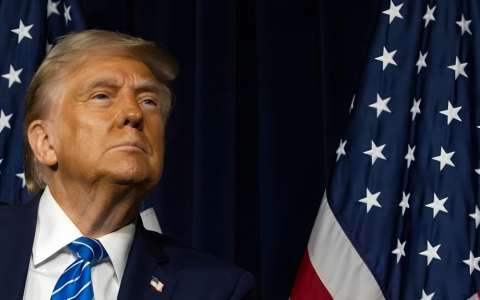
One Month Ahead of the Midterms: Where Is Trump’s America Headed?
The 24th edition of the Ifri Americas Programme Annual Conference will examine the dynamics at play in the United States and their implications for Europe and the transatlantic relationship. will examine the dynamics at play in the United States and their implications for Europe and the transatlantic relationship.
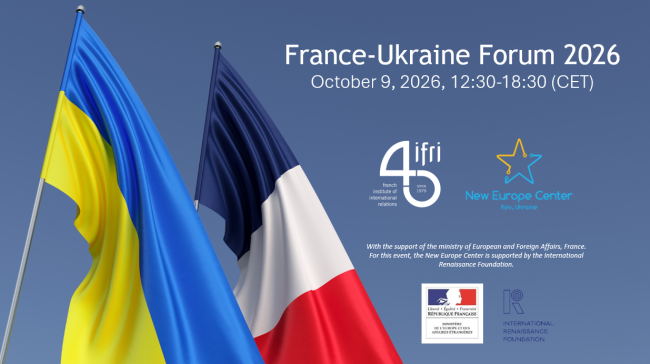
France-Ukraine Forum 2026
More than four and a half years after the start of the full-scale war launched by Russia against Ukraine, the 2026 France-Ukraine Forum will bring together policymakers, experts, academics, and civil society representatives from both countries to discuss three main topics: the formats and conditions for a lasting diplomatic settlement; Ukraine’s Euro-Atlantic integration, encompassing both the EU accession process and closer ties with NATO; and the societal transformations of postwar Ukraine, as well as its prospects for reconstruction.
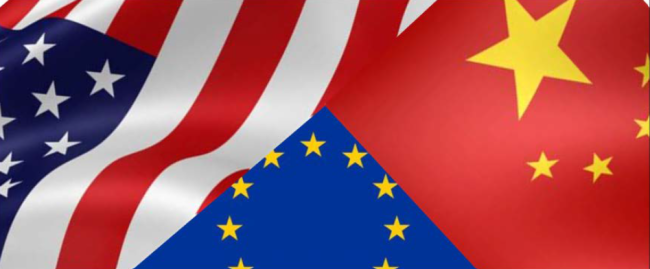
The EU in a World of Economic Warfare: Trade, Geopolitics, and the Battle for Economic Sovereignty
The international trading system has become a primary theatre of geopolitical competition. Tariffs, sanctions, and technology controls have replaced dialogue as the default instruments of economic relations.