





Practical information
Themes and regions
Related centers and programs
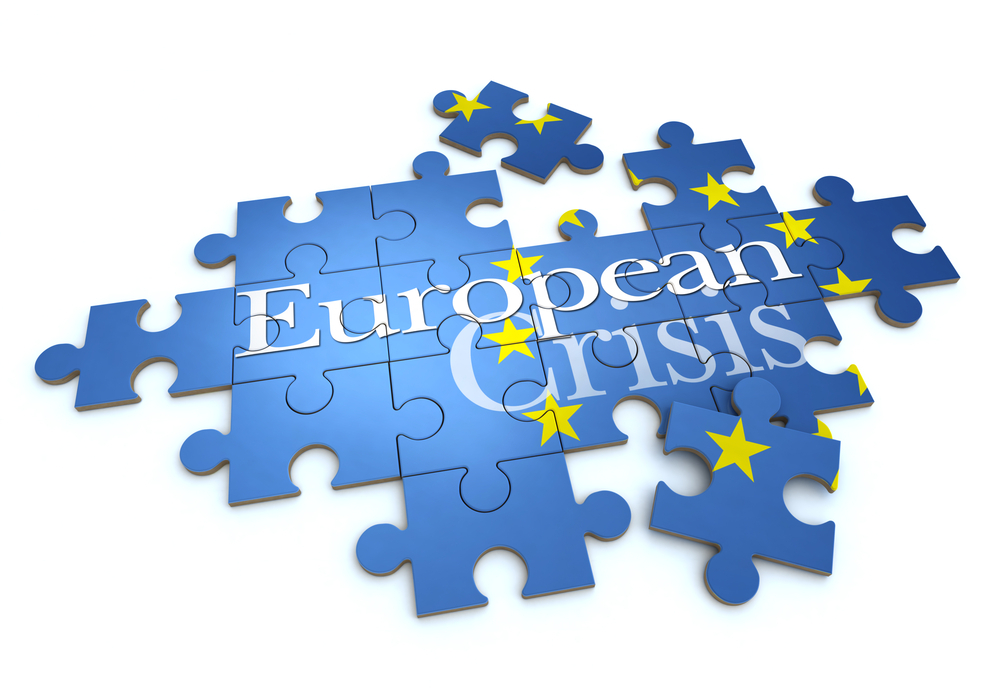
2015 was a year of continuous crises. 2016 may follow the same dynamic. The Greek crisis has so far been averted but may come back in the coming months. The refugee crisis has cristallised enormous tensions around the issues of the welcoming of refugees in all EU countries. The pressure on the Schengen area and the difficulty to cooperate on this issue are evidence that this may generate further tensions in the months ahead. The rise of populism across Europe has led Eurosceptic discourses to become a lot more mainstream without the counterarguments being publicised with equal force. Finally, the UK referendum will take place in June 2016 and its outcome is unpredictable. All those challenges are stress tests for the EU.
Related Subjects
Other events
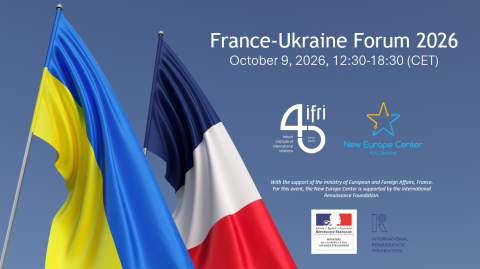
France-Ukraine Forum 2026
More than four and a half years after the start of the full-scale war launched by Russia against Ukraine, the 2026 France-Ukraine Forum will bring together policymakers, experts, academics, and civil society representatives from both countries to discuss three main topics: the formats and conditions for a lasting diplomatic settlement; Ukraine’s Euro-Atlantic integration, encompassing both the EU accession process and closer ties with NATO; and the societal transformations of postwar Ukraine, as well as its prospects for reconstruction.
The EU in a World of Economic Warfare: Trade, Geopolitics, and the Battle for Economic Sovereignty
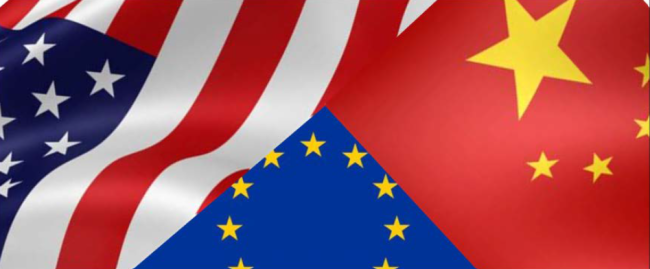
The international trading system has become a primary theatre of geopolitical competition. Tariffs, sanctions, and technology controls have replaced dialogue as the default instruments of economic relations.
The Road to 27 Electrification Action Plans: Planning and Investing in Europe’s Electric Future
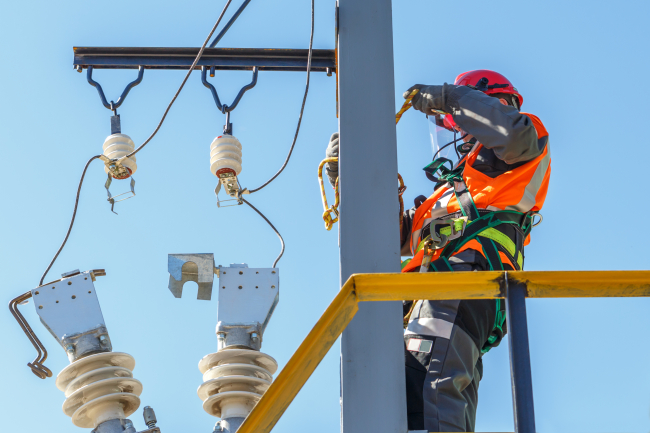
The European Commission’s Electrification Action Plan places the continent on an electric path to structurally reduce dependence on fossil fuel imports and boost the energy transition in industry, transport and buildings.