

France and Japan in Africa: a Promising Partnership
If some African countries are on their way to achieving dynamic economic growth, many are also still struggling with a lack of economic and social infrastructure, latent governance issues and often complex and risky security environments. In this context, both Japan and European countries, especially France, are making efforts to increase not only their development assistance, but also private investments and security cooperation in Sub-Saharan Africa.

Europe in the Global Race for Electrical batteries
This study weighs up the different strategic approaches that Europe may adopt in the industrial race for electrical batteries, taking into account the demand potential for e-mobility and stationary storage, the global competitive landscape and the policy support for local players in Asia and the U.S.
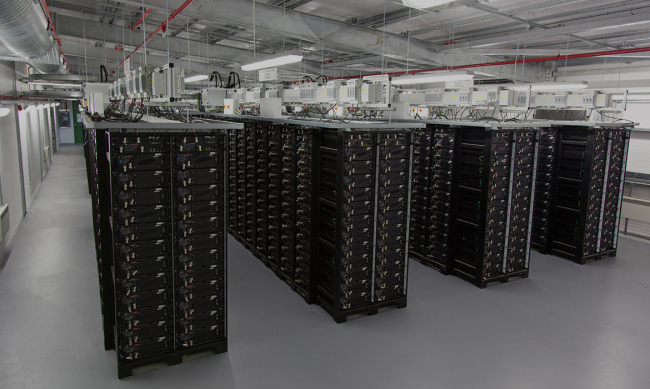
Electricity storage in a redesigned market
Storage technologies have the potential to significantly support the EU’s electricity system, bringing a number of flexibility services. There are numerous electric energy storage (EES) technologies, tackling different magnitudes in terms of quantity of energy, ramp-up time, duration of discharge, costs, and lifetime.
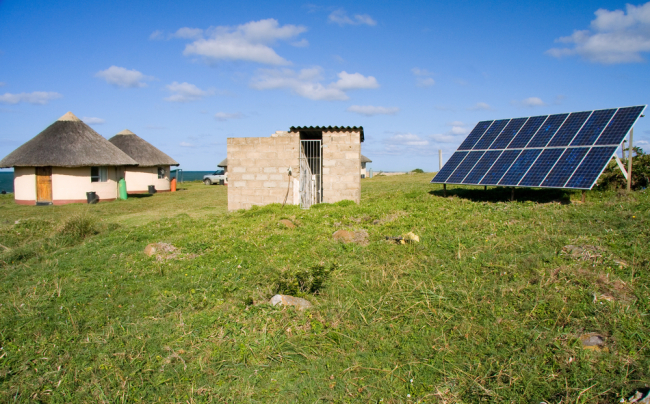
Sustainable Development Goals: The EU at the Global Partnership Forefront
In September 2015, the United Nations General Assembly adopted the 2030 Agenda for Sustainable Development; featuring a set of 17 measurable and time-bound Sustainable Development Goals (SDGs) with 169 associated targets for 2030. This Hot Energy Topic analyzes advancement to SDG7 (access to a clean energy) and SDG13 (combat and adapt to climate change) in Africa through the prism of SDG17 (partnership).

Business Models for Flexible Production and Storage
This report explores business models for storage solutions that may help the European energy system adapt to new challenges.
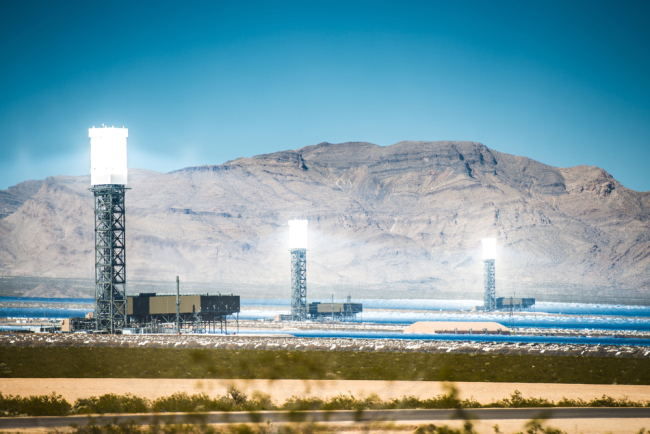
Storage Integration in Energy Systems: A New Perspective
The purpose of this paper is to go through the transformations that new modes of energy storage – mostly batteries – are expected to bring to the energy systems.
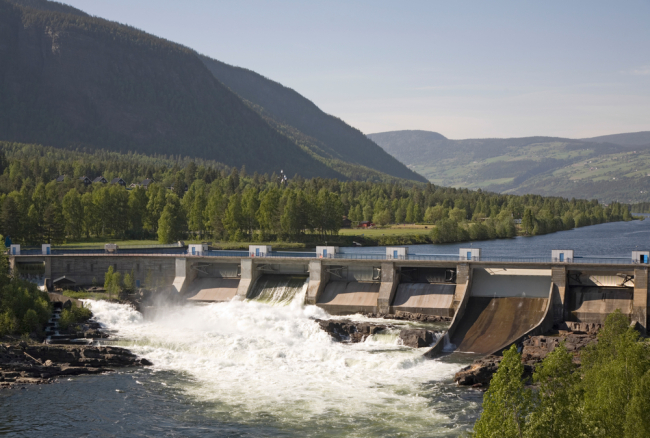
Norway as a Decarbonization Hub for the European Union
The European Union (EU) is committed to reach climate neutrality by 2050. Similarly, Norway aims to create a zero-emission society by that same year.
The European Battery Alliance is Moving up a Gear
French battery cell manufacturer Saft and Opel, the German subsidiary of automaker PSA Group, are finalising the details of a major investment project in battery cell manufacturing. Is the European Union (EU) finally challenging Asia’s dominance on battery cells production? What chances of success for the European Battery Alliance (EBA) and what implications for the EU industrial policy?
Possible Energy Transitions through 2029
Renewable energies are experiencing rapid growth, due not only to their limited impact on the environment but also to shrinking costs. To fight climate change, new investments in low carbon technologies are necessary. Apart from its positive aspects, the energy transition carries risks, notably geopolitical. The notion of energy security will be profoundly modified. These risks can be anticipated and managed.
Electricity storage in a redesigned market
Storage technologies have the potential to significantly support the EU’s electricity system, bringing a number of flexibility services. There are numerous electric energy storage (EES) technologies, tackling different magnitudes in terms of quantity of energy, ramp-up time, duration of discharge, costs, and lifetime.
Ifri, a foundation recognized as being of public utility, relies largely on private donors – companies and individuals – to guarantee its sustainability and intellectual independence. Through their funding, donors help maintain the Institute's position among the world's leading think tanks. By benefiting from an internationally recognized network and expertise, donors refine their understanding of geopolitical risk and its consequences on global politics and the economy. In 2026, Ifri partners with over 90 French and international companies and organizations.