International Organizations and Multilateralism
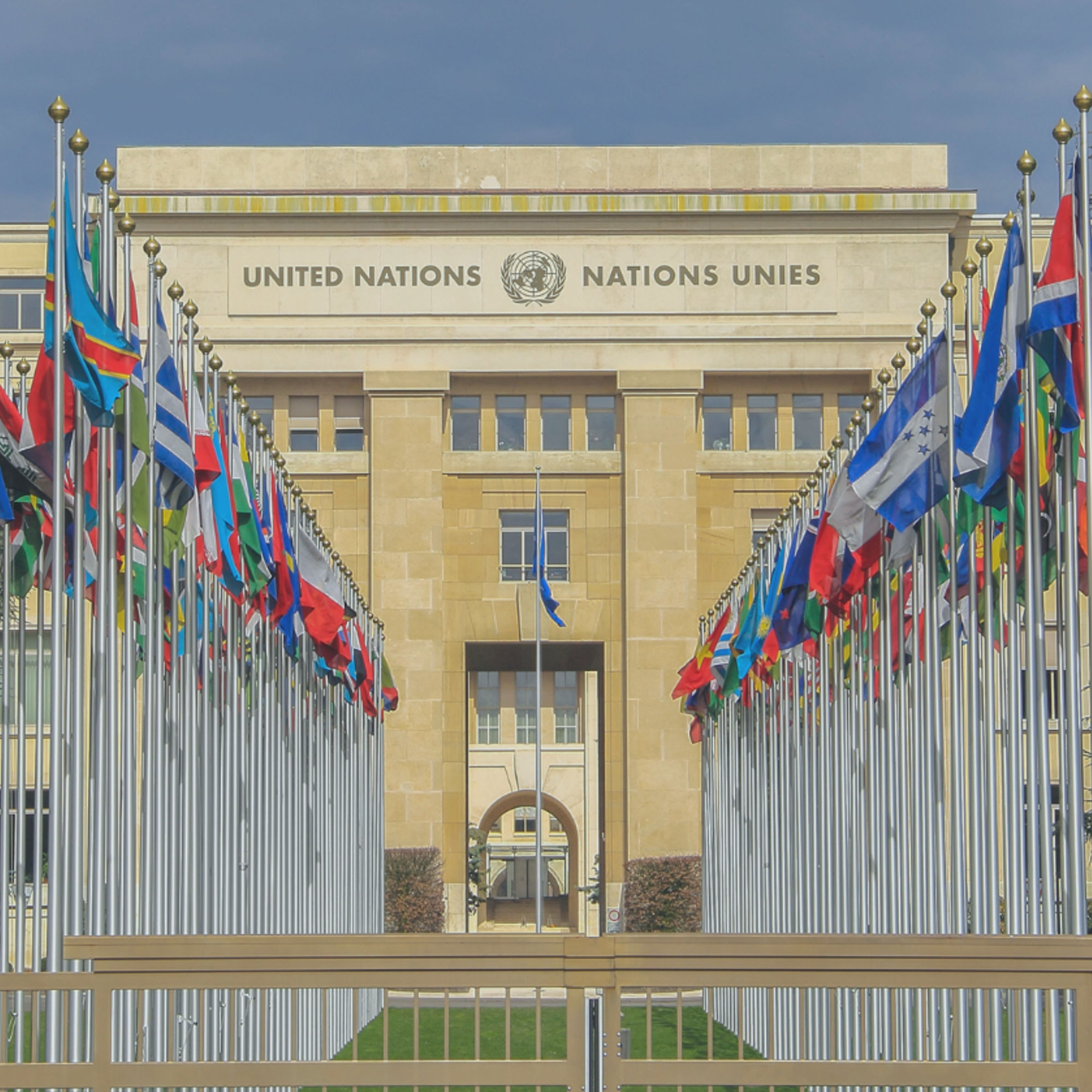
Rhetoric on the crisis of multilateralism is frequent. International organizations (UN, WTO, etc.) remain no less important, while other forums (G20, BRICS, etc.) are asserting themselves.
Related Subjects
Reforming the EU electricity markets - Florian ERMACORA
Florian Ermacora, Head of the Internal Energy Market Unit in DG Energy, explains how the Clean Energy Package will improve the functioning of the internal electricity market, and how the new market design will help integrating larger shares of renewables.
Juncker, the optimist
The president of the European Commission about security, investment and assistance in Africa. According to Hans Stark, Jean-Claude Juncker didn't beat around the bush and instead of going too far in self-chastisement he tried to give hope to European citizens.
The ASEAN Community: The Reality of a Vision
On December 31, 2015, ASEAN launched its long-anticipated Community with relatively little fanfare. This low-profile attitude surprised many observers: announced as a milestone and the signal of the member-states determination to bring regional cooperation “to a higher plane,” the launch was indeed modest, even imperceptible.
The TPP and its consequences for China, and Europe
John Seaman answers questions from the China Daily on the recently concluded negotiations of the Trans-Pacific Partnership (TPP) and their consequences for China and for Europe.
Read the interview, in Chinese
The Baltic Forum 2013
Significant changes in global and regional energy supply and demand, as well as their influence on the political decision-making determine the need to restore proper expert analysis of problems and development perspectives.
Traffic streams, especially energy resource transit, are directly subordinate to the changes in the relations between the countries of the world. Logistics cannot be considered in isolation from the international security and energy policy.
The ensuring of Euro-Atlantic security to the countries and country groups in the surrounding turbulent world is one of the most important and topical issues for joint consideration.
Russia's diplomacy is more active than it was ten years ago
Since December 2011 there is a real convergence between the perception of President Vladimir Putin and the perception of Russia, especially, in the Western media.
That leads to several comments. The first is the feeling that there is now a new, much more concentrated power in the Kremlin, and that to some extent leads to the question about the very difficult challenge for Russia to build balanced institutions. And there is the perception that, on this particular point, Russia has not made progress. And this is the main area of concern as seen from outside.
Support independent French research
Ifri, a foundation recognized as being of public utility, relies largely on private donors – companies and individuals – to guarantee its sustainability and intellectual independence. Through their funding, donors help maintain the Institute's position among the world's leading think tanks. By benefiting from an internationally recognized network and expertise, donors refine their understanding of geopolitical risk and its consequences on global politics and the economy. In 2025, Ifri supports more than 80 French and foreign companies and organizations.