




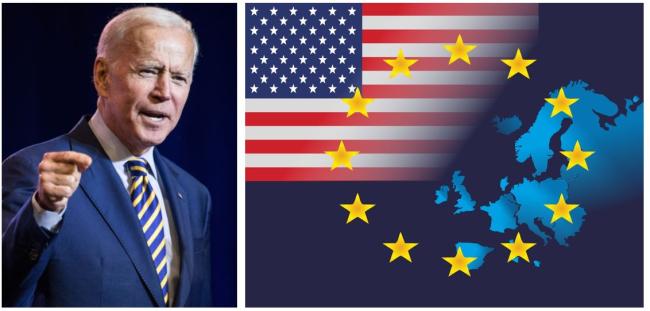
European Strategic Autonomy and the Biden Presidency
Some twenty international personalities from different horizons and backgrounds were asked to reflect on the impact of the Biden presidency for the future of European strategic autonomy.
Europe in the World: for a Modest and Effective Reform
This sad year ends with a pandemic that continues in full swing over a large part of the planet, especially in the United States and Europe, with no other reassuring prospect than that of one or more vaccines, which is already a lot. But that’s not the subject I want to focus on in this eighth letter, the last one for 2020. Internationally, two other facts have dominated the scene in recent months.

The Gulf: New Center of the Middle East?
Amid the shift in major powers, the Persian Gulf is asserting its position at the heart of the Middle East.

France to spell out nuclear plan
A researcher said that ‘the balance is shifting, including in countries such as Germany’ on the role of nuclear weapons in Europe’s strategic ambitions.
France, the EU’s sole nuclear power since Britain’s exit from the bloc, was to unveil how it intends to use its atomic arsenal as a deterrent. French President Emmanuel Macron, in an address to military officers graduating in Paris yesterday, was expected to recommit to upgrading France’s capacity, at a time when NATO allies, who would ordinarily look to the US in a nuclear standoff, worry about Washington’s retreat from the multilateral stage.

Europe in the Face of US-China Rivalry
Navigating the mounting tensions between the United States and China is a geopolitical minefield. Is Europe up to the challenge?
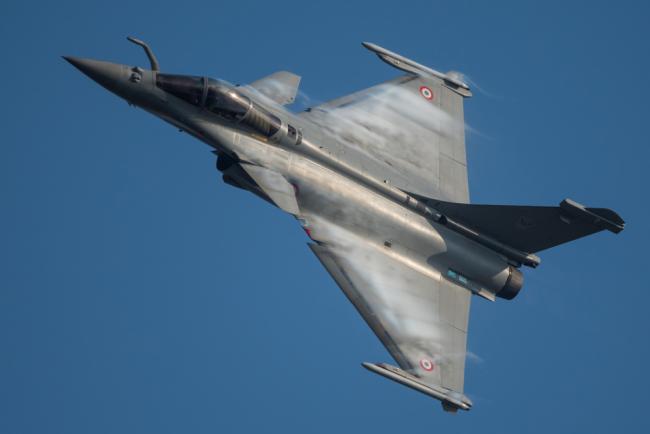
What Does It Mean to Be a European Defense Company Today?
In many ways, defense firms in Europe should be pleased with the recent uptick in defense spending.
Europe’s architecture of security in the current strategic environment: Taking the path toward "strategic autonomy"
As the world stage is marked by renewed great power competition, Europe lacks proper means to assert and defend its own independent political view. Despite this backdrop, the authors of this report contend that the current stalemate can be overcome with a collective and inclusive approach.
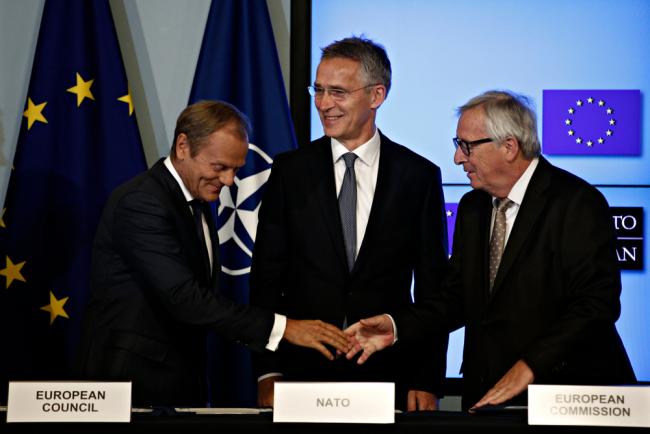
Mutual Reinforcement: CSDP and NATO in the Face of Rising Challenges
Over the past five years, several political and security developments have made it increasingly necessary to look at European Union (EU) / North Atlantic Treaty Organization (NATO) relations through a different lens.
Democratization First. The Community Method in CFSP as a Precondition for a European Defense Policy
The recent calls for the militarization of the EU’s Common Foreign and Security Policy (CFSP) require first a comprehensive democratization of European foreign and security policy.
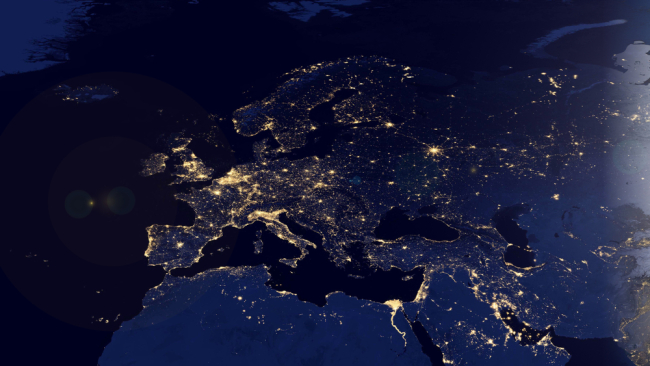
Assessing Europe's Space Dependency and Its Implications
It is a classic exercise to imagine what today’s world would be like if all satellites were shut down. The exact consequences of such a scenario, which is not unlikely given the inherent vulnerability of space systems to natural, accidental and deliberate interferences, are however difficult to appreciate, even for specialists.

Germany's Arms Export Ban Frustates European Partners
Germany's unilateral decision to halt all shipments of military equipment to Saudi Arabia has stopped 10's of billions of dollars worth of orders of joint European arms exports, bringing the question of deep arms export cooperation among European partners into high relief.
European Strategic Autonomy: Balancing Ambition and Responsibility
For decades, Europe has been trying to chart a path away from the military competition and strategic rivalries that brought it to ruins so many times in history.
The Wider Context: Germany's Baltic Engagement, the ‘Munich Consensus’ and the Future of European Security
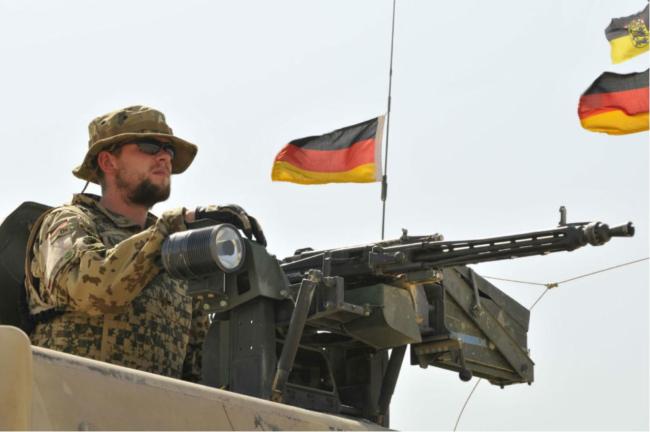
The Real Roots of Germany's Defense Spending Problem
The 1970s were a decade of anti-war movements. Willy Brandt received the Nobel Peace Prize for his détente policy toward the Eastern Bloc – and West German defense spending peaked at 3.13 percent of GDP in 1975. Clearly, those days are long gone.
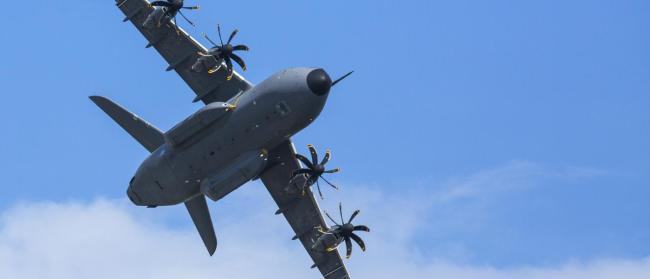
The Three Dimensions of Europe's Defense Debate
In light of transatlantic tensions and a deteriorated security environment, European security affairs are at the crossroads.

Preserving defence partnerships with US and UK is a key interest for France.
Nicolas Sarkozy used to promote himself as a transatlanticist or anglophile French president. Emmanuel Macron seems to have taken this approach a step further. Macron appears to have taken upon France and himself the responsibility of not allowing Britain and more importantly, the United States to drift too far away from Europe. Is he succeeding in this?
Washington Should Help Europe Achieve 'Strategic Autonomy', Not Fight It
In 2016, the European Union issued its Global Strategy, the Union’s latest foreign and security policy strategy document. The strategy “nurtures the ambition of strategic autonomy for the European Union”. American policymakers’ feelings about these aspirations are, to say the least, mixed. Several U.S. officials have expressed fear that a strategically autonomous Europe would be detrimental to the transatlantic alliance.
The NPT and the Origins of NATO’s Nuclear Sharing Arrangements
Russia has recently accused the United States and NATO Allies of violating the Treaty on the Non-Proliferation of Nuclear Weapons (NPT) by arguing that NATO's nuclear sharing arrangements are not permitted under the Treaty.
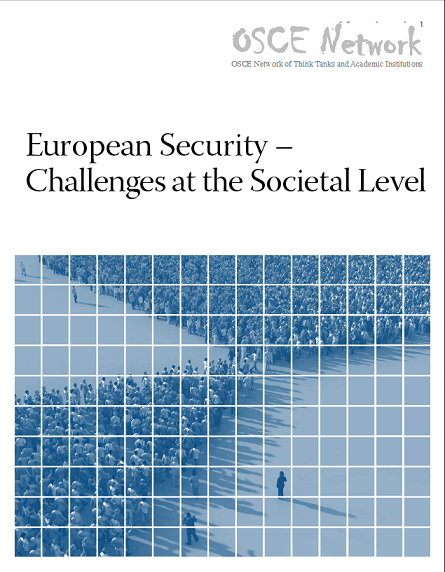
European Security – Challenges at the Societal Level
Relations between Russia and the West have deteriorated dramatically in recent years. The institutional foundations of cooperative security in Europe and the rules and principles they represent are rapidly disappearing.
Brexit: What Happened? What is Going to Happen?
The Brexit referendum demonstrated the fundamental reticence of the British to embrace the ethos underpinning the European construction, the powerlessness of politicians to explain it clearly to the public, the particular difficulties of the main political parties involved, as well as the development of a specifically English nationalist sentiment.
Ifri, a foundation recognized as being of public utility, relies largely on private donors – companies and individuals – to guarantee its sustainability and intellectual independence. Through their funding, donors help maintain the Institute's position among the world's leading think tanks. By benefiting from an internationally recognized network and expertise, donors refine their understanding of geopolitical risk and its consequences on global politics and the economy. In 2026, Ifri partners with over 90 French and international companies and organizations.
