




Is the UN Security Council still relevant? France and Japan's views on the future of multilateralism

Practical information
The war in Ukraine exemplified the limitations of the UN Security Council (UNSC), as this key institution was not able to efficiently act for the maintenance of international peace and security.
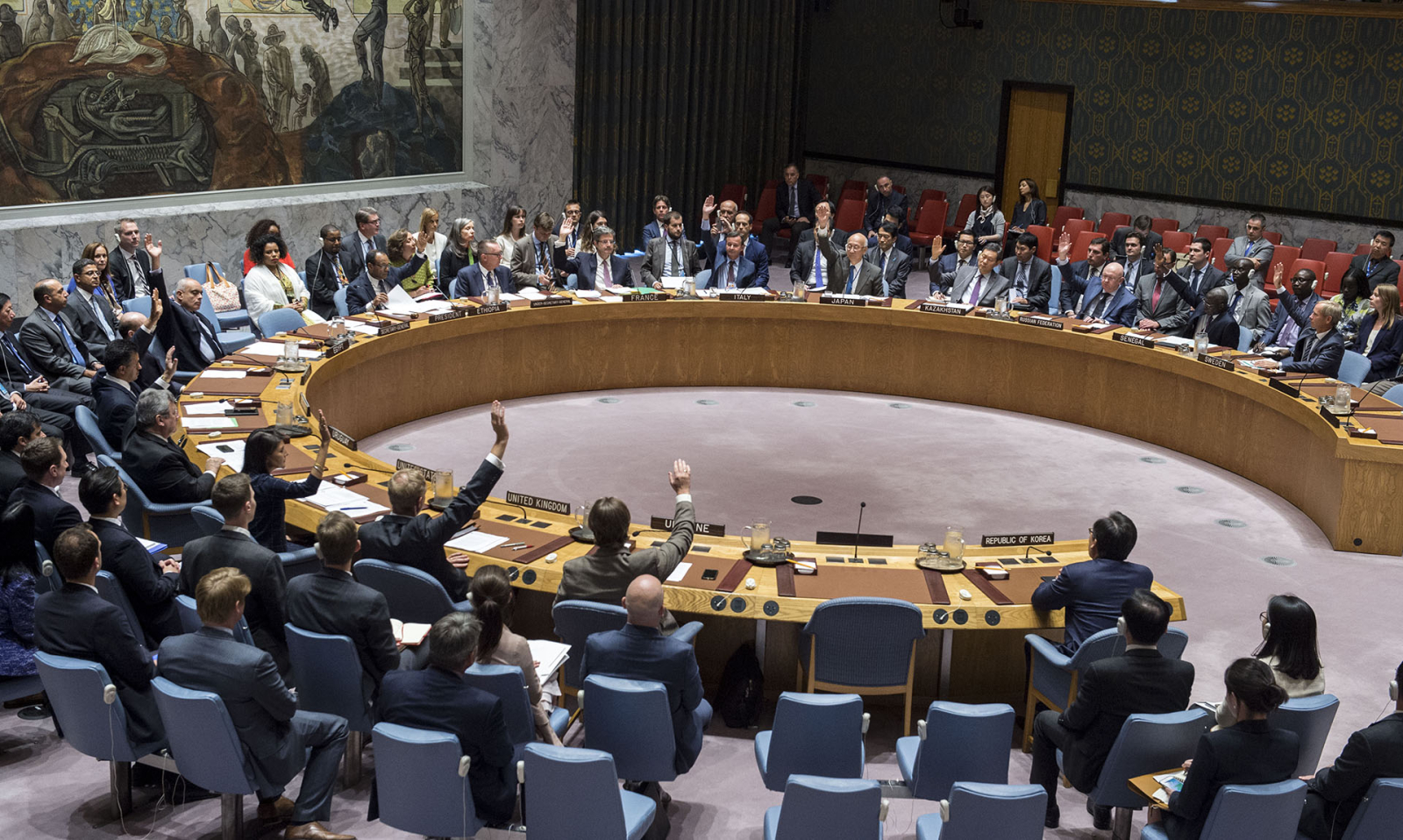
In another case, the UNSC has been unable to stop DPRK’s nuclear and ballistic program, a destabilizing factor in Asia. Time might have come to debate the relevance, operational capacity, and legitimacy of the UNSC. Japan, which has been elected in June 2022 as non-permanent member of the UNSC for the 12th time has been advocating for a reform of the instance. France is supporting this initiative.
Japanese and French experts and practitionners will debate on the future of multilateralism, and especially of the UN Security Council.
The webinar will be held on Zoom, in English.
PROGRAM
Following a brief set of remarks by each speaker, the discussion will interactive and led by the Chair. Q/A from the audience will be included in the discussion.
Chair and discussion leader: Céline PAJON, Head of Japan Research, French Institute of International Relations (Ifri)
- Yukio TAKASU, Japanese diplomat, former United Nations Under-Secretary-General (UNSG) for Management and Special Adviser on Human Security to the UNSG
- Manuel LAFONT-RAPNOUIL, Director Policy Planning, French Ministry of Foreign Affairs
- Akiko FUKUSHIMA, Senior Fellow, The Tokyo Foundation for Policy Research
- Guibourg DELAMOTTE, Senior Lecturer, French Institute of Oriental Studies (Inalco); Research Fellow at the French Research Institute on East Asia (IFRAE, CNRS)
Related Subjects
Other events
COP31 in Antalaya: State of the Global Climate Governance, Issues, Perspectives
COPs have become a year-end marathon to revigorate a world now entering the era of climate overshoot. While Türkiye exhibits the largest coal-fired power generation in OECD Europe, it has embraced the electrification agenda and aims at joining forces with Australia on fostering action and implementation. This is an unusual de facto co-presidency arrangement, but one that could yield promising results. This webinar will take stock of what climate governance has achieved and of the issues still to be negotiated, and explore what impetus this Turkish–Australian partnership could provide.
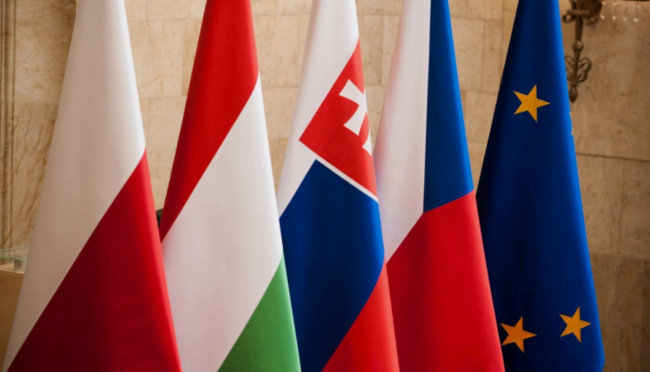
A New Moment for Central Europe? Regional Cooperation in a Time of European Strategic Choices
Recent political developments in Central Europe have revived the debate about the future of regional cooperation and the Visegrád Group. Changes in Hungary, Poland, the Czech Republic and Slovakia, together with Austria’s growing interest in closer cooperation with its neighbours, could create new opportunities for dialogue and coordination around shared priorities.