




Practical information
The Obama Presidency - Year 4: Towards a Second Term?
Ifri and the French American Foundation- France have partnered to present this seminar series.
The United States' has positive economic indicators from the first trimester. The employment rate appears to have rebounded. However, although these results will influence the presidential campaigns, they might not be sustainable. Mais ces évolutions -si importantes dans le contexte de la campagne électorale- ne sont peut-être pas durables. How much leeway does the American goverrnment have to pad them? Should it abandon " quantitative easing " policies ? Should industrial jobs relocate to the United States?
Joined by:
Paul Horne, former Chief international economist of Smith Barney (Citigroup)
Thomas McGrath, Managing Director of one of Europe's leading investment banks
Jean-Michel Six, Managing Director, Standard and Poor's France
Facilitator : Philippe Manière, Managing partner, Footprint > consultants; Chair of the Programs Committee, French American Foundation France
Other events
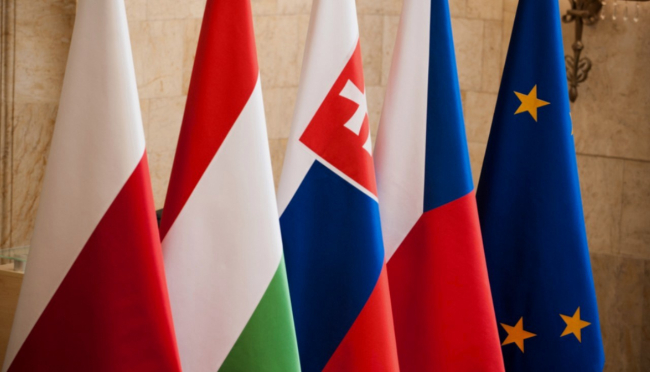
A New Moment for Central Europe? Regional Cooperation in a Time of European Strategic Choices
Recent political developments in Central Europe have revived the debate about the future of regional cooperation and the Visegrád Group. Changes in Hungary, Poland, the Czech Republic and Slovakia, together with Austria’s growing interest in closer cooperation with its neighbours, could create new opportunities for dialogue and coordination around shared priorities.
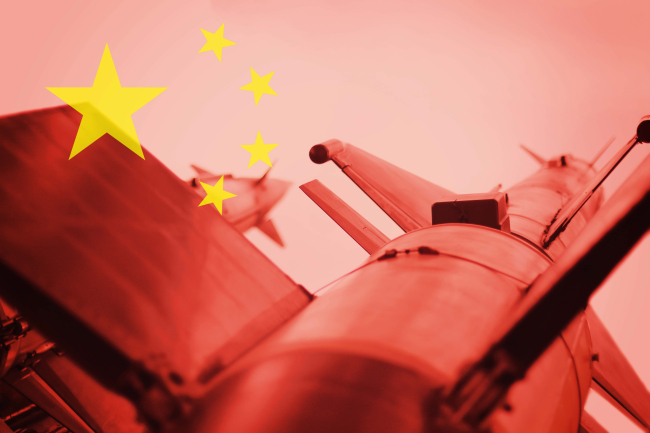
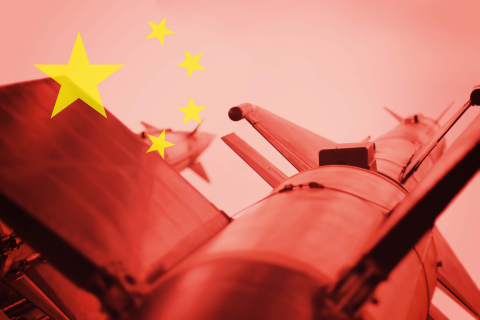
China’s Nuclear Buildup: Developments, Drivers, and Implications for Major-Power Relations and Arms Control
China has been steadily expanding its nuclear arsenal for several years amid levels of geopolitical tension unseen since the end of the Cold War, marked by a resurgence in nuclear proliferation and a broader, global arms race.

Reinventing Coordination in an Age of Fragmentation
The world economy is being reordered. The certainties of the post-Cold War era, open trade, dollar centrality, predictable multilateral coordination, are giving way to a landscape shaped by rivalry between the United States and China, the weaponization of interdependence, and a scramble to secure supply chains, technologies and critical resources. What once looked like a stable architecture now appears fragile, contested, and in places actively being dismantled.