








US Energy & Climate Policies under the Biden Administration: Assessing the Internal and External Dimensions

Practical information
Themes and regions
Related centers and programs
This is a private event.
Learn more about our corporate support packagesPresident Trump has broken but not terminated the global climate governance. President-elect Biden aims to reintegrate the Paris Agreement and engage the US into a major energy transformation.
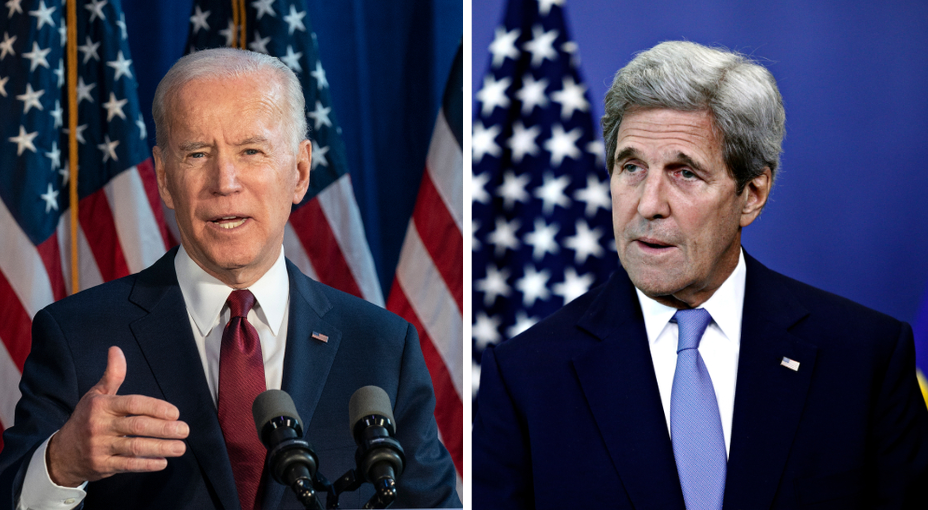
Ahead of his inauguration and a few months before COP26, this webinar aims to discuss the opportunities and limits of what a Biden administration can achieve domestically and abroad.
Chair: Marc-Antoine Eyl-Mazzega, Director, Center for Energy & Climate, Ifri
- Julie Cerqueira, Executive Director, US Climate Alliance: The US energy transformation: opportunities, challenges and perspectives for the Biden administration
Moderation: Carole Mathieu, Head of EU Energy & Climate Policies, Ifri
This seminar will be held in English.
Find out more
The Biden-Harris Election: A Respite In View Of What?
I am writing this seventh letter on Sunday, November 8. Yesterday, the world press proclaimed the victory of Joe Biden and Kamala Harris. However, Donald Trump has filed lawsuits in several states, which few people believe have any chance of succeeding. At this point, then, the present occupant of the White House can be said to have joined the narrow circle of one-term presidents. Other immediate observations come to mind.
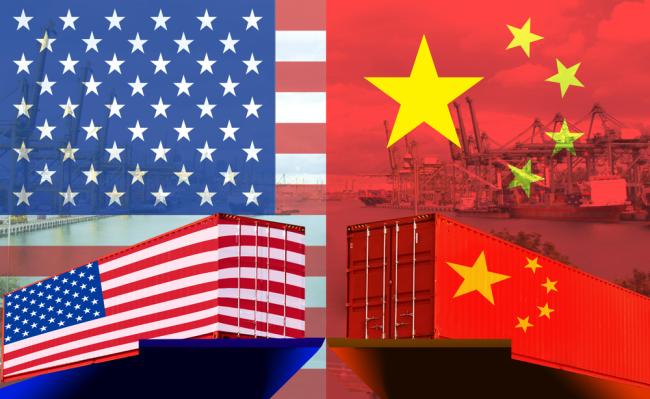
The US-China Trade War: What Is the Outcome after the Trump Presidency?
One of Donald Trump’s campaign promises in 2016 was to end China’s “cheating” on trade and to reduce America's trade deficit by imposing significant tariffs on U.S. imports of Chinese products. This study draws up a first assessment of his policy - and of the "trade war" which stemmed from it.
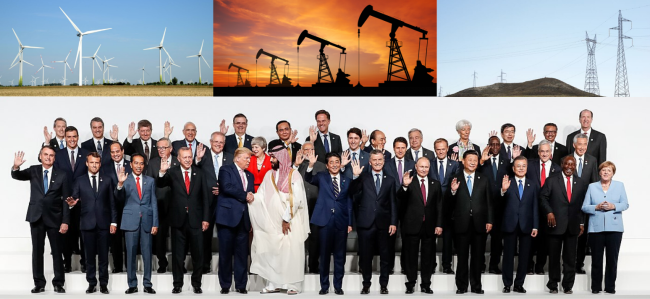
Energy, Climate and the Covid-19 Shocks: Double or Quits
The shocks from COVID-19 likely to affect energy and the climate are multiple and unprecedented in scale and scope.
Shocks from collapsing prices due to plummeting and then paralyzed demand combined with overproduction: this is the case for oil, but also to a lesser extent for electricity and gas. Other raw materials are also being affected.
Shocks to investments, because oil as well as electricity companies are experiencing dramatic falls in earnings while waiting for the peak of the pandemic to pass. They are cutting spending and revising or postponing projects. Jobs and smaller company survival are under threat.
Related Subjects
Other events

France-Ukraine Forum 2026
More than four and a half years after the start of the full-scale war launched by Russia against Ukraine, the 2026 France-Ukraine Forum will bring together policymakers, experts, academics, and civil society representatives from both countries to discuss three main topics: the formats and conditions for a lasting diplomatic settlement; Ukraine’s Euro-Atlantic integration, encompassing both the EU accession process and closer ties with NATO; and the societal transformations of postwar Ukraine, as well as its prospects for reconstruction.

The EU in a World of Economic Warfare: Trade, Geopolitics, and the Battle for Economic Sovereignty
The international trading system has become a primary theatre of geopolitical competition. Tariffs, sanctions, and technology controls have replaced dialogue as the default instruments of economic relations.
The Road to 27 Electrification Action Plans: Planning and Investing in Europe’s Electric Future
The European Commission’s Electrification Action Plan places the continent on an electric path to structurally reduce dependence on fossil fuel imports and boost the energy transition in industry, transport and buildings.