





The War in Ukraine and Rising Global Tensions: A Southeast Asian Perspective

Practical information
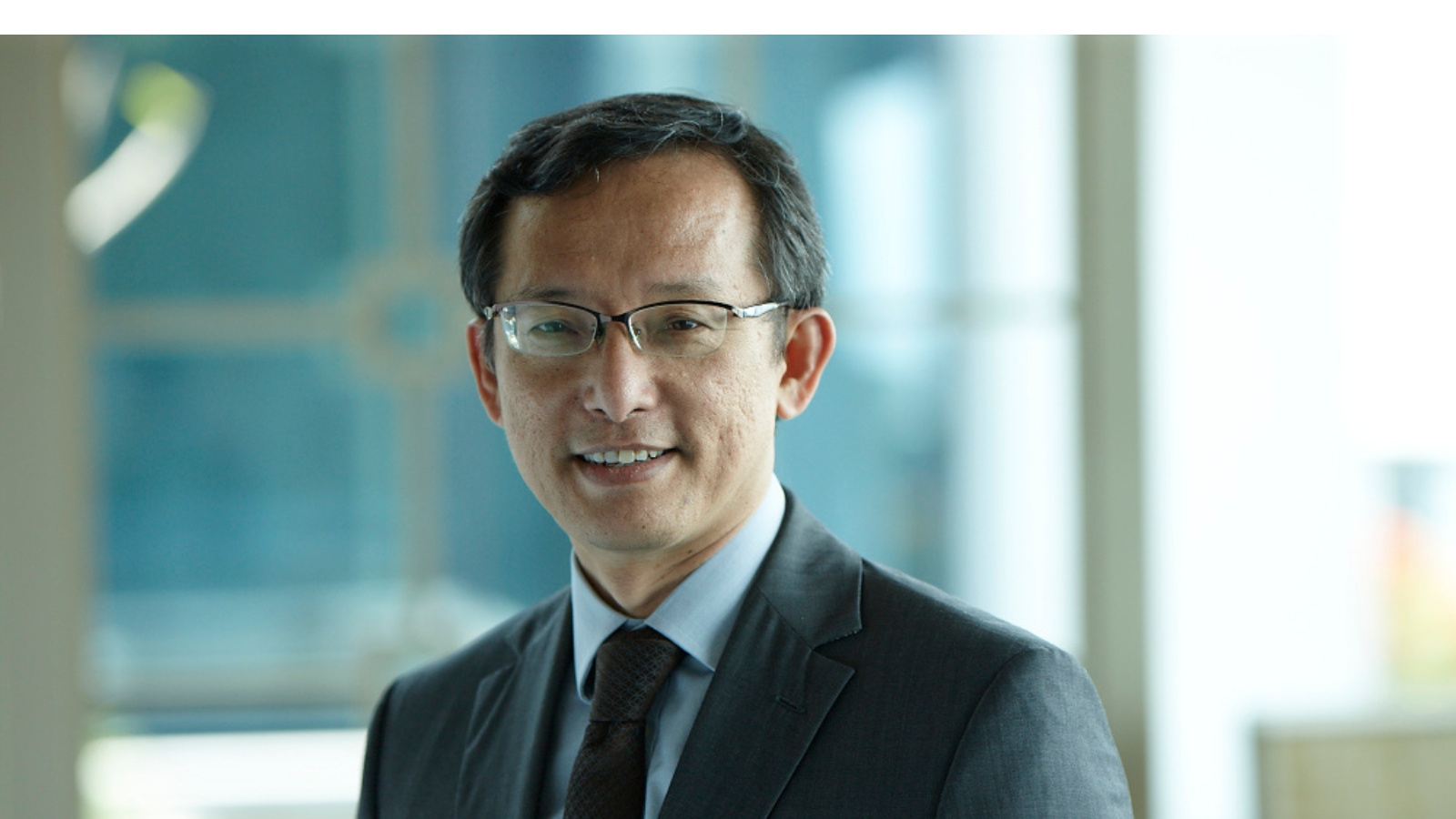
A debate with Simon Tay, Chairman of the Singapore Institute of International Affairs (SIIA), Associate Professor at the National University of Singapore, and Singapore’s Ambassador to Greece.
More than one year after Russia's invasion of Ukraine, the ongoing conflict has only exacerbated the geopolitical tensions that increasingly threaten global peace and stability. Suffering from the economic consequences of the ongoing war, much of the Global South is gripped in a battle of narratives around the future of the international system, fueled by an ever-deepening strategic rivalry, notably between the United States and China. Though far from the fighting in Ukraine, Southeast Asia finds itself compelled to adjust to the new realities brought on by the war and great power competition. The experiences, perspectives and positions of the countries in the region will play an important role in determining how the global order will evolve in the years to come.
Discussant:
Delphine Allès, Professor of Political Science and International Relations, Institut national des langues et civilisations orientales (INALCO)
Moderator:
Françoise Nicolas, Director, Center for Asian Studies, Ifri.
Related Subjects
Other events
France-Ukraine Forum 2026
More than four and a half years after the start of the full-scale war launched by Russia against Ukraine, the 2026 France-Ukraine Forum will bring together policymakers, experts, academics, and civil society representatives from both countries to discuss three main topics: the formats and conditions for a lasting diplomatic settlement; Ukraine’s Euro-Atlantic integration, encompassing both the EU accession process and closer ties with NATO; and the societal transformations of postwar Ukraine, as well as its prospects for reconstruction.
The EU in a World of Economic Warfare: Trade, Geopolitics, and the Battle for Economic Sovereignty
The international trading system has become a primary theatre of geopolitical competition. Tariffs, sanctions, and technology controls have replaced dialogue as the default instruments of economic relations.
The Road to 27 Electrification Action Plans: Planning and Investing in Europe’s Electric Future
The European Commission’s Electrification Action Plan places the continent on an electric path to structurally reduce dependence on fossil fuel imports and boost the energy transition in industry, transport and buildings.