





Practical information
Meeting with Hyung-Gon Jeong, Economist, Specialist of the DPRK economy with the Korea Institute of International Economic Policy (KIEP, Séoul). The seminar is chaired by Françoise Nicolas, Economist, Ifri.
The seminar will be held in English
Vingt ans après la levée du rideau de fer, la République Populaire Démocratique de Corée (RPDC) constitue l"un des derniers vestiges de la période de la guerre froide. Sur le plan économique, bien que le pays se soit tenu volontairement à l‘écart du mouvement de mondialisation, il a cherché à adapter sa politique d"isolement pour s"ouvrir progressivement. Quels sont les résultats de cet effort d"ouverture ? Outre la Corée du Sud, quels sont ses principaux partenaires et quelle est la nature exacte de leurs échanges ? La RPDC est-elle en mesure de suivre les traces de son grand voisin chinois ?
This seminar is held with the support of the Korea Foundation.
Other events
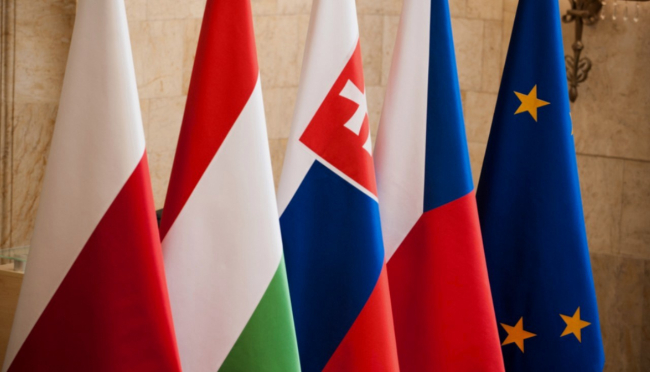
A New Moment for Central Europe? Regional Cooperation in a Time of European Strategic Choices
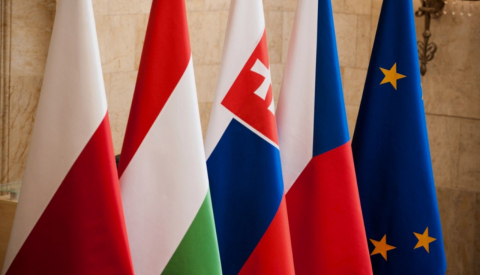
Recent political developments in Central Europe have revived the debate about the future of regional cooperation and the Visegrád Group. Changes in Hungary, Poland, the Czech Republic and Slovakia, together with Austria’s growing interest in closer cooperation with its neighbours, could create new opportunities for dialogue and coordination around shared priorities.
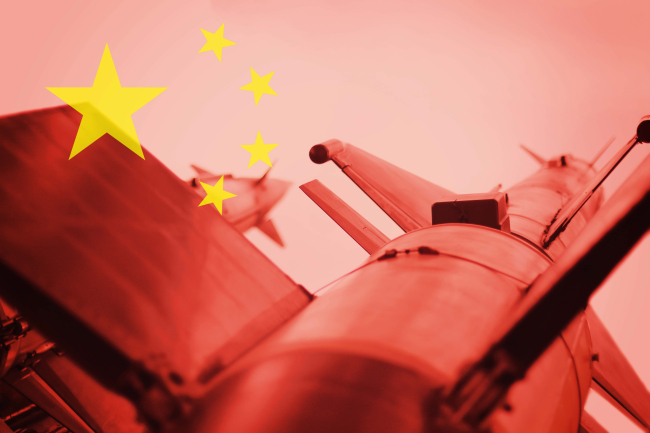
China’s Nuclear Buildup: Developments, Drivers, and Implications for Major-Power Relations and Arms Control
China has been steadily expanding its nuclear arsenal for several years amid levels of geopolitical tension unseen since the end of the Cold War, marked by a resurgence in nuclear proliferation and a broader, global arms race.

Reinventing Coordination in an Age of Fragmentation
The world economy is being reordered. The certainties of the post-Cold War era, open trade, dollar centrality, predictable multilateral coordination, are giving way to a landscape shaped by rivalry between the United States and China, the weaponization of interdependence, and a scramble to secure supply chains, technologies and critical resources. What once looked like a stable architecture now appears fragile, contested, and in places actively being dismantled.