



Titre
Events
Filter results

How to Address Growing Disbalances in the European Electricity System?
The EU has made extraordinary progress in deploying more renewable energy sources, to such an extent that major electricity system disbalances are appearing.



Post-War Europe: How to Rebuild our Security architecture?
The war in Ukraine is a game changer that questions the post-Cold War project of a united and converging Euro-Atlantic space. The end of the conflict and the peace settlement require reflection on the contours of a future European security architecture and on solutions for other unresolved crises, such as frozen conflicts.





Event Series
Brown Bag Seminar Series
The Ambassadors’ Table
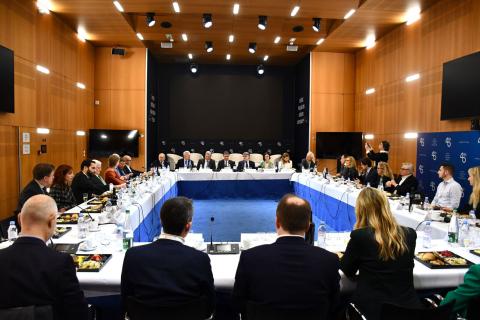
Expert Briefings

Executive Chairman’s Events
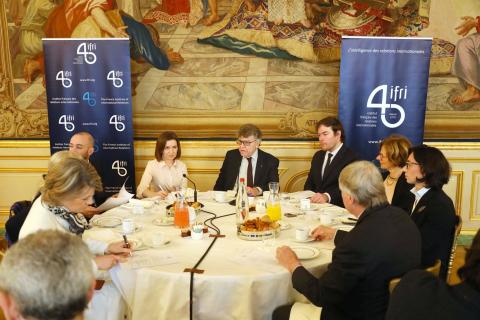
Ifri's Corporate Table
Latest retrospectives
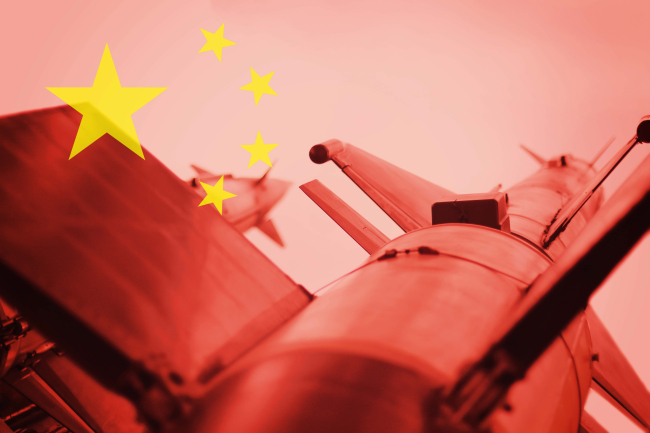
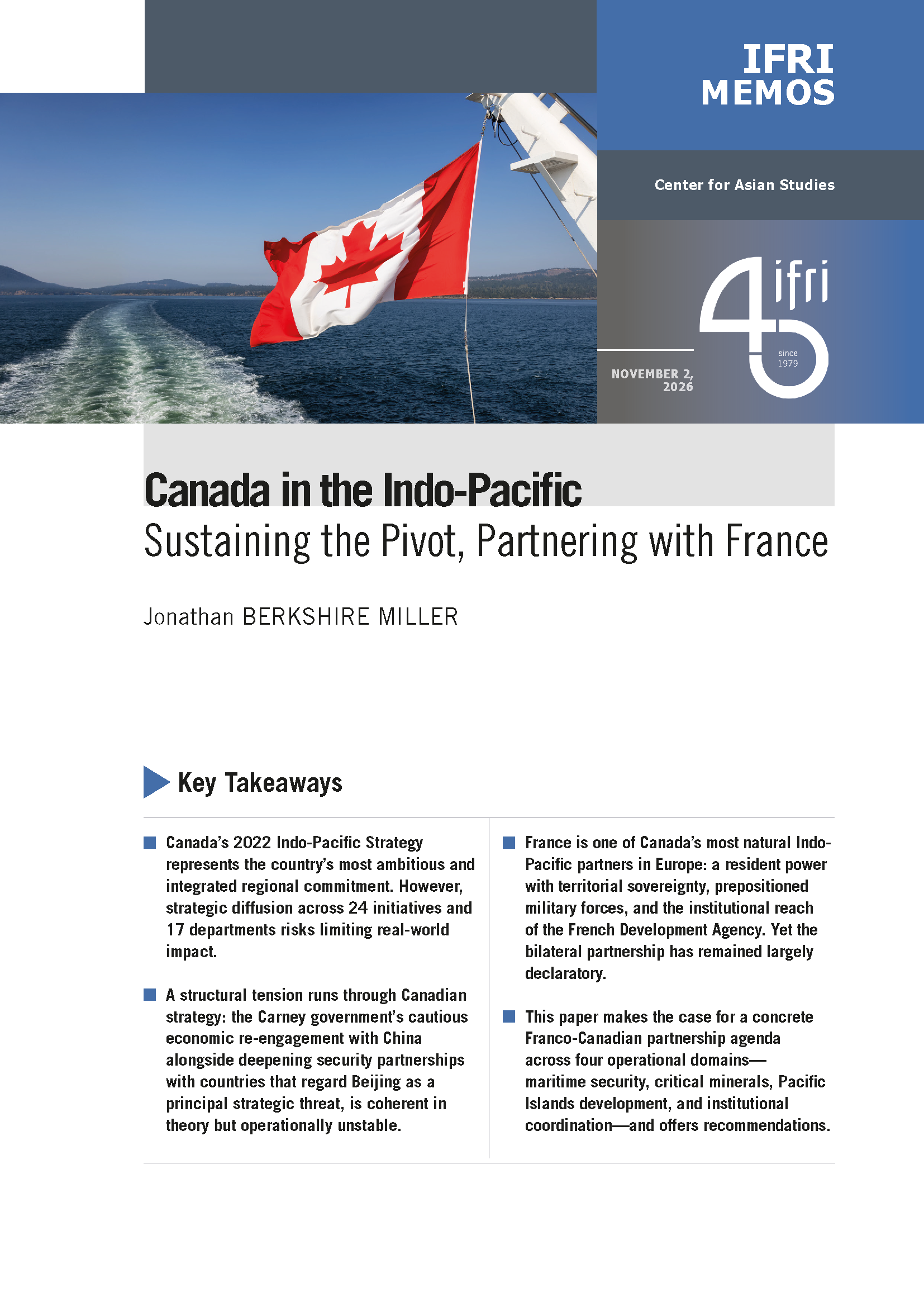
China’s Nuclear Buildup: Developments, Drivers, and Implications for Major-Power Relations and Arms Control
China has been steadily expanding its nuclear arsenal for several years amid levels of geopolitical tension unseen since the end of the Cold War, marked by a resurgence in nuclear proliferation and a broader, global arms race.
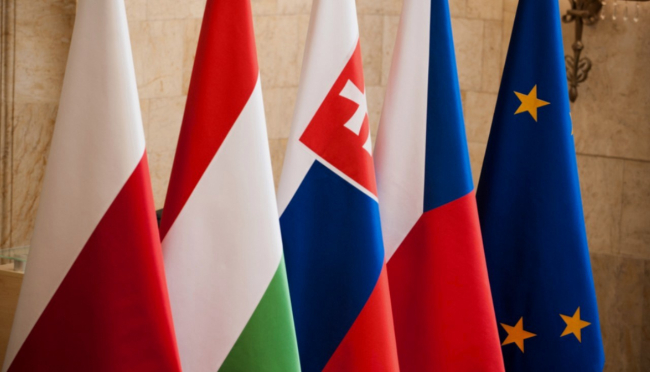
A New Moment for Central Europe? Regional Cooperation in a Time of European Strategic Choices
Recent political developments in Central Europe have revived the debate about the future of regional cooperation and the Visegrád Group. Changes in Hungary, Poland, the Czech Republic and Slovakia, together with Austria’s growing interest in closer cooperation with its neighbours, could create new opportunities for dialogue and coordination around shared priorities.
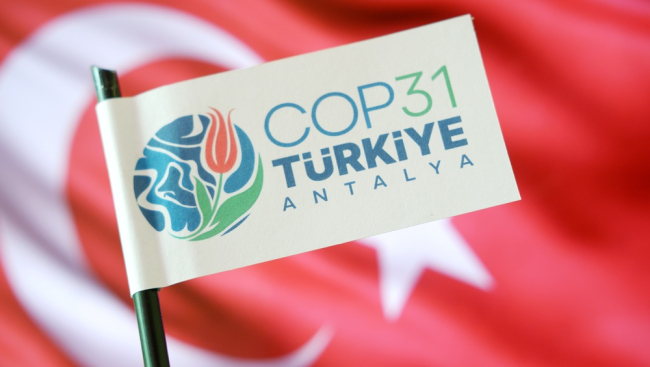
COP31 in Antalya: State of the Global Climate Governance, Issues, Perspectives
COPs have become a year-end marathon to revigorate a world now entering the era of climate overshoot. While Türkiye exhibits the largest coal-fired power generation in OECD Europe, it has embraced the electrification agenda and aims at joining forces with Australia on fostering action and implementation. This is an unusual de facto co-presidency arrangement, but one that could yield promising results. This webinar will take stock of what climate governance has achieved and of the issues still to be negotiated, and explore what impetus this Turkish–Australian partnership could provide.
Titre événement en image
Ifri in Pictures
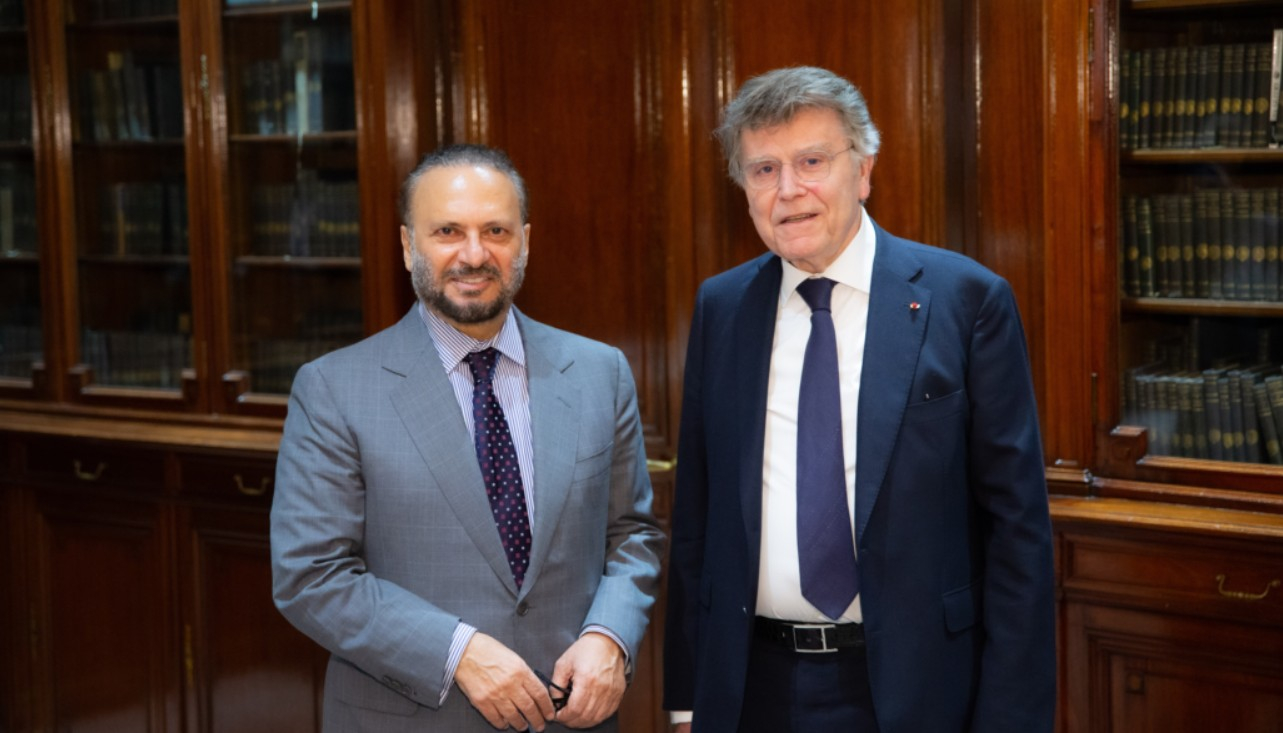
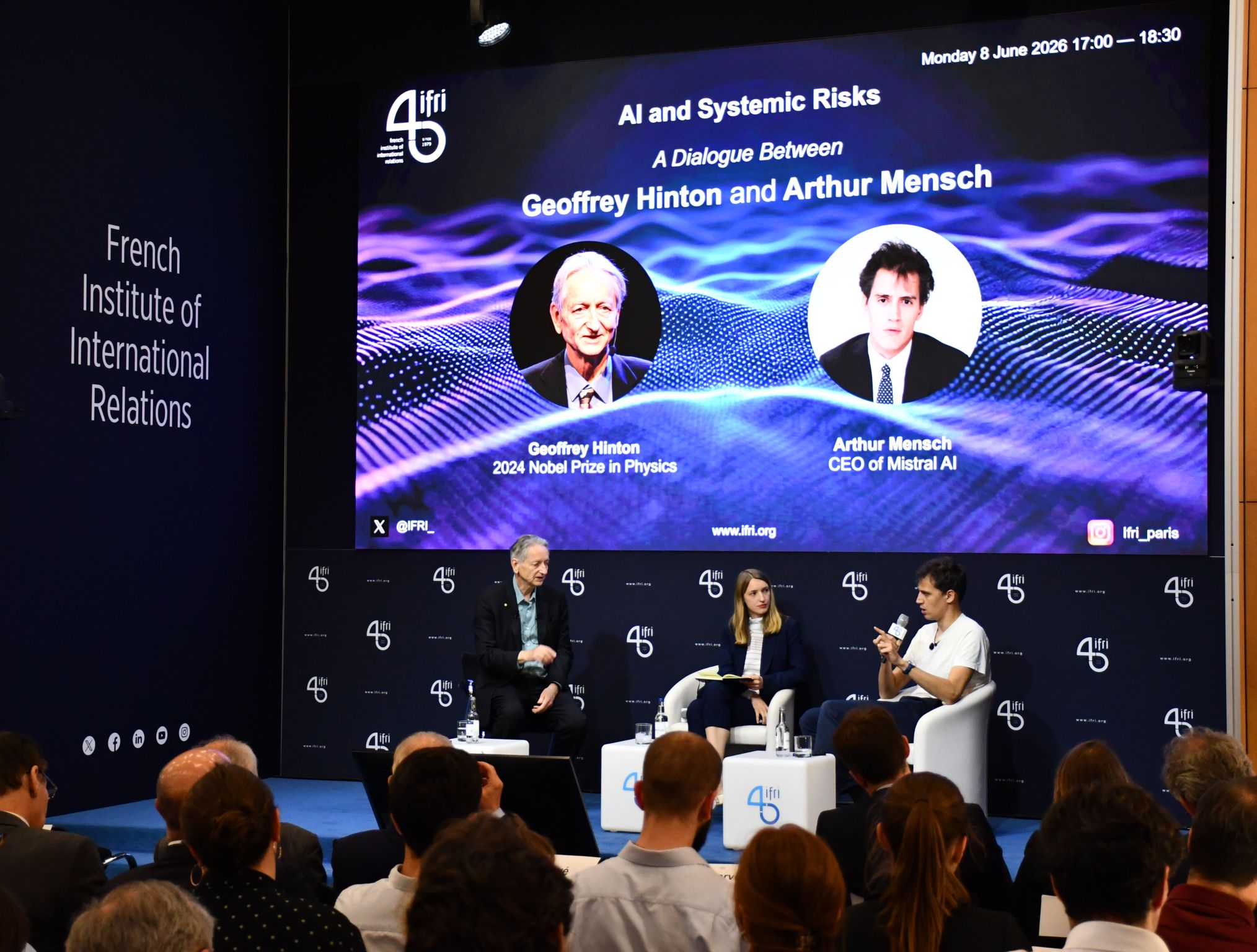
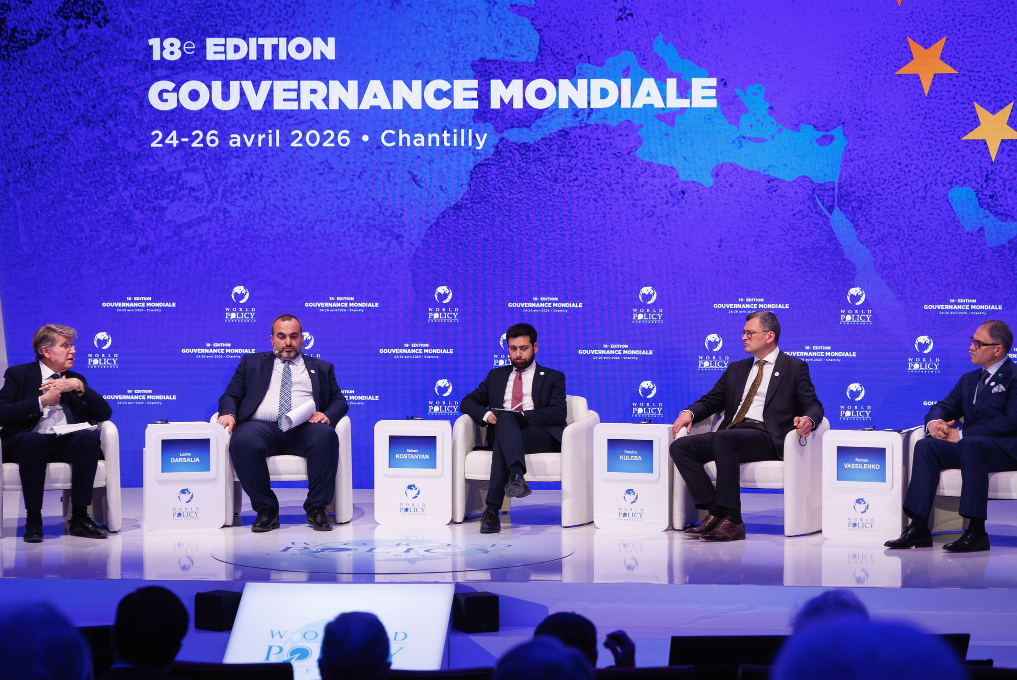
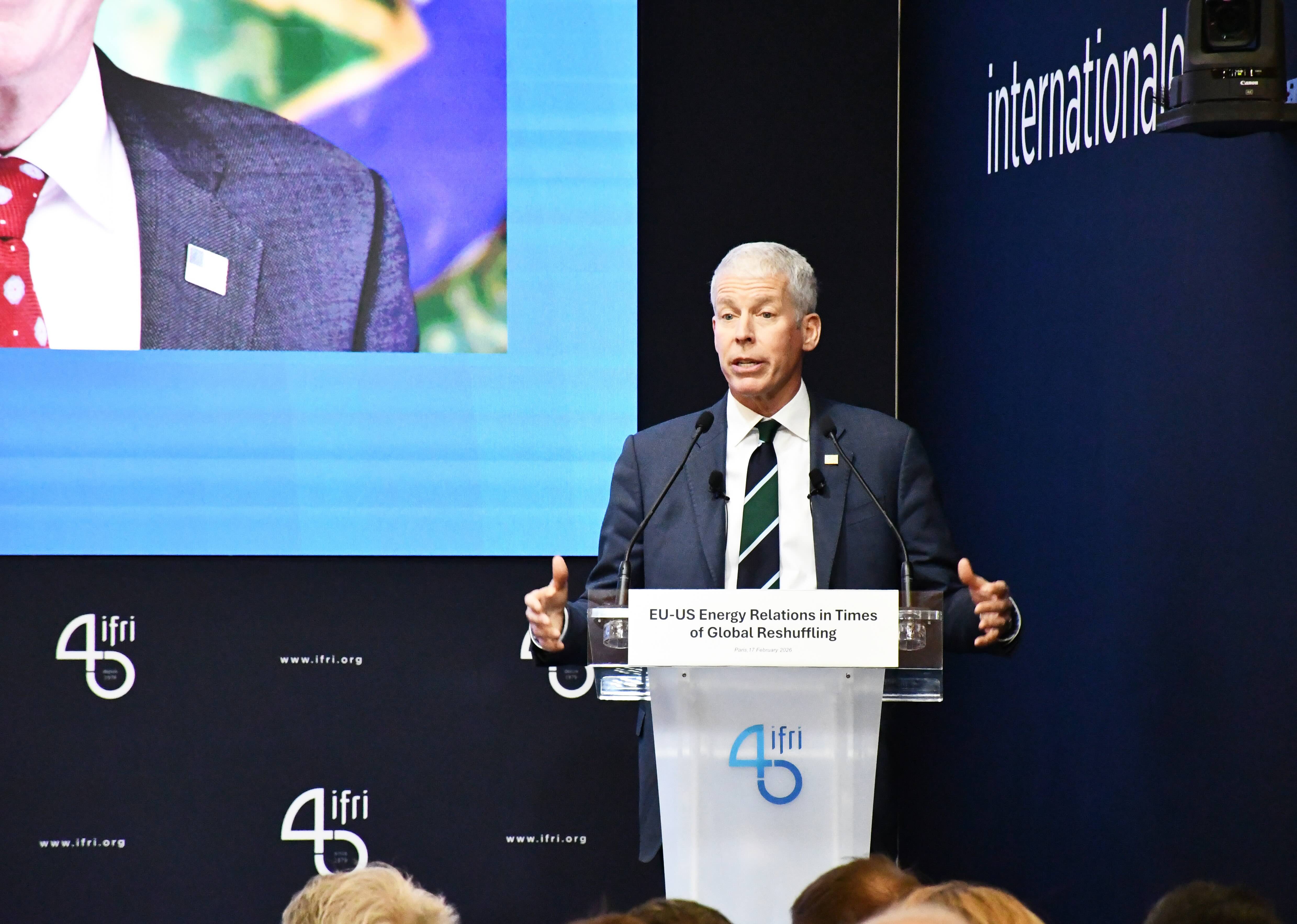
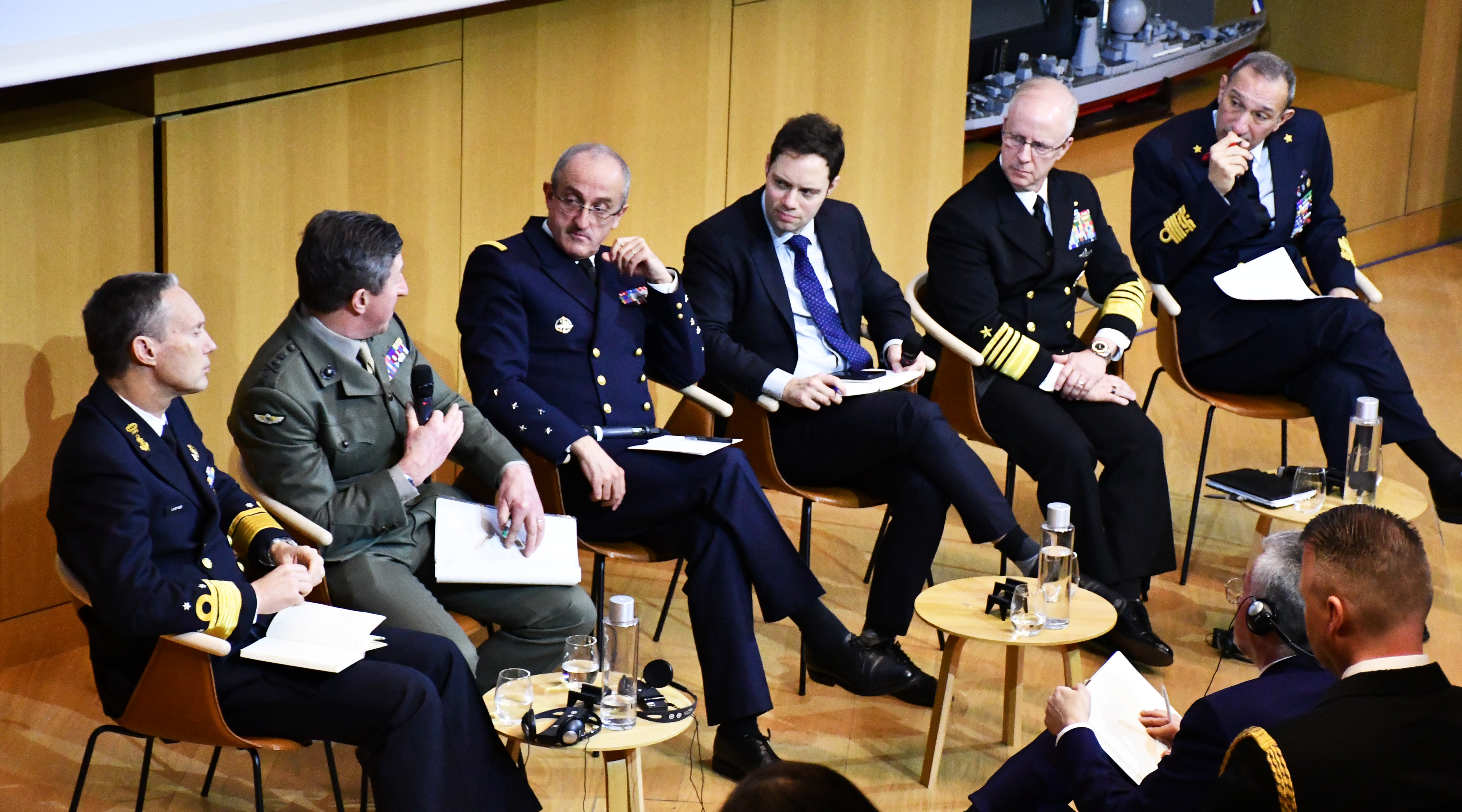
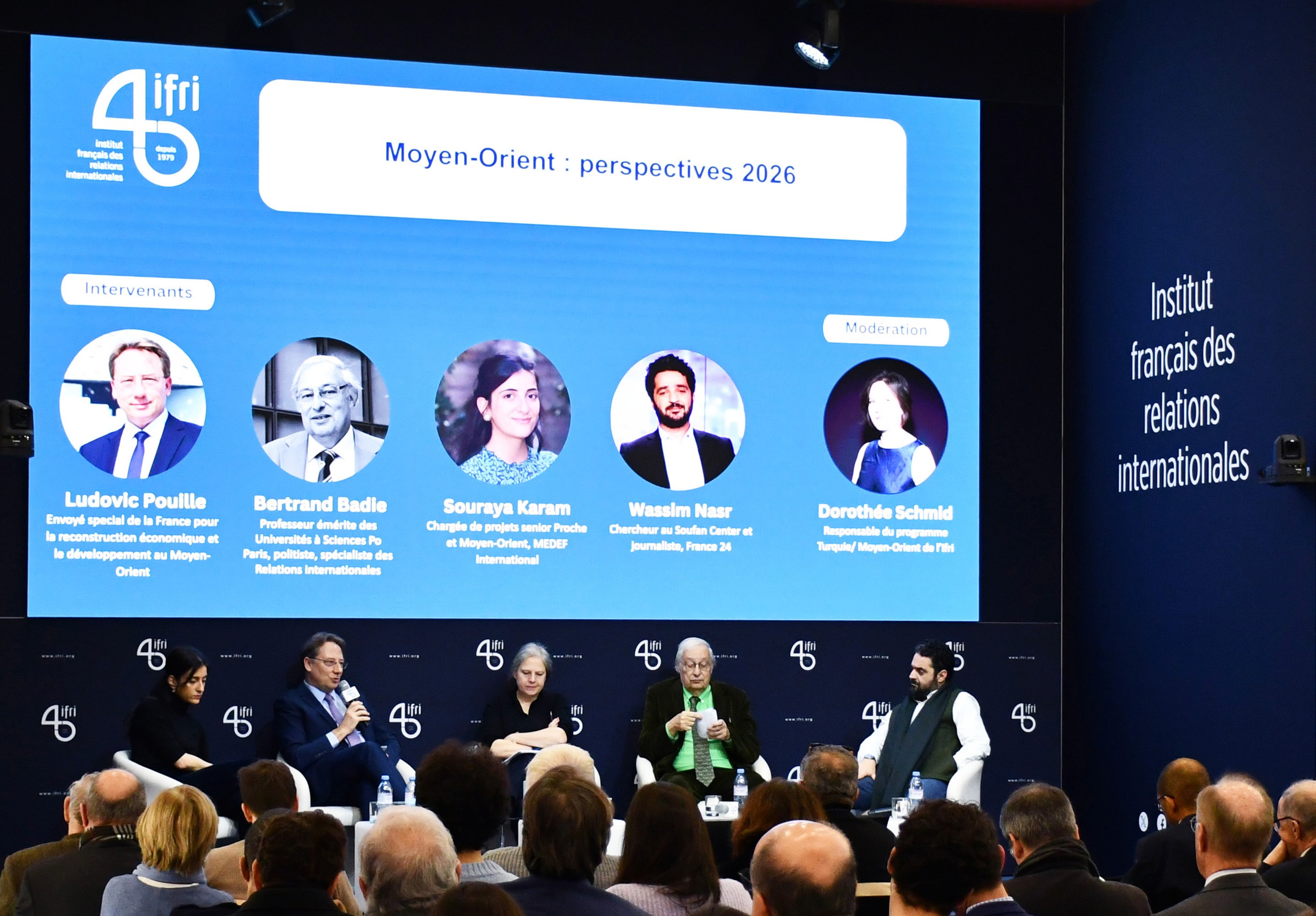
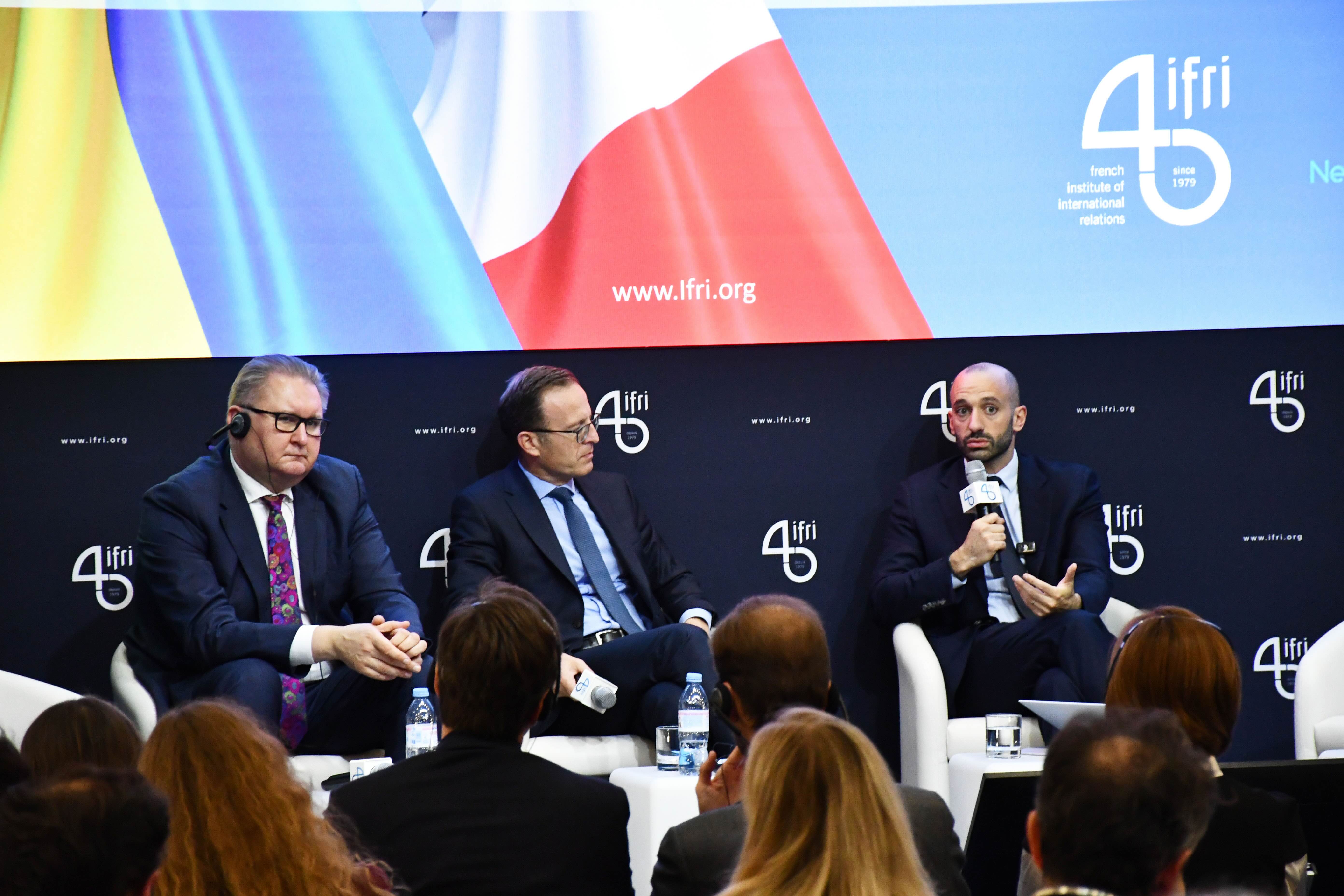
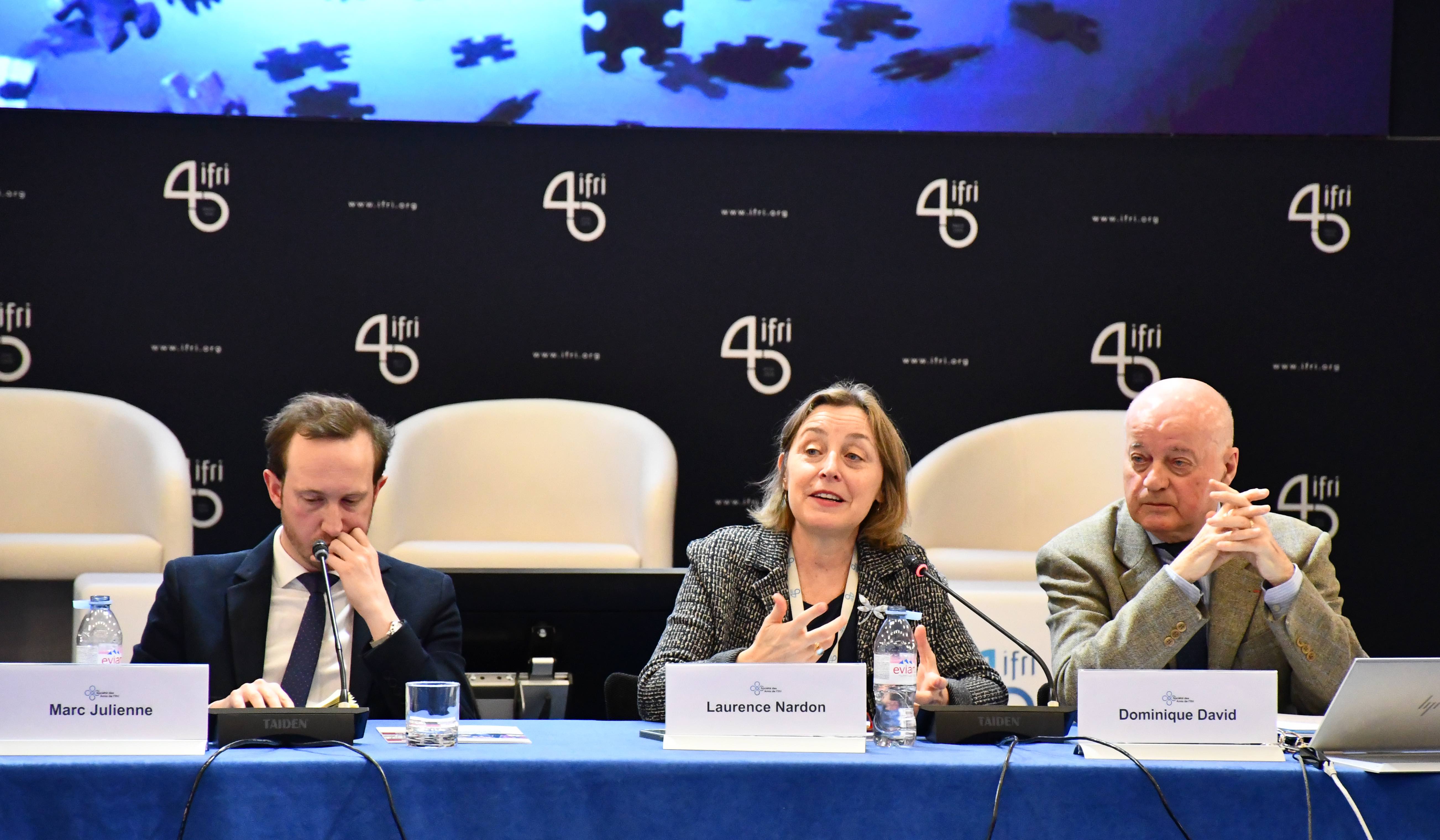
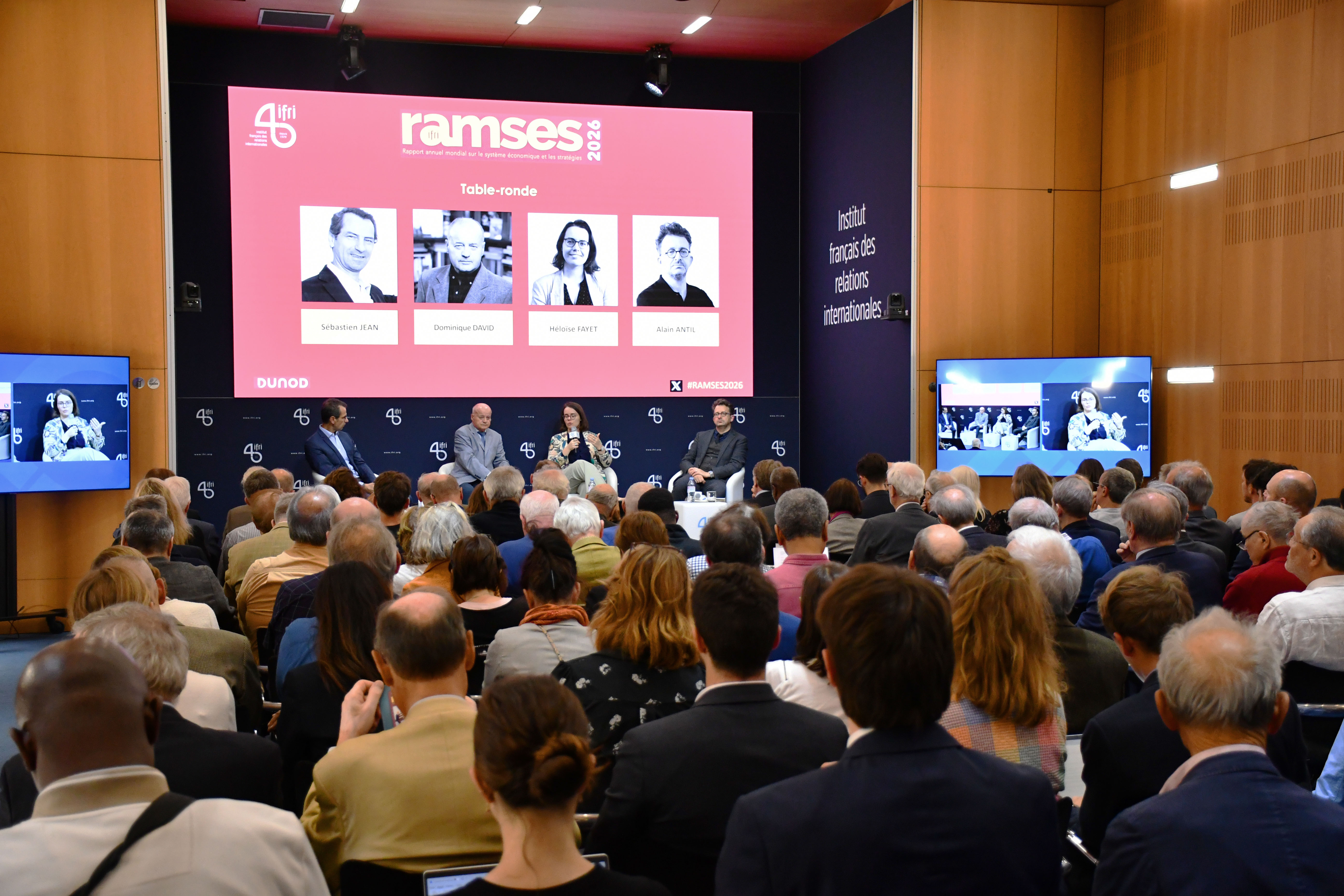
Ifri, a foundation recognized as being of public utility, relies largely on private donors – companies and individuals – to guarantee its sustainability and intellectual independence. Through their funding, donors help maintain the Institute's position among the world's leading think tanks. By benefiting from an internationally recognized network and expertise, donors refine their understanding of geopolitical risk and its consequences on global politics and the economy. In 2026, Ifri partners with over 90 French and international companies and organizations.