



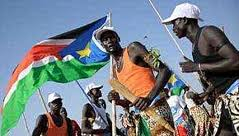
Between Inner Balance and International Standings: Whither Independence for South Soudan?
Practical information
Themes and regions
Related centers and programs
This is a private event.
Learn more about our corporate support packages
Les débats s'articuleront autour de trois tables rondes :
9h30-11h00 : Sud-Soudan et Nord-Soudan : quel face-à-face de deux Etats recomposés ?
Avec Douglas H. Johnson, James Currey ; Raphaëlle Guibert, Université d'Auvergne/université de Nice et Stéphane Gompertz, MAEE
11h30-13h00 : L'impact régional de l'indépendance, de la Corne à l'Afrique centrale et au continent
Avec Roland Marchal, CNRS/CERI ; Frank van Acker, Consultant, Anvers et Markus Hoehne, Max Planck Institut
14h30-17h00 : Construire l'Etat au Sud-Soudan
Avec Christian Delmet, CNRS ; Nicolas Vercken, Oxfam France ; Sophie Vanhaeverbeke, Office d'aide humanitaire de la Commission européenne (ECHO) et Mawan Muortat, commentateur politique soudanais
17h00-17h30 : Conclusions
Laurent d'Ersu, ministère des Affaires étrangères et europénnes
Les interventions auront lieu en français ou en anglais, sans traduction
Retrouvez le programme prévisionnel complet en pièce jointe
Related Subjects
Other events
COP31 in Antalaya: State of the Global Climate Governance, Issues, Perspectives
COPs have become a year-end marathon to revigorate a world now entering the era of climate overshoot. While Türkiye exhibits the largest coal-fired power generation in OECD Europe, it has embraced the electrification agenda and aims at joining forces with Australia on fostering action and implementation. This is an unusual de facto co-presidency arrangement, but one that could yield promising results. This webinar will take stock of what climate governance has achieved and of the issues still to be negotiated, and explore what impetus this Turkish–Australian partnership could provide.
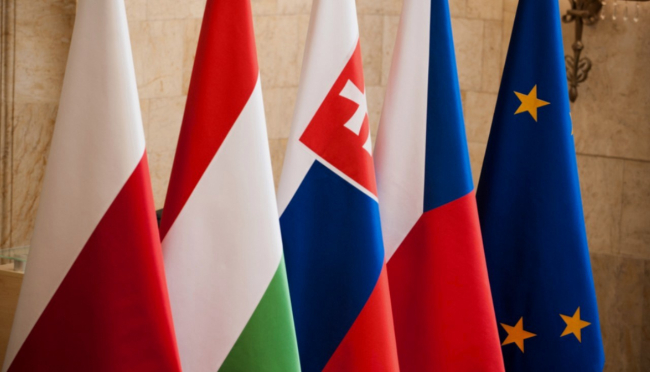
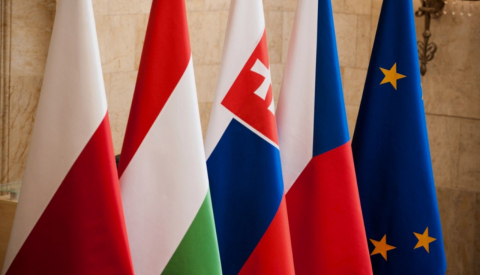
A New Moment for Central Europe? Regional Cooperation in a Time of European Strategic Choices
Recent political developments in Central Europe have revived the debate about the future of regional cooperation and the Visegrád Group. Changes in Hungary, Poland, the Czech Republic and Slovakia, together with Austria’s growing interest in closer cooperation with its neighbours, could create new opportunities for dialogue and coordination around shared priorities.
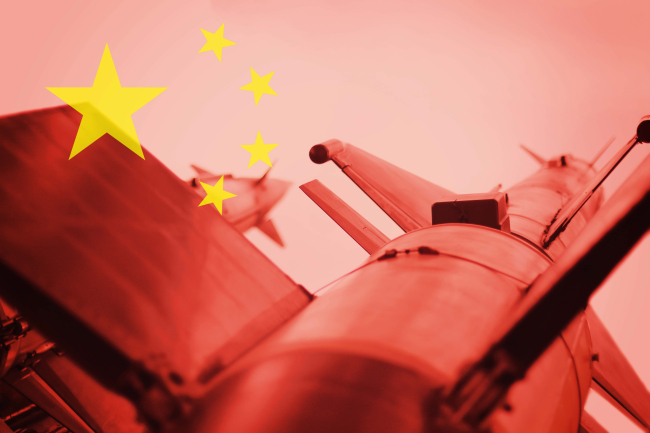
China’s Nuclear Buildup: Developments, Drivers, and Implications for Major-Power Relations and Arms Control
China has been steadily expanding its nuclear arsenal for several years amid levels of geopolitical tension unseen since the end of the Cold War, marked by a resurgence in nuclear proliferation and a broader, global arms race.