


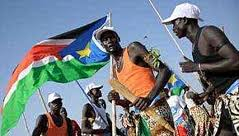
Between Inner Balance and International Standings: Whither Independence for South Soudan?
Practical information
Themes and regions
Related centers and programs
This is a private event.
Learn more about our corporate support packages
Les débats s'articuleront autour de trois tables rondes :
9h30-11h00 : Sud-Soudan et Nord-Soudan : quel face-à-face de deux Etats recomposés ?
Avec Douglas H. Johnson, James Currey ; Raphaëlle Guibert, Université d'Auvergne/université de Nice et Stéphane Gompertz, MAEE
11h30-13h00 : L'impact régional de l'indépendance, de la Corne à l'Afrique centrale et au continent
Avec Roland Marchal, CNRS/CERI ; Frank van Acker, Consultant, Anvers et Markus Hoehne, Max Planck Institut
14h30-17h00 : Construire l'Etat au Sud-Soudan
Avec Christian Delmet, CNRS ; Nicolas Vercken, Oxfam France ; Sophie Vanhaeverbeke, Office d'aide humanitaire de la Commission européenne (ECHO) et Mawan Muortat, commentateur politique soudanais
17h00-17h30 : Conclusions
Laurent d'Ersu, ministère des Affaires étrangères et europénnes
Les interventions auront lieu en français ou en anglais, sans traduction
Retrouvez le programme prévisionnel complet en pièce jointe
Related Subjects
Other events
Role of Intelligence for Political Decision Making
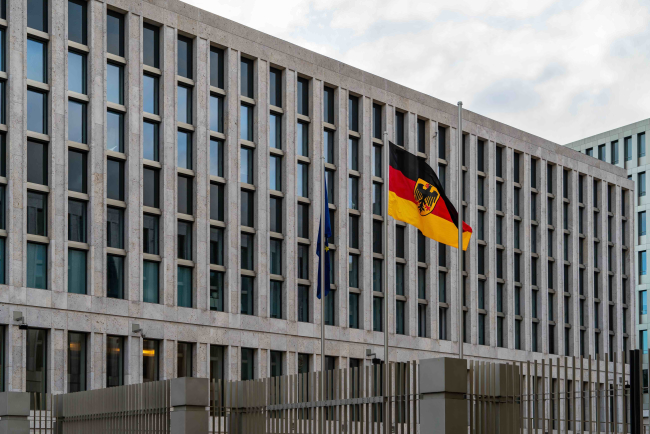
As part of the intelligence-focused BBS, organized in partnership with the Intelligence College in Europe, Ifri welcomes Mr. Philipp Wolff, Coordinator of the German Federal Intelligence services at the Federal Chancellery.
Nuclear Sharing in Europe: A Contested Policy That Endures
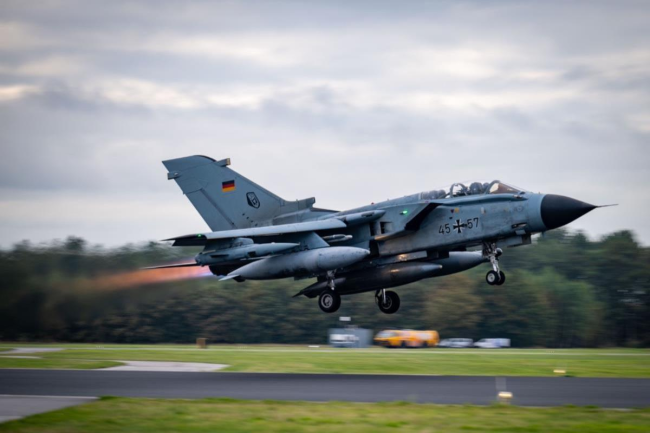
Since the end of the Cold War, the number of US nuclear weapons stationed in Europe has fallen more than seventy-fold, yet their presence in Belgium, Germany, Italy, the Netherlands, and Turkey remains a quiet pillar of NATO's deterrence posture. This "nuclear sharing" arrangement, central to the Alliance since its founding, has long been contested by public opinion, political parties, and civil society across Europe, without ever being abandoned by host governments. This paradox lies at the heart of the seminar: why does such an unpopular policy persist?