




Practical information
Accessibility
Themes and regions
Related centers and programs
This is a private event.
Learn more about our corporate support packages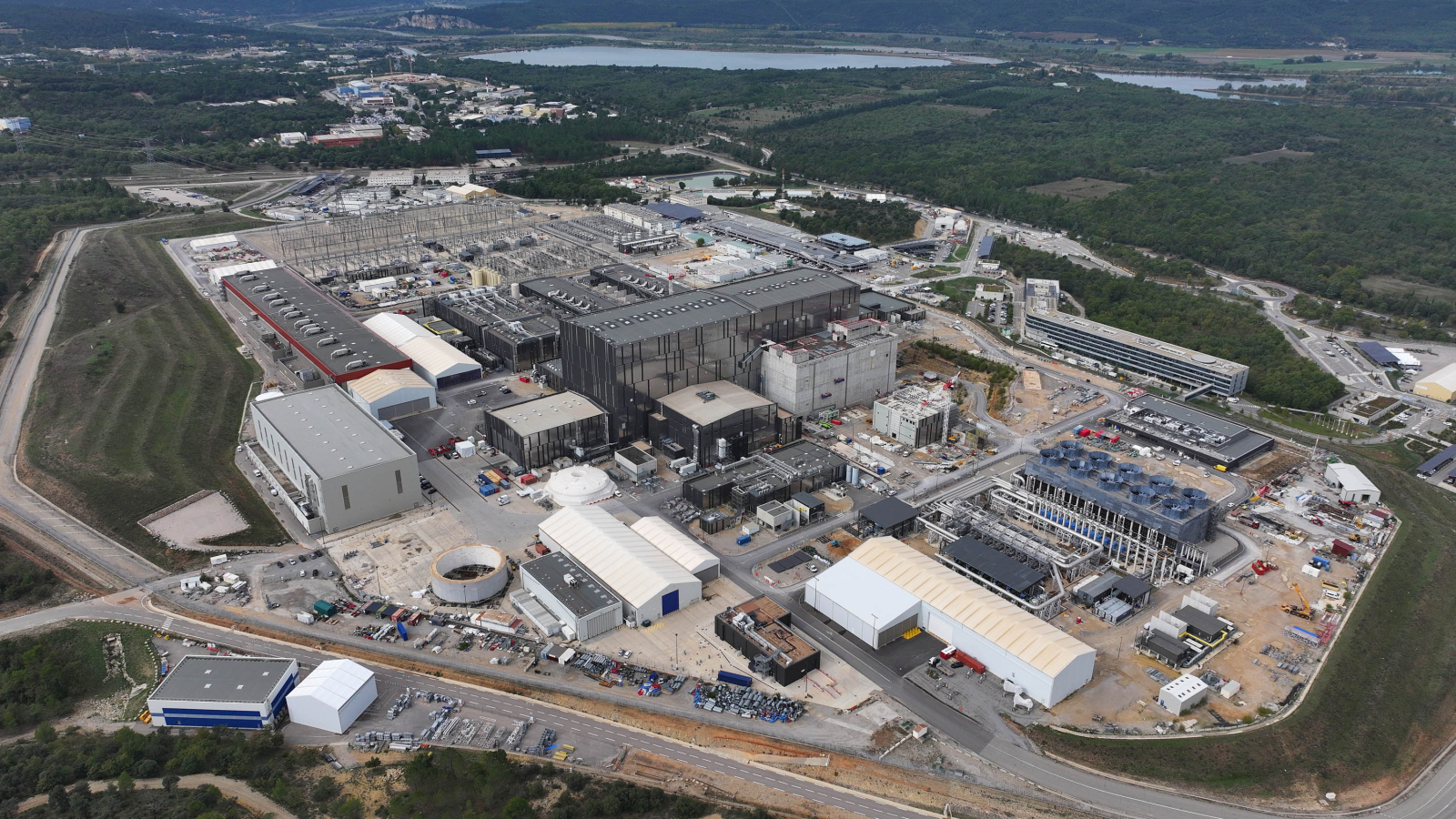
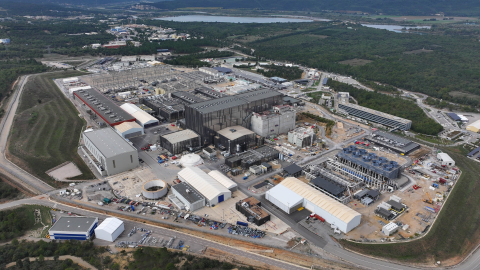
ITER was for long time the embodiment of fusion as an international, long standing R&D cooperation objective to seek a new way to produce safe, low carbon and abundant low carbon electricity. Yet over past years, fusion start ups, several governments and investors have decided to push fusion R&D and deployment to complement ITER. Major efforts are ongoing notably in the United States, China, Germany, Italy. Most attention has been drawn to the Commonwealth Fusion System, its new technology approach, billions in capital raised, and its ongoing construction of a demonstration fusion machine near Boston and the selection of their first 400MW fusion power plant site in Virginia.
This conference will discuss latest technology developments to generate more energy than consumed and stabilize the fusion process, deployment prospects and policy implications, not least amidst France's G7 presidency.
Program:
9:00 - 10:00 | Panel debate with:
- Jennifer Ganten, Chief Global Affairs Officer, Commonwealth Fusion Systems
- Edoardo Fiorentini, Head of Magnetic Fusion Initiatives Development, Eni
- Pierre Védrine, Head of Accelerators, Cryogenics and Magnetism Division at the Institute of Research into the Fundamental Laws of the Universe, Commissariat à l’énergie atomique et aux énergies alternatives
10:00 - 11:00 | Discussion with the participants
Moderation: Marc-Antoine Eyl-Mazzega, Director, Center for Energy and Climate, Ifri
Please note that the event is by invitation only and will be held in English without translation.
Contact
Alexandra BOR
Assistant to the Center for Energy & Climate, Ifri

Related Subjects
Other events
France-Ukraine Forum 2026
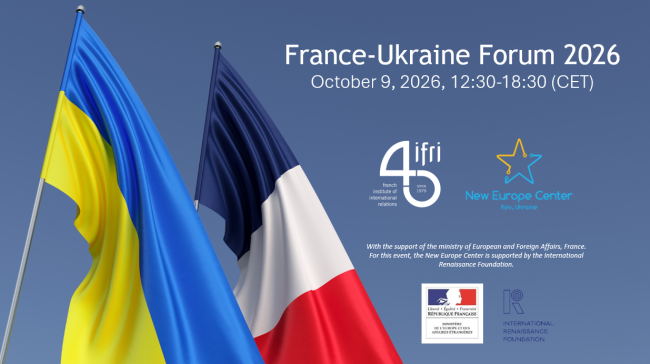
More than four and a half years after the start of the full-scale war launched by Russia against Ukraine, the 2026 France-Ukraine Forum will bring together policymakers, experts, academics, and civil society representatives from both countries to discuss three main topics: the formats and conditions for a lasting diplomatic settlement; Ukraine’s Euro-Atlantic integration, encompassing both the EU accession process and closer ties with NATO; and the societal transformations of postwar Ukraine, as well as its prospects for reconstruction.
The EU in a World of Economic Warfare: Trade, Geopolitics, and the Battle for Economic Sovereignty
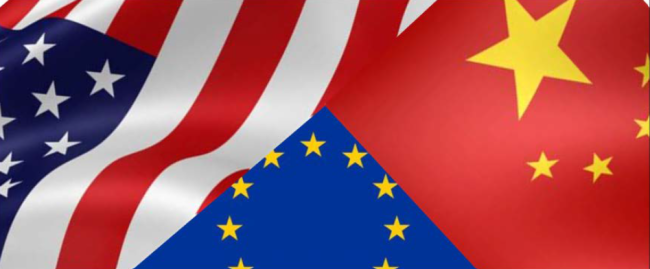
The international trading system has become a primary theatre of geopolitical competition. Tariffs, sanctions, and technology controls have replaced dialogue as the default instruments of economic relations.
The Road to 27 Electrification Action Plans: Planning and Investing in Europe’s Electric Future
The European Commission’s Electrification Action Plan places the continent on an electric path to structurally reduce dependence on fossil fuel imports and boost the energy transition in industry, transport and buildings.