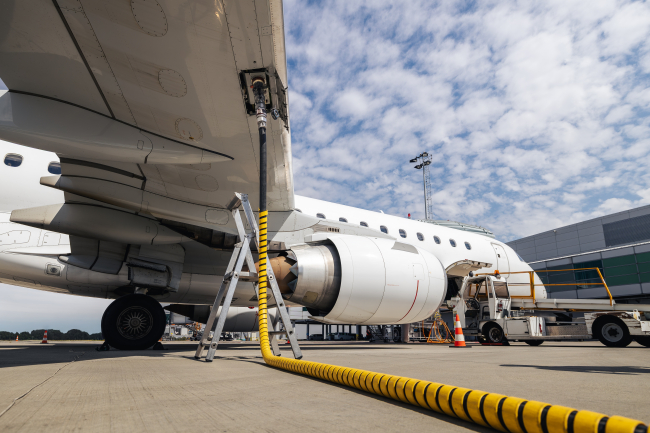
How to Make European e-SAF Production under RefuelEU Aviation Fly?
Three and a half years before the scheduled entry into force of the European regulation ReFuelEU Aviation (RFEUA), which requires aviation fuel suppliers at Union airports to offer a sustainable synthetic alternative (e-SAF), no sizeable commercial production unit (greater than 10,000 tons per year) is active within Europe yet, nor has it even passed the Final Investment Decision (FID). Is a major step in the European Union (EU) plans for decarbonizing air transport at risk of not happening, or at least being postponed for several years? Is Europe losing its bet to create a market for e-SAF? Under what conditions can this bet still be won? Could sovereignty and energy security preoccupations unlock necessary public support and help to overcome economic, financial, logistical or administrative obstacles?

The Strategic Dimension of Skills in the Clean Industrial Deal
In the competitiveness and energy transition battles, the European Union (EU) must master a determinant factor: skills.
Energy Developments in the United Kingdom
The United Kingdom (UK) has traditionally been an example for its neighbours and the world in developing ambitious, innovative and effective energy policies.

Can carbon markets make a breakthrough at COP29?
Voluntary carbon markets (VCMs) have a strong potential, notably to help bridge the climate finance gap, especially for Africa.
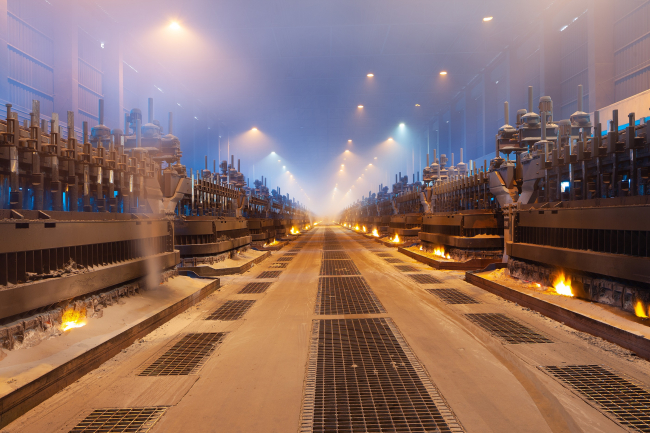
The Aluminum Value Chain: A Key Component of Europe’s Strategic Autonomy and Carbon Neutrality
The United States of America (US), Canada and the European Union (EU) all now consider aluminum as strategic. This metal is indeed increasingly used, especially for the energy transition, be it for electric vehicles (EVs), electricity grids, wind turbines or solar panels.

Decarbonizing European Cities: How to Speed Up and Build Synergies?
Cities are on the front line for enabling governments to meet their commitments under the Paris Agreement. Although cities occupy only 2% of the earth’s surface, they are home to between 50 and 60% of the world’s population (70% by 2050 according to the United Nations), account for two-thirds of the world’s energy consumption and emit 80% of CO2. As an example, the CO2 emissions of the city of Berlin are equal to those of Croatia, Jordan or the Dominican Republic. New York’s total annual CO2 emissions are roughly equivalent to those of Bangladesh. Yet their central role not only for adaptation, but also mitigation, has been recognized lately.
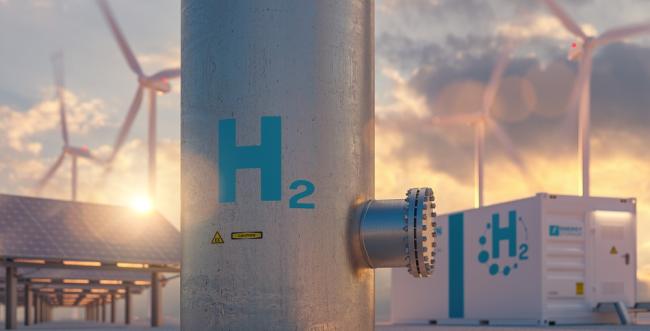
A Guide to Solve EU’s Hydrogen Dilemmas
Facing multiple crises, the European Commission (EC), backed by European Union (EU) Member States, has embarked on a pathway to accelerate the decarbonization of the EU energy system, while fostering its resilience and accelerating the roll out of hydrogen and derivative by-products.

Climate: Which Way Forward?
Thirty years after Rio, the case file “Climate: Which way forward?” assesses current climate commitments, which are undoubtedly less impressive and less certain than the political pronouncements and media fanfare make them seem. A number of fundamental problems remain.

What can we expect from Russia at COP26?
We ask experts whether the Kremlin’s latest moves on climate, including its 2060 net-zero target, heralds genuine change or more greenwash.
Russia has been seen as a climate pariah by the international community for some years. It was one of the last counties to ratify the 2015 Paris Agreement – not until September 2019, at the UN’s Climate Action Summit.
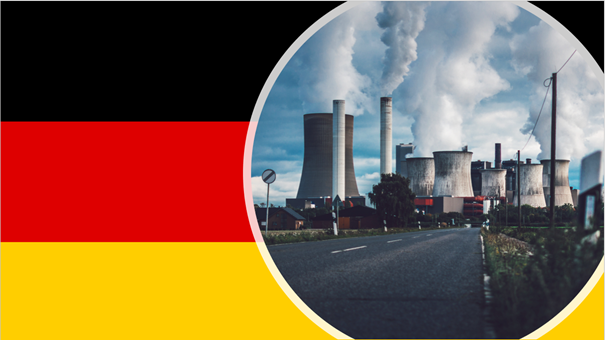
Facing a Wall: Climate in the German Elections and Perspectives for France
All key candidates have climate neutrality by 2045 in sight, yet Germany is preparing to embark on a high-speed decarbonization train that has neither enough power nor rails to lead to its final destination. Beyond slogans and principles, effective strategies have often been missing.

After the Hydrogen Bubble Bursts: The Factors Shaping and Possibly Unfolding International Hydrogen Value Chains
The laws of physics and the geographic realities will prevail over the myths of hydrogen (H2): it will essentially be delivering carbon-neutral feedstocks to the chemical and steelmaking industries, carbon-neutral fuels to shipping and aviation, and eventually ensuring security in fully decarbonized power grids.
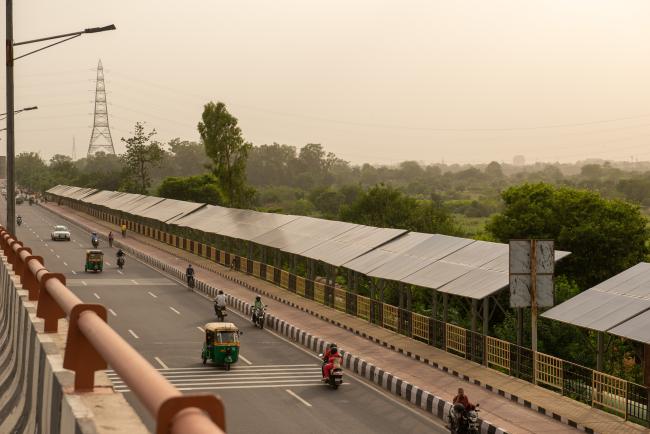
India’s Energy and Climate Policies Post COVID-19: Short Term Slowdown, Longer Term Boom in Renewables
India has long been a positive and committed partner in global and domestic climate change mitigation efforts.
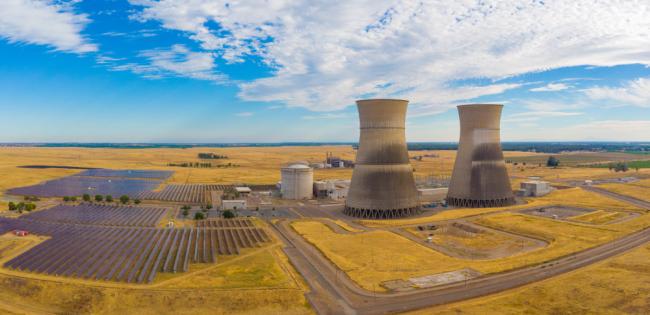
The Herculean Task of Decarbonizing the American Power System by 2035
The Biden Administration has so far taken the focus of the Biden candidate on climate issues seriously, especially the commitment made during the campaign of a net zero power system by 2035.
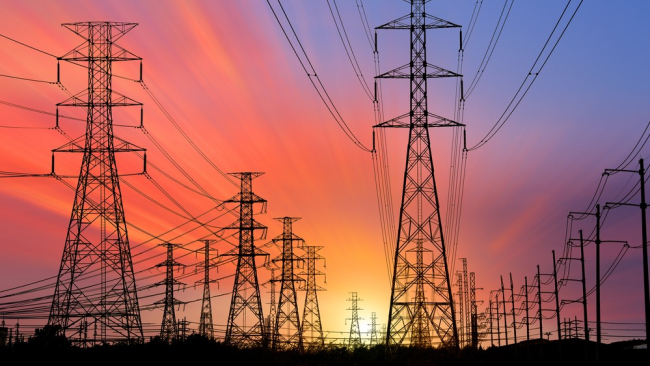
Is the TEN-E Regulation Fit for a Decarbonized Future? A Battle to Shape the European Energy Transition
The European Union’s energy infrastructure policy has become obsolete with the adoption of both the Green Deal and the 2050 climate neutrality target. The ongoing review of the regulation on Trans-European Energy Networks (TEN-E) should lead to an-depth discussion on Europe’s energy transition strategy.
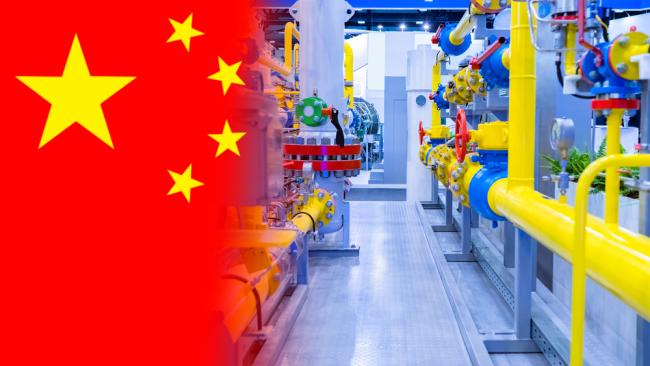
A Review of Recent Trends in China’s Gas Sector and a Glimpse into the 14th Five-Year Plan
China’s economy has rebounded since April 2020 and China is one of the few countries in the world that is expected to avoid a recession in 2020. With low imported gas prices, progress with the gas market liberalization and success in pushing up shale gas production, the window of a golden age for gas has opened up again in China.
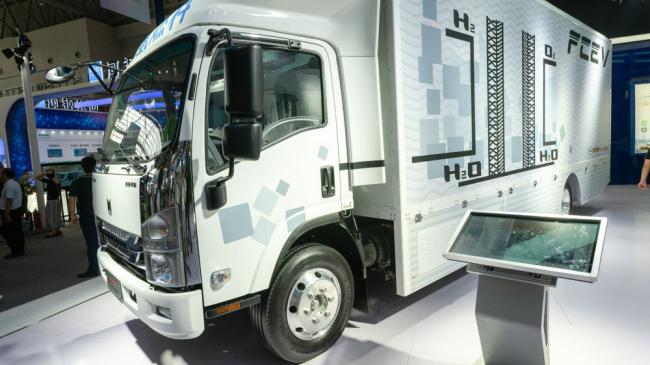
Prospects of a Hydrogen Economy with Chinese Characteristics
This study assesses the prospects of a hydrogen economy with Chinese characteristics. Against the backdrop of an escalating US-China trade war and the ongoing novel coronavirus (COVID-19) pandemic, key Chinese stakeholders become increasingly interested in moving the hydrogen economy agenda forward.

Japan’s Hydrogen Society Ambition: 2020 Status and Perspectives
Japan has been steadfastly promoting the development of its hydrogen economy at all levels: political, diplomatic, economic and industrial. It is yet to be seen if this excitement can be turned into a credible, cost-effective and large scale deployment.
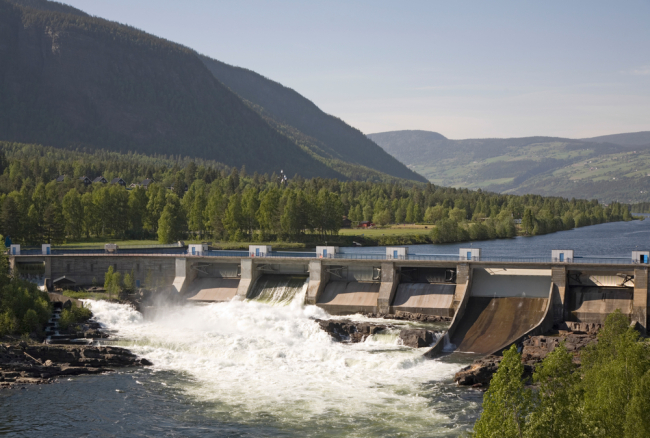
Norway as a Decarbonization Hub for the European Union
The European Union (EU) is committed to reach climate neutrality by 2050. Similarly, Norway aims to create a zero-emission society by that same year.
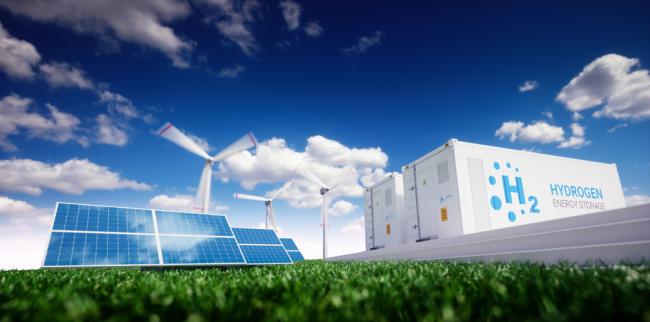
Perspectives on a Hydrogen Strategy for the European Union
There is now a wide understanding that larger use of clean hydrogen in future can be an important mean to achieve decarbonisation of the European economy.
The European Power System - Decarbonization and Cost Reduction: Lost in Transmissions?
Europe’s energy policy is commonly defined by three axes of equal importance: security of supplies, competitiveness and sustainable development. The European Commission is mandated to develop the policy tools that allow the implementation of this common policy. Early on, challenges arose from the trade-offs to be made not only between these three pillars but also between a common European policy and national approaches. The European Commission has always had to struggle in attempting to keep a balanced line.
How to Make European e-SAF Production under RefuelEU Aviation Fly?
Three and a half years before the scheduled entry into force of the European regulation ReFuelEU Aviation (RFEUA), which requires aviation fuel suppliers at Union airports to offer a sustainable synthetic alternative (e-SAF), no sizeable commercial production unit (greater than 10,000 tons per year) is active within Europe yet, nor has it even passed the Final Investment Decision (FID). Is a major step in the European Union (EU) plans for decarbonizing air transport at risk of not happening, or at least being postponed for several years? Is Europe losing its bet to create a market for e-SAF? Under what conditions can this bet still be won? Could sovereignty and energy security preoccupations unlock necessary public support and help to overcome economic, financial, logistical or administrative obstacles?
The Strategic Dimension of Skills in the Clean Industrial Deal
In the competitiveness and energy transition battles, the European Union (EU) must master a determinant factor: skills.
Energy Developments in the United Kingdom
The United Kingdom (UK) has traditionally been an example for its neighbours and the world in developing ambitious, innovative and effective energy policies.
Can carbon markets make a breakthrough at COP29?
Voluntary carbon markets (VCMs) have a strong potential, notably to help bridge the climate finance gap, especially for Africa.
The Aluminum Value Chain: A Key Component of Europe’s Strategic Autonomy and Carbon Neutrality
The United States of America (US), Canada and the European Union (EU) all now consider aluminum as strategic. This metal is indeed increasingly used, especially for the energy transition, be it for electric vehicles (EVs), electricity grids, wind turbines or solar panels.
Decarbonizing European Cities: How to Speed Up and Build Synergies?
Cities are on the front line for enabling governments to meet their commitments under the Paris Agreement. Although cities occupy only 2% of the earth’s surface, they are home to between 50 and 60% of the world’s population (70% by 2050 according to the United Nations), account for two-thirds of the world’s energy consumption and emit 80% of CO2. As an example, the CO2 emissions of the city of Berlin are equal to those of Croatia, Jordan or the Dominican Republic. New York’s total annual CO2 emissions are roughly equivalent to those of Bangladesh. Yet their central role not only for adaptation, but also mitigation, has been recognized lately.
After the Hydrogen Bubble Bursts: The Factors Shaping and Possibly Unfolding International Hydrogen Value Chains
The laws of physics and the geographic realities will prevail over the myths of hydrogen (H2): it will essentially be delivering carbon-neutral feedstocks to the chemical and steelmaking industries, carbon-neutral fuels to shipping and aviation, and eventually ensuring security in fully decarbonized power grids.
The Herculean Task of Decarbonizing the American Power System by 2035
The Biden Administration has so far taken the focus of the Biden candidate on climate issues seriously, especially the commitment made during the campaign of a net zero power system by 2035.
Is the TEN-E Regulation Fit for a Decarbonized Future? A Battle to Shape the European Energy Transition
The European Union’s energy infrastructure policy has become obsolete with the adoption of both the Green Deal and the 2050 climate neutrality target. The ongoing review of the regulation on Trans-European Energy Networks (TEN-E) should lead to an-depth discussion on Europe’s energy transition strategy.
Japan’s Hydrogen Society Ambition: 2020 Status and Perspectives
Japan has been steadfastly promoting the development of its hydrogen economy at all levels: political, diplomatic, economic and industrial. It is yet to be seen if this excitement can be turned into a credible, cost-effective and large scale deployment.
Norway as a Decarbonization Hub for the European Union
The European Union (EU) is committed to reach climate neutrality by 2050. Similarly, Norway aims to create a zero-emission society by that same year.
The European Power System - Decarbonization and Cost Reduction: Lost in Transmissions?
Europe’s energy policy is commonly defined by three axes of equal importance: security of supplies, competitiveness and sustainable development. The European Commission is mandated to develop the policy tools that allow the implementation of this common policy. Early on, challenges arose from the trade-offs to be made not only between these three pillars but also between a common European policy and national approaches. The European Commission has always had to struggle in attempting to keep a balanced line.
What can we expect from Russia at COP26?
We ask experts whether the Kremlin’s latest moves on climate, including its 2060 net-zero target, heralds genuine change or more greenwash.
Russia has been seen as a climate pariah by the international community for some years. It was one of the last counties to ratify the 2015 Paris Agreement – not until September 2019, at the UN’s Climate Action Summit.
Ifri, a foundation recognized as being of public utility, relies largely on private donors – companies and individuals – to guarantee its sustainability and intellectual independence. Through their funding, donors help maintain the Institute's position among the world's leading think tanks. By benefiting from an internationally recognized network and expertise, donors refine their understanding of geopolitical risk and its consequences on global politics and the economy. In 2026, Ifri partners with over 90 French and international companies and organizations.