



Practical information
Accessibility
Themes and regions
Related centers and programs
This is a private event.
Learn more about our corporate support packages
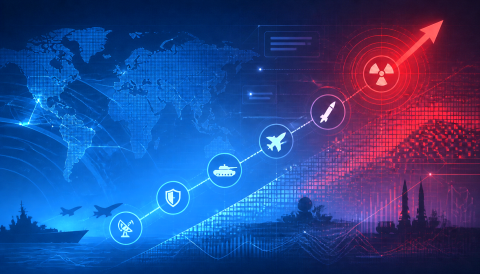
Since the return of high-intensity warfare in Europe and the rise of strategic tensions in the Indo-Pacific, the issue of managing escalation between nuclear powers has taken center stage in U.S. strategic thinking and, to a lesser extent, in the European one.
While deterrence was long viewed primarily as a tool to prevent high-intensity war, a segment of the strategic community is now focusing on the concept of “intra-war deterrence”: the ability to limit escalation once a conflict has begun, particularly to prevent crossing the nuclear threshold. Its implementation requires a specific doctrine as well as capability adjustments within a complex context of multi-domain strategic competition, where conventional, nuclear, cyber, and space dimensions are increasingly intertwined.
Speaker:
John K. Warden, Senior Deterrence Analyst at the Center for Global Security Research (CGSR), Lawrence Livermore National Laboratory (LLNL).
Chair:
Héloïse Fayet, Head of the Deterrence & Proliferation Research Program, Ifri.
Contact
Attendance is by invitation only. If you have any question, please reach out to the Security Studies Center ([email protected]).
Related Subjects
Other events
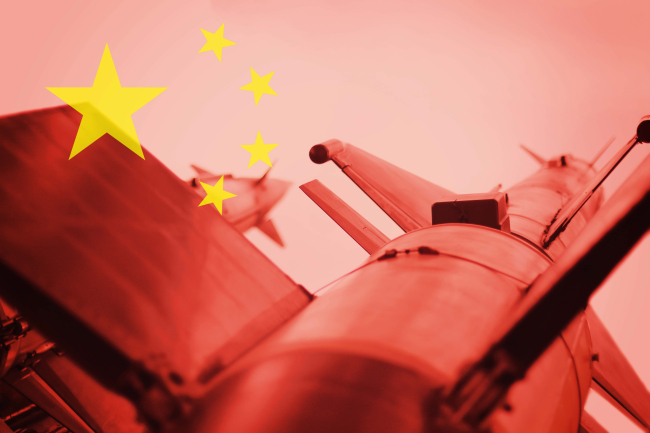
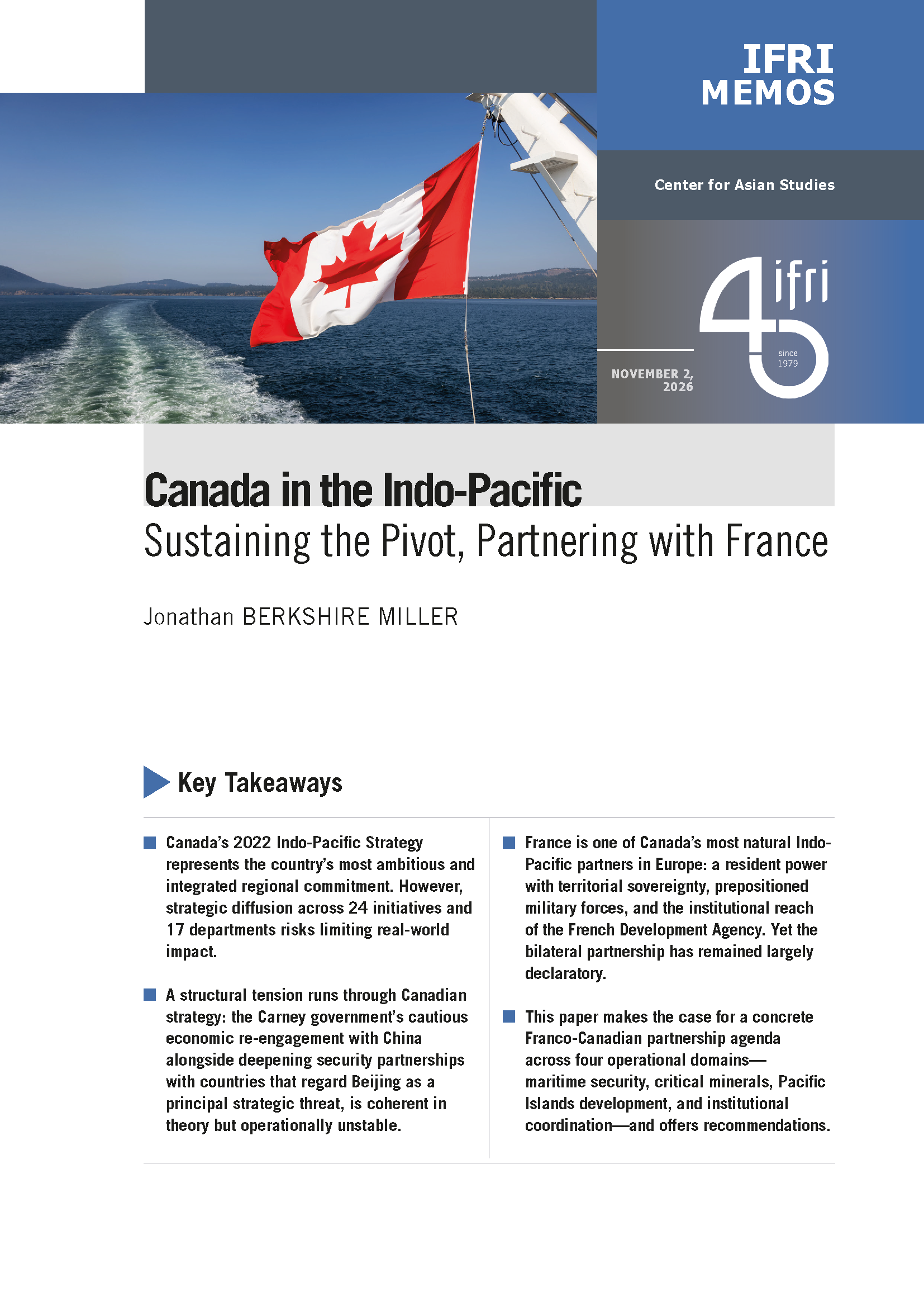
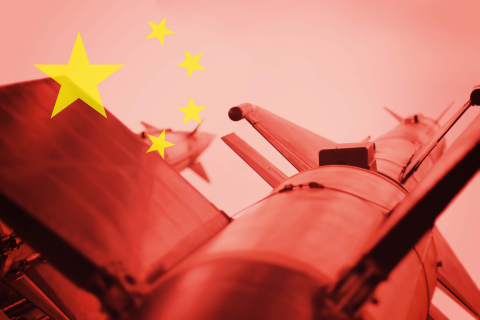
China’s Nuclear Buildup: Developments, Drivers, and Implications for Major-Power Relations and Arms Control
China has been steadily expanding its nuclear arsenal for several years amid levels of geopolitical tension unseen since the end of the Cold War, marked by a resurgence in nuclear proliferation and a broader, global arms race.

Reinventing Coordination in an Age of Fragmentation 3rd Paris Geoeconomic Dialogue
The world economy is being reordered. The certainties of the post-Cold War era, open trade, dollar centrality, predictable multilateral coordination, are giving way to a landscape shaped by rivalry between the United States and China, the weaponization of interdependence, and a scramble to secure supply chains, technologies and critical resources. What once looked like a stable architecture now appears fragile, contested, and in places actively being dismantled.