






Sustaining Multilateralism in a Multipolar World. What France and Germany Can Do to Preserve the Multilateral Order
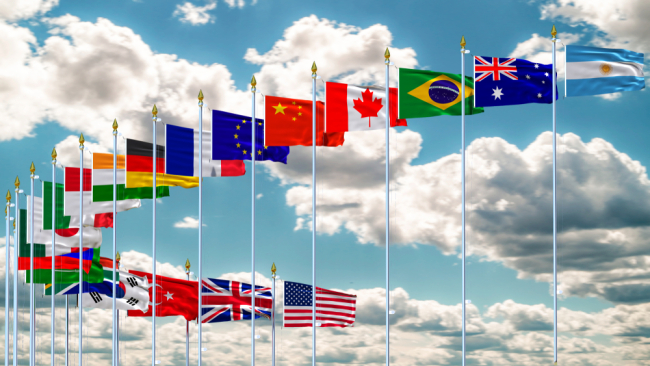
While international multilateralism is under strain, it is vital for France and Germany to defend it, since it is the most appropriate system for preserving their interests – particularly in terms of welfare, security, prosperity and environmental protection. Against this backdrop, three political fields offer opportunities for joint initiatives: trade, conventional arms control and climate change.

Strategic Dimensions of the Energy Transition: Challenges and Responses for France, Germany and the European Union
The low-carbon energy transition in France, the European Union (EU) and the world is today taking place unevenly and too slowly to preserve the climate and biodiversity. CO2 emissions are continuing to rise, while governments’ commitments are insufficient: in the long-term, the world is set to see temperatures increase by +3°C. Efforts to fund adaptation measures still need to be strengthened considerably.
Biogas and Biomethane in Europe: Lessons from Denmark, Germany and Italy
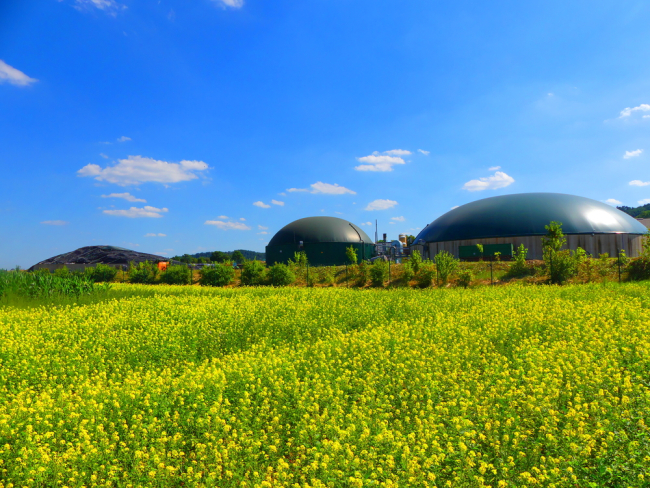
At a time when the European Union (EU) is discussing its long-term climate strategy and drafting new legislation to foster the decarbonization of its gas sector, a close look at the experience of Denmark, Germany and Italy with renewable gas production can provide valuable lessons.
2019-2029: The World in 10 Years
The last four decades have witnessed the profound transformation of the very foundations of the international system: the globalization of trade, technical revolutions, the upheaval of the hierarchy of powers, the emergence of China, the explosion of the Middle-East, the mutation of conflicts and threats, climate concerns, etc.

Possible Energy Transitions through 2029
Renewable energies are experiencing rapid growth, due not only to their limited impact on the environment but also to shrinking costs. To fight climate change, new investments in low carbon technologies are necessary. Apart from its positive aspects, the energy transition carries risks, notably geopolitical. The notion of energy security will be profoundly modified. These risks can be anticipated and managed.
Shaping the Global Governance of Renewables: A Comparative Institutional Analysis
Over the past decade, facilitating the widespread deployment of renewable energy sources (RES) and enabling their integration within the energy systems has become a central priority for various international organizations (IO) and initiatives.
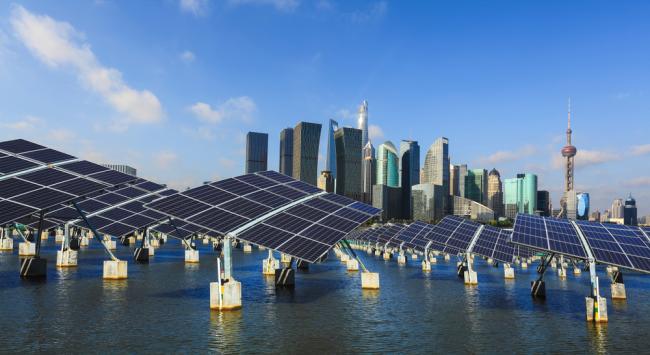
Going Green: Are Chinese Cities Planting the Seeds for Sustainable Energy Systems?
The Global Climate Action Summit held in September 2018 in California has highlighted the importance of cities for promoting clean energy solutions and for combatting climate change. While energy policies in most countries depend primarily on national governments, cities have the possibility to develop and implement innovative solutions and ambitious policies. Chinese cities should be at the core of these developments, as they are confronted with many energy and climate challenges, often at an unprecedented scale: notably air quality, traffic congestion, energy security and massive consumption of building materials. For instance, outdoor air pollution in China has reportedly caused 1 million premature deaths in 2016, and in 2014 only 8 out of 74 Chinese cities would meet the national standards in terms of air quality.
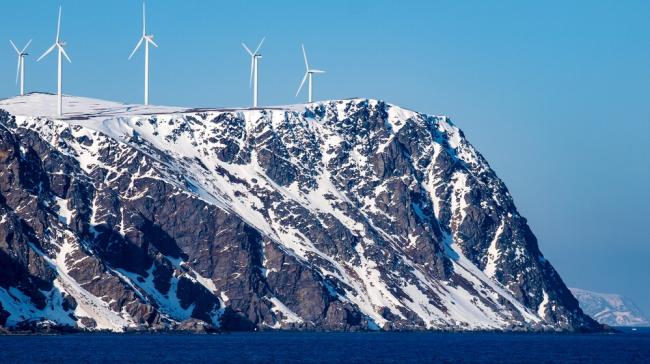
The Arctic: Critical Metals, Hydrogen and Wind Power for the Energy Transition
According to a 2008 estimate, the Arctic hosts approximately 412 billion barrels of oil equivalent of conventional oil and gas resources. And since then, following the so-called shale revolution and technology improvements, numbers have gone even higher.

Japan’s Hydrogen Strategy and Its Economic and Geopolitical Implications
With the Basic Hydrogen Strategy (hereafter, the Strategy) released on December 26, 2017, Japan reiterated its commitment to pioneer the world’s first “Hydrogen Society”. The Strategy primarily aims to achieve the cost parity of hydrogen with competing fuels, such as gasoline in transport and Liquified Natural Gas (LNG) in power generation.
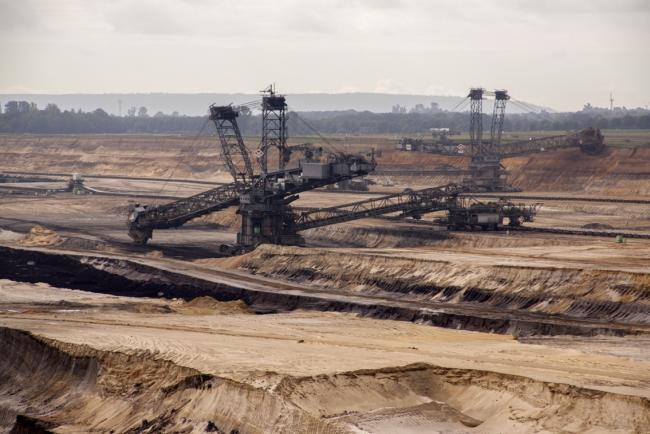
Coal Exit or Coal Expansion? A Review of Coal Market Trends and Policies in 2017
Coal in the power sector is the principal focus of climate-related policies due to its high carbon intensity, making CO2 emissions from coal a leading contributor to climate change.


Wind of change as France faces end of era
A few months ago French environment minister Nicolas Hulot took the trip of almost 100m to the top of a wind turbine funded partly by a co-operative of poultry farmers. Back on the ground, he found the right analogy to tell his audience why the country needs plenty more of the same.
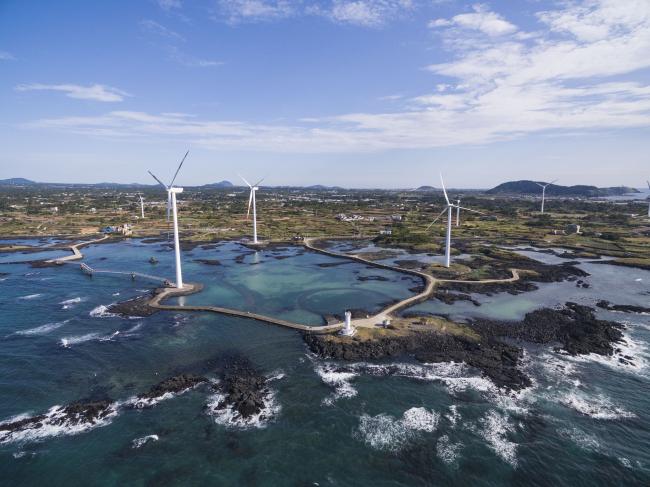
South Korea's New Electricity Plan. Cosmetic Changes or a Breakthrough for the Climate?
Shortly after his inauguration in May 2017, the President of South Korea, Moon Jae-In, announced a major policy shift away from nuclear and coal power, and toward renewables and gas. This would have meant a complete U-turn from previous policies, considering that nuclear and coal produced 40% and 30% respectively of Korea’s total electricity in 2016.
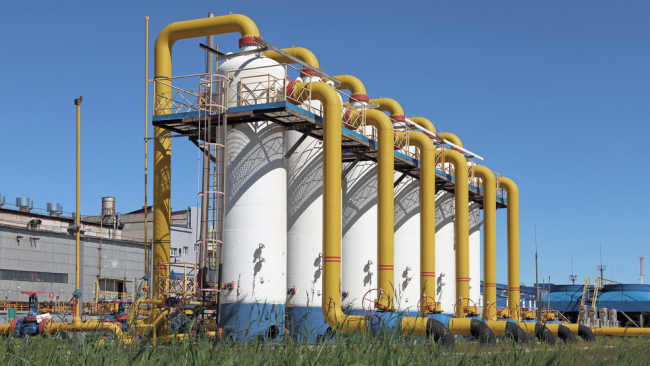
The Role of Gas in the European Energy Transition: Challenges and Opportunities
Following difficult years for the European gas industry, natural gas is back to the front stage.
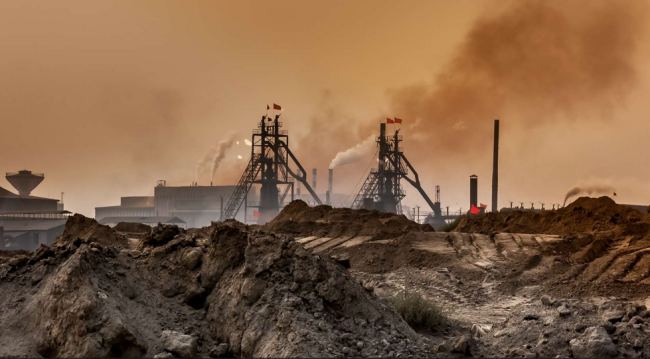
The Energy Transition and the Challenge of Critical Raw Materials
The geopolitical analyses of energy markets are traditionally focused on fossil fuels, and less on renewable energy sources.
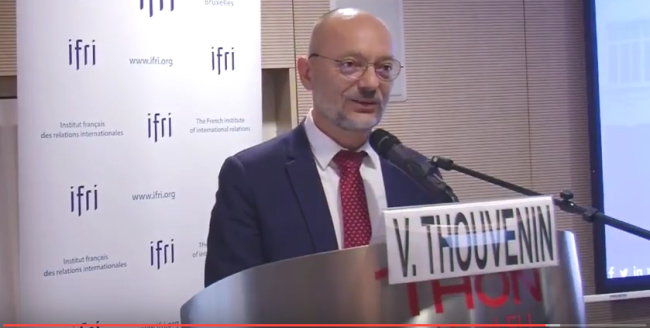
RTE and the transformation of the European electricity system - Keynote Address by Vincent THOUVENIN
Vincent Thouvenin, Director for European Affairs of RTE, explains the role and challenges faced by transmission system operators in the energy transition at the 2030 horizon, and how the Clean Energy Package will accompany the transformation of our electricity systems.
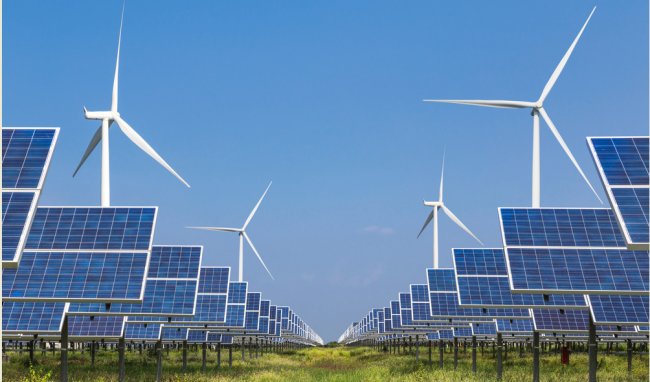
The Landscape of Renewable Energy Sources in Europe in 2030
The study analyses the European rules designed to promote renewable energy, highlighting their innovations and the difficulties they will raise. The study highlights the consequences of some of the measures envisaged and pays particular attention to the electricity market.
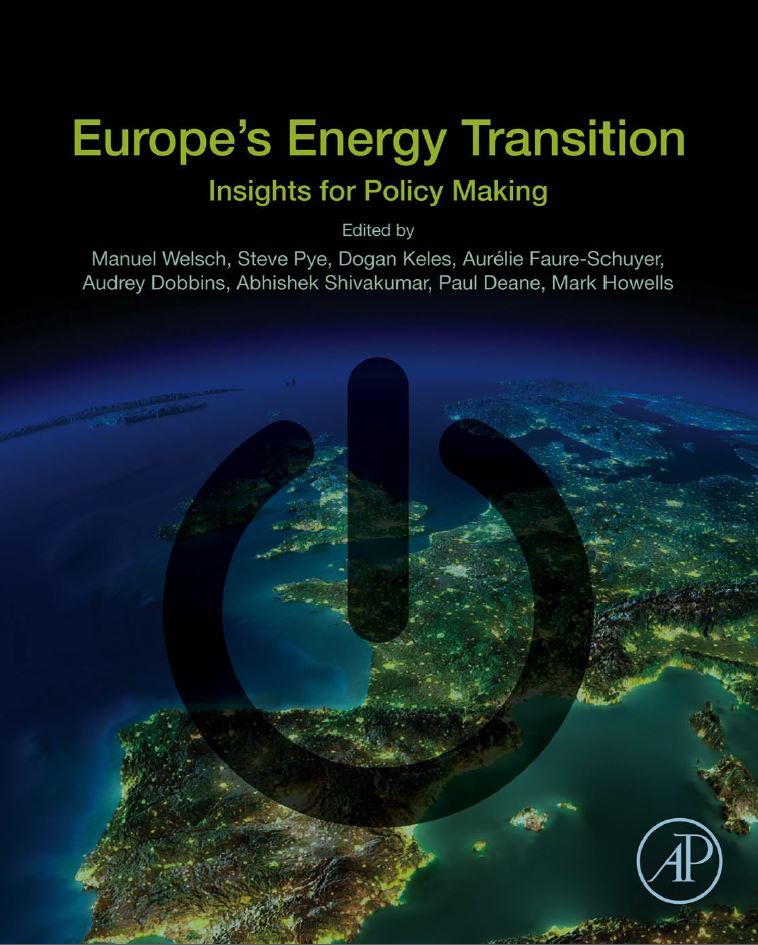
Europe's Energy Transition - Insights for Policy Making
This book was authored by the Insight_e European consortium, in which the Ifri Center for Energy was involved between 2014 and 2017. It is based on the key research projects carried out over the last three years on the Energy Union, greenhouse gas emissions reduction policies, security of gas and electricity supplies and the societal dimensions of the energy transition.
France: Reducing Nuclear Dominance and Promoting a Low Carbon Energy System
This chapter covering the French energy transition model is part of a broader study conducted by the Institute of Advanced Sustainability Studies (IASS), in preparation of the German Presidency of the G20. Based on the analysis of fourteen national strategies, the IASS study considers the potential of the G20 to shape a global transition to sustainable energy, urgently needed in order to achieve the United Nations' climate and sustainability goals.
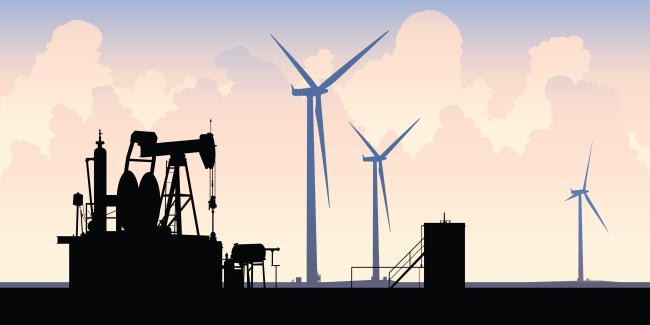
The Energy Transition in a Scenario of Sustained Low Fossil Fuel Prices
This HET report assesses the impact of sustained low fossil fuel prices on the transition to a low carbon energy system.
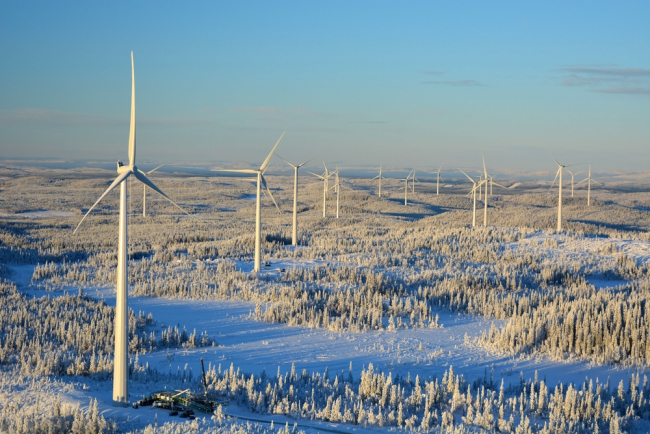
The Energy Transition in Sweden
This study analyses the evolutions of Sweden's energy choices, including in terms of nuclear power policy, carbon tax and renewable energies development. Considered as one of the most outstanding example of successful energy transition, Sweden might well face difficulties similar to those of other European countries in the near future.
Ifri, a foundation recognized as being of public utility, relies largely on private donors – companies and individuals – to guarantee its sustainability and intellectual independence. Through their funding, donors help maintain the Institute's position among the world's leading think tanks. By benefiting from an internationally recognized network and expertise, donors refine their understanding of geopolitical risk and its consequences on global politics and the economy. In 2026, Ifri partners with over 90 French and international companies and organizations.
