





Europe at the Crossroads of DefTech: Rethinking the European Defense Innovation Ecosystem
“The way I look at Iron Dome is as the ultimate manifestation of the future of the United States’ role in future conflicts, which is not to be the world police, but to be the world gun store,” said Palmer Luckey in November 2023. Luckey is the founder of Anduril, one of the most prominent DefTech companies. The ambition is clear: to participate in global rearmament by capitalizing on the quality of American innovations and to dominate the arms market—at least in the West—through technological mastery.
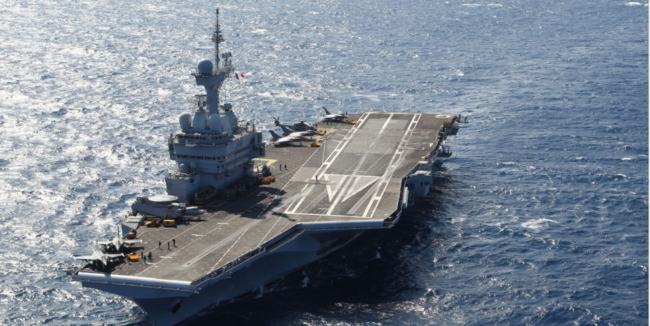
The Future of Europe’s Strategic Deterrence is (also) at Sea
A cursory look at both France and the UK suggests that the future of European nuclear deterrence is at sea.


An Engine Replacement Could Kill Europe’s Huge F-35 Plans
If the decision to replace the engine for the F-35A is implemented, countries flying F-35s will find themselves forced into unforeseen and overly complicated supply chains.
Brexit: What Happened? What is Going to Happen?
The Brexit referendum demonstrated the fundamental reticence of the British to embrace the ethos underpinning the European construction, the powerlessness of politicians to explain it clearly to the public, the particular difficulties of the main political parties involved, as well as the development of a specifically English nationalist sentiment.
Europe at the Crossroads of DefTech: Rethinking the European Defense Innovation Ecosystem
“The way I look at Iron Dome is as the ultimate manifestation of the future of the United States’ role in future conflicts, which is not to be the world police, but to be the world gun store,” said Palmer Luckey in November 2023. Luckey is the founder of Anduril, one of the most prominent DefTech companies. The ambition is clear: to participate in global rearmament by capitalizing on the quality of American innovations and to dominate the arms market—at least in the West—through technological mastery.
The Future of Europe’s Strategic Deterrence is (also) at Sea
A cursory look at both France and the UK suggests that the future of European nuclear deterrence is at sea.
An Engine Replacement Could Kill Europe’s Huge F-35 Plans
If the decision to replace the engine for the F-35A is implemented, countries flying F-35s will find themselves forced into unforeseen and overly complicated supply chains.
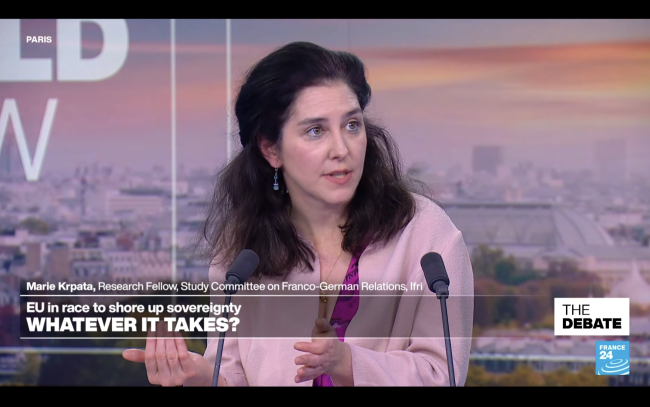
Whatever it takes? EU in race to shore up sovereignty
Can Europe man the ramparts on its own? As the US war secretary snubbed a NATO defence ministers' meeting in Brussels, EU leaders converged on the 16th-century Alden Biesen castle in Belgium's Limburg province to answer former Italian prime minister Mario Draghi's call for a "big bazooka" approach to reform and competitiveness.

The European Pillar of Security
Leo Litra and Lesia Ogryzko are joined by Élie Tenenbaum and Oleksandr Sushko to discuss June’s NATO summit—and what Europe’s security step up means for Ukraine.
Ifri, a foundation recognized as being of public utility, relies largely on private donors – companies and individuals – to guarantee its sustainability and intellectual independence. Through their funding, donors help maintain the Institute's position among the world's leading think tanks. By benefiting from an internationally recognized network and expertise, donors refine their understanding of geopolitical risk and its consequences on global politics and the economy. In 2026, Ifri partners with over 90 French and international companies and organizations.
