




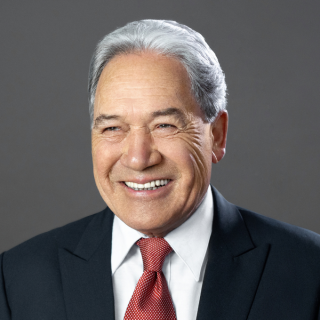
Lunch Debate with Winston Peters, Deputy Prime Minister and Minister of Foreign Affairs of New Zealand
Executive Chairman’s Events
Practical information
Themes and regions
This is a private event.
Learn more about our corporate support packages
Discussion co-chaired by Thierry de Montbrial, Executive Chairman of Ifri, member of the Academy of Moral and Political Sciences, and Marc Hecker, Deputy Director of Ifri (in English without translation).
Deputy Prime Minister and Minister of Foreign Affairs, Rt Hon Winston Peters, will speak about New Zealand’s Foreign Policy Reset, which focusses on the Indo-Pacific in a shifting world order, and what it means for its relationship with France, in Paris and in the Pacific.
The Deputy Prime Minister will accentuate the role of, and need for, more diplomacy to meet the serious global and regional security challenges facing France and New Zealand.
He will emphasise the need for greater collaborative work required to meet the challenges faced in the Pacific. He will also offer his thoughts on New Caledonia’s place in the Pacific - and affirm New Zealand’s role as a friend to all parties and its interest in a new equilibrium there.

Contact
For more information, please contact Doïna Romanenko, Director of Ifri's Executive Chairman Office ([email protected])
Related Subjects
Other events
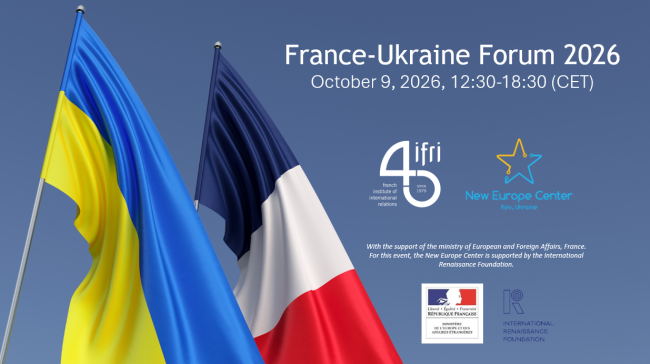
France-Ukraine Forum 2026
More than four and a half years after the start of the full-scale war launched by Russia against Ukraine, the 2026 France-Ukraine Forum will bring together policymakers, experts, academics, and civil society representatives from both countries to discuss three main topics: the formats and conditions for a lasting diplomatic settlement; Ukraine’s Euro-Atlantic integration, encompassing both the EU accession process and closer ties with NATO; and the societal transformations of postwar Ukraine, as well as its prospects for reconstruction.
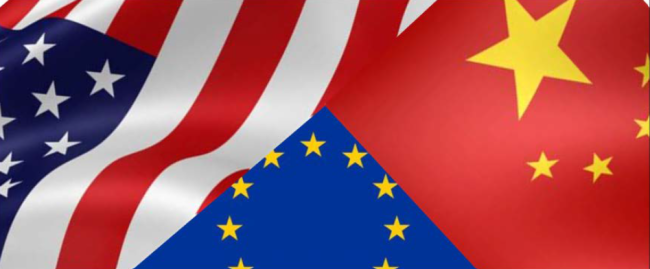
The EU in a World of Economic Warfare: Trade, Geopolitics, and the Battle for Economic Sovereignty
The international trading system has become a primary theatre of geopolitical competition. Tariffs, sanctions, and technology controls have replaced dialogue as the default instruments of economic relations.
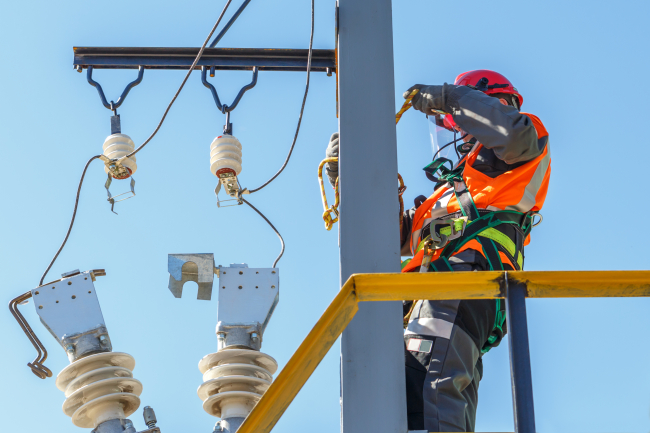
The Road to 27 Electrification Action Plans: Planning and Investing in Europe’s Electric Future
The European Commission’s Electrification Action Plan places the continent on an electric path to structurally reduce dependence on fossil fuel imports and boost the energy transition in industry, transport and buildings.