Internal disagreements are just as serious a problem as external pressure from the US and Russia
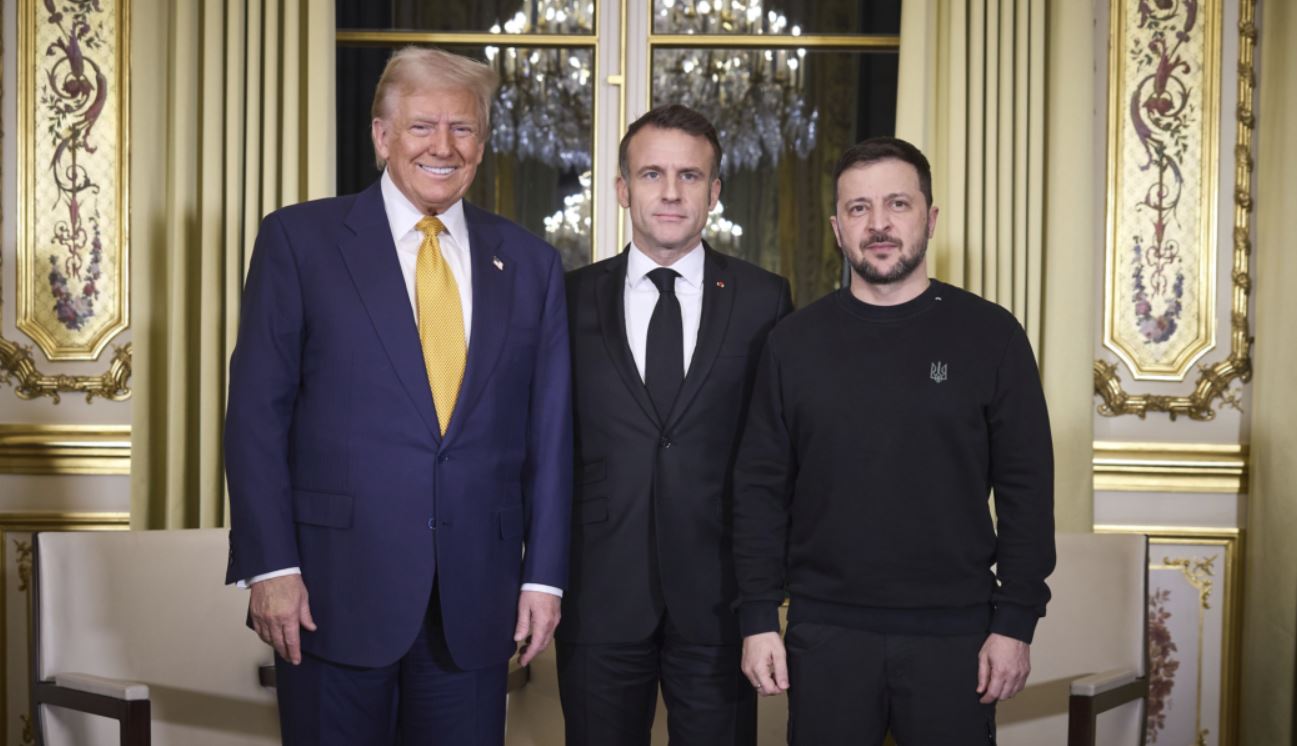
Welcome back. President Donald Trump’s formula for ending the war in Ukraine — direct US-Russian talks over the heads of European governments, never mind Kyiv — may or may not work. But it is exactly what most European leaders have been dreading since Trump’s election in November.
An unreliable America, a hostile Russia and difficulties piling up on virtually all Europe’s borders — the world in 2025 is rapidly turning into a source of threats more serious than Europeans have known in generations. What can be done?
The US — an ‘ally-turned-bully’
Reading a range of experts’ views this week, I’m left with three impressions. First, there is widespread agreement on the nature of the problem. Second, there is no shortage of proposals, some more useful than others, for action. And third, a formidable obstacle to implementing any of these proposals is disunity among the Europeans themselves.
[...]
Hard-right parties
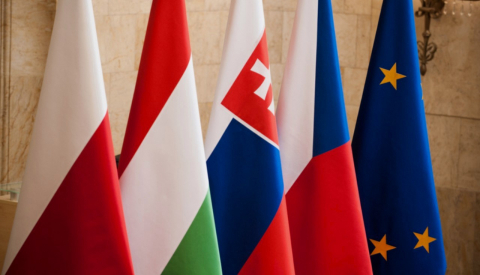
European disunity is exacerbated by political and economic troubles in Germany — where elections will take place next weekend — and France, not to mention the rise of hard-right parties elsewhere that are either in government or exerting considerable pressure on policymaking from outside.
Texte citation
Paul Maurice of the French Institute of International Relations says:
“These situations create a leadership vacuum in key countries, complicating collective decision-making at EU level.”
“These situations create a leadership vacuum in key countries, complicating collective decision-making at EU level.”

Secretary General of the Study Committee on Franco-German Relations (Cerfa), Ifri
>> Read the article on the Financial Times website

Media:

Reporter(s):
Format
Share
Authors

Paul MAURICE
Secretary General of the Study Committee on Franco-German Relations (Cerfa), Ifri