
Transatlantic Cooperation
Related Subjects
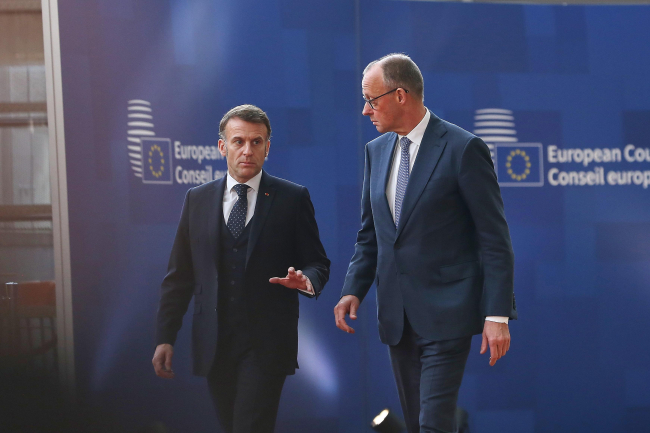
Paris and Berlin in search of a compass: convergences and divergences in foreign policy in a world lacking points of orientation
France and Germany now share the same assessment of a world lacking clear beacons—a world marked by American disengagement under a second Trump administration, the Russian threat looming toward 2030, and the need to reduce dependencies on China.
MAGA and AfD: Toward a Transatlantic Alliance of Nationalist Right-Wing Parties
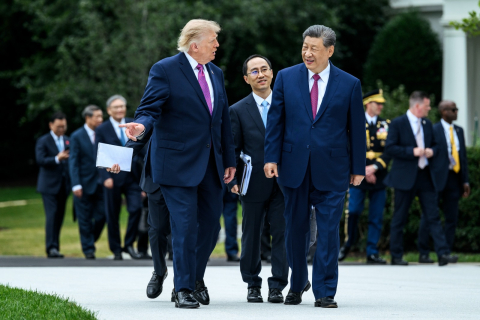
The rapprochement between Donald Trump’s MAGA movement and Germany’s AfD has accelerated significantly since Trump’s return to the White House.
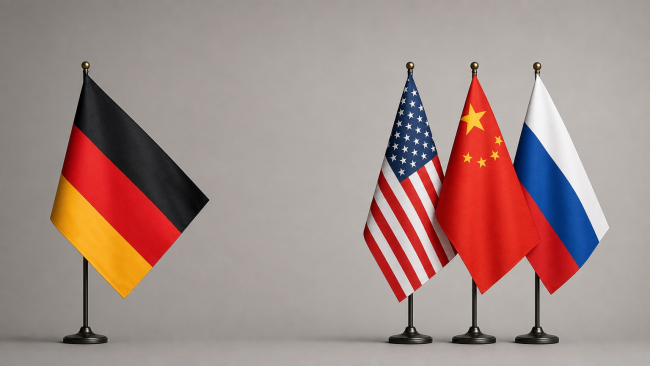
Germany in the Shadow of the United States, Russia, and China – Systemic Paradigm Shifts
Since reunification, Germany has built its prosperity on an international order based on free trade, multilateralism, and geopolitical stability. This model relied on three relationships considered complementary: U.S. military protection, Russian energy supplies, and economic integration with China. For several decades, Berlin viewed these interdependencies as factors contributing to peace, growth, and security.
Paris and Berlin in search of a compass: convergences and divergences in foreign policy in a world lacking points of orientation
France and Germany now share the same assessment of a world lacking clear beacons—a world marked by American disengagement under a second Trump administration, the Russian threat looming toward 2030, and the need to reduce dependencies on China.
MAGA and AfD: Toward a Transatlantic Alliance of Nationalist Right-Wing Parties
The rapprochement between Donald Trump’s MAGA movement and Germany’s AfD has accelerated significantly since Trump’s return to the White House.
Germany in the Shadow of the United States, Russia, and China – Systemic Paradigm Shifts
Since reunification, Germany has built its prosperity on an international order based on free trade, multilateralism, and geopolitical stability. This model relied on three relationships considered complementary: U.S. military protection, Russian energy supplies, and economic integration with China. For several decades, Berlin viewed these interdependencies as factors contributing to peace, growth, and security.
Ifri, a foundation recognized as being of public utility, relies largely on private donors – companies and individuals – to guarantee its sustainability and intellectual independence. Through their funding, donors help maintain the Institute's position among the world's leading think tanks. By benefiting from an internationally recognized network and expertise, donors refine their understanding of geopolitical risk and its consequences on global politics and the economy. In 2026, Ifri partners with over 90 French and international companies and organizations.