




Navigating War, Reforms, and Secure Future: Ukraine’s EU and NATO Accession Path
Practical information
Themes and regions
Related centers and programs
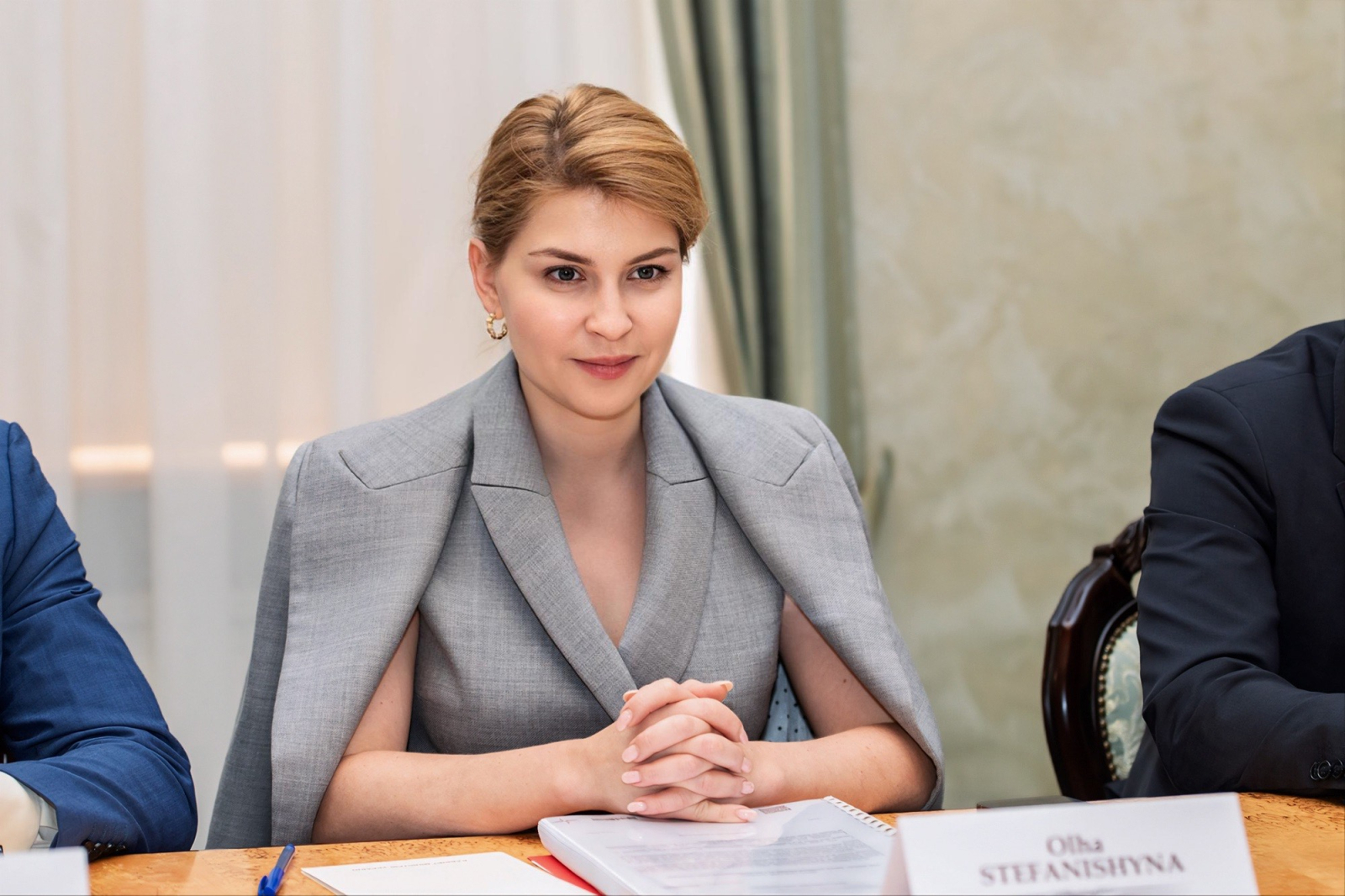
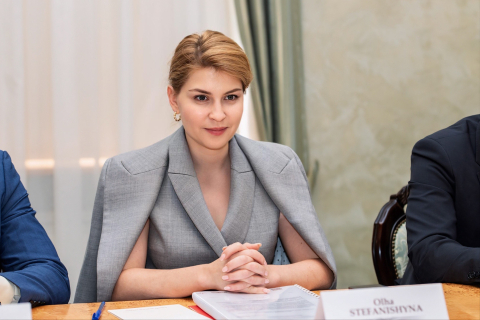
Exclusive conversation with Olha Stefanishyna, Ukraine's Deputy Prime Minister for European and Euro-Atlantic Integration and Minister of Justice.
Ukraine finds itself in an unprecedented situation: not only must it wage a war to counter the Russian invasion, the country also has to undertake structural reforms to ensure its integration into the European Union, in line with its status as a candidate country. It also hopes to secure its future and protect itself against any future Russian aggression by joining NATO. What progress has been made, and what challenges lie ahead for these transformations? How does the “Victory Plan” combine military, economic and political strategies to secure Ukraine's future and strengthen its defense capabilities? How might it even contribute to strengthening Europe's security and defense?
Chairs:
Marc Hecker, Deputy Director, Ifri
Tatiana Kastouéva-Jean, Director, Russia/Eurasia Center, Ifri
This webinar will be held in Ukrainian and in French with simultaneous translation.
This event will be held in collaboration with the Office of the Deputy Prime Minister for European and Euro-Atlantic Integration and Ukraine Promotion Office.
Replay


Speakers

Our team
External contributor(s)

Olha Stefanishyna, Ukraine's Deputy Prime Minister for European and Euro-Atlantic Integration and Minister of Justice
Related Subjects
Other events
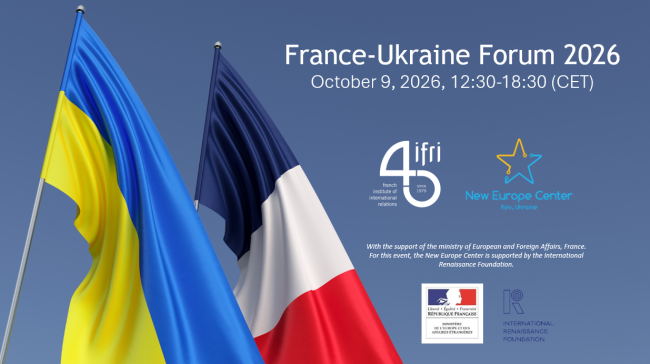
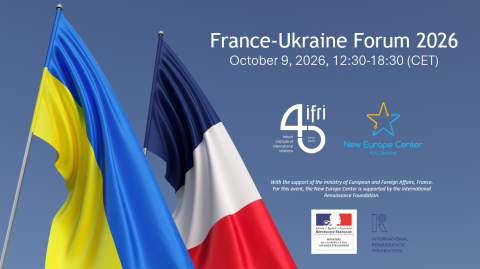
France-Ukraine Forum 2026
More than four and a half years after the start of the full-scale war launched by Russia against Ukraine, the 2026 France-Ukraine Forum will bring together policymakers, experts, academics, and civil society representatives from both countries to discuss three main topics: the formats and conditions for a lasting diplomatic settlement; Ukraine’s Euro-Atlantic integration, encompassing both the EU accession process and closer ties with NATO; and the societal transformations of postwar Ukraine, as well as its prospects for reconstruction.
The EU in a World of Economic Warfare: Trade, Geopolitics, and the Battle for Economic Sovereignty
The international trading system has become a primary theatre of geopolitical competition. Tariffs, sanctions, and technology controls have replaced dialogue as the default instruments of economic relations.
The Road to 27 Electrification Action Plans: Planning and Investing in Europe’s Electric Future
The European Commission’s Electrification Action Plan places the continent on an electric path to structurally reduce dependence on fossil fuel imports and boost the energy transition in industry, transport and buildings.