



75 millions de nouveaux pauvres en Inde: le modèle de développement indien à l’épreuve du COVID-19
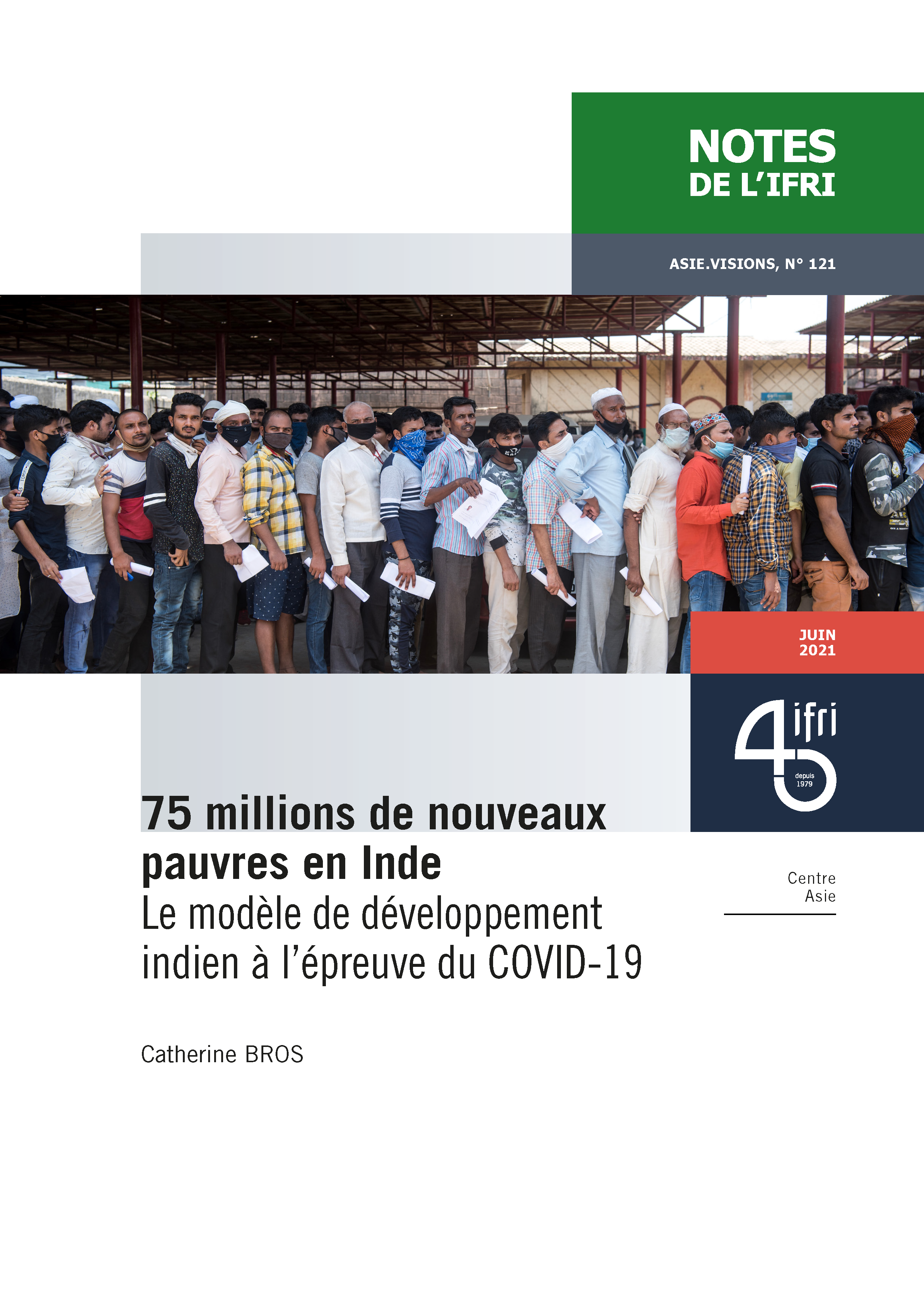
The pandemic has revealed the fragility of the Indian economy.
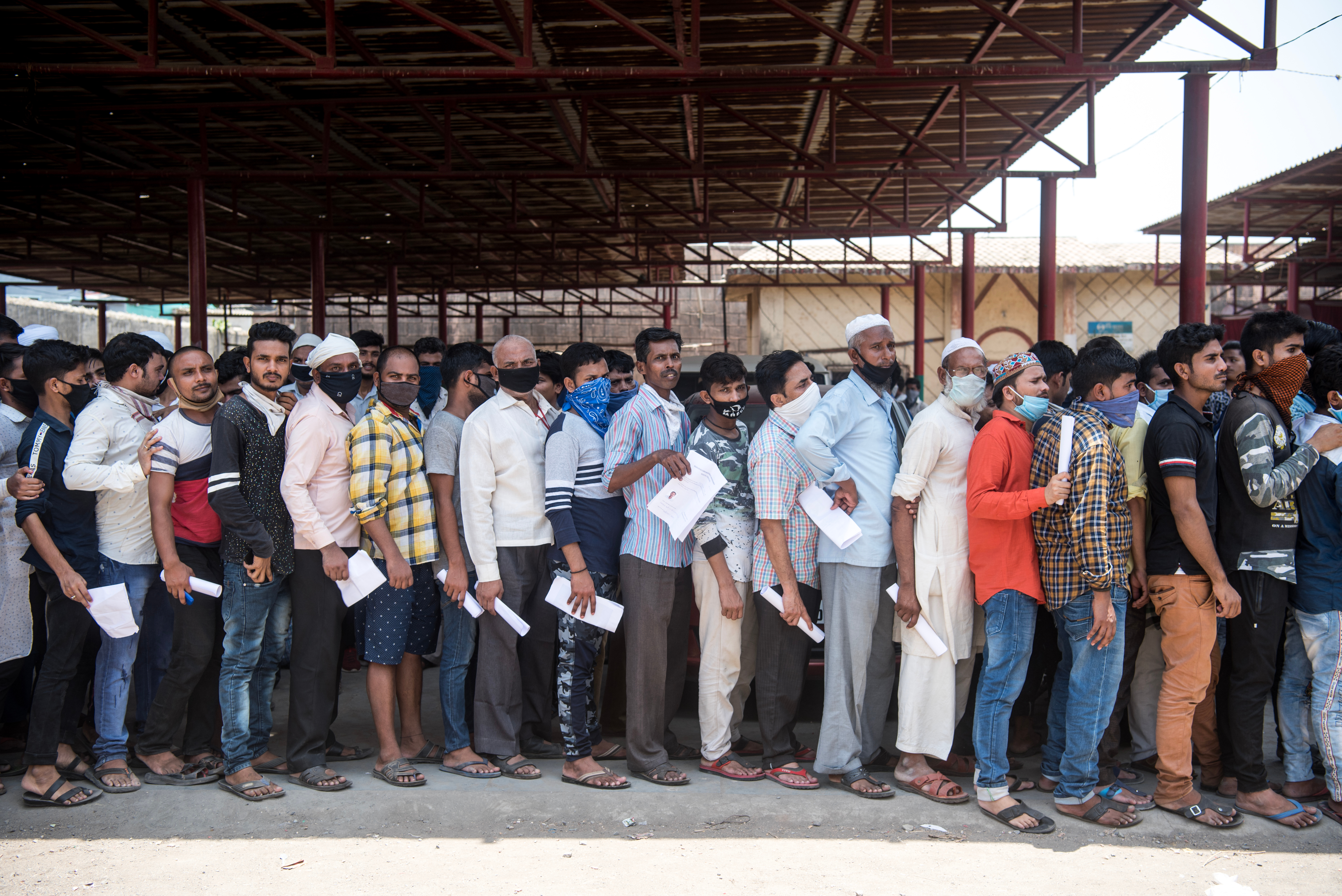
In March 2020, the Indian government implemented one of the most stringent lockdowns in the world in response to the global spread of the COVID-19. Economic activity was put on hold for more than two months, depriving of their livelihoods more than three fourths of the population that do not benefit from any form of social protection. We estimate that income losses due to the lockdown pushed 75 million individuals back into poverty which is a major setback given that the high and sustained growth of the last twenty years, 6% per annum on average, succeeded in reducing the number of poor by 248 million.
COVID-19 unveiled the fragility of the Indian economy, whose growth has been mainly driven by skill-intensive sectors that have not managed to absorb the large number of new entrants on the labor market, while manufacturing has remained under-developed for historical reasons. The inter-sectoral transfer of labor has been hampered by the constraints on the industrial sector whose size is abnormally small for such a large economy. Most of the population still lives on agriculture that only contributes to 16% of the value-added. Moreover, a large set of constraining regulations, particularly on labor, encouraged production units to remain small and, more often than not, family-based: more than half of the labor force is either self-employed or work in the family business while only 10% work as regular wage employees. The workforce is therefore greatly exposed to shocks and can hardly rely on safety nets.
In June 2020, Narendra Modi announced the release of an economic stimulus package that aims more at pursuing the Make in India industrial strategy set up in 2014 than cushioning the effects of the lockdown. The objective of the Atmanirbhar Bharat (Self-Reliant India) is to foster India’s integration into world commercial exchanges, while protecting its internal market, although future trends in global trade remain uncertain as some countries may be inclined to resort to protectionism as well. In any event, India’s short term growth prospects rely heavily on its internal demand that had already shown signs of weaknesses in 2019, leading to worse than anticipated growth rates. The increase in poverty due to the lockdown will weigh heavily on India’s capacity to restore strong sustainable growth.
The full text of this paper is only available in French: 75 millions de nouveaux pauvres en Inde : le modèle de développement indien à l’épreuve du COVID-19

Center for Asian Studies
Asia is a nerve center for multiple global economic, political and security challenges. The Center for Asian Studies provides documented expertise and a platform for discussion on Asian issues to accompany decision makers and explain and contextualize developments in the region for the sake of a larger public dialogue.
The Center's research is organized along two major axes: relations between Asia's major powers and the rest of the world; and internal economic and social dynamics of Asian countries. The Center's research focuses primarily on China, Japan, India, Taiwan and the Indo-Pacific, but also covers Southeast Asia, the Korean peninsula and the Pacific Islands.
The Centre for Asian Studies maintains close institutional links with counterpart research institutes in Europe and Asia, and its researchers regularly carry out fieldwork in the region.
The Center organizes closed-door roundtables, expert-level seminars and a number of public events, including an Annual Conference, that welcome experts from Asia, Europe and the United States. The work of Center’s researchers, as well as that of their partners, is regularly published in the Center’s electronic journal Asie.Visions.
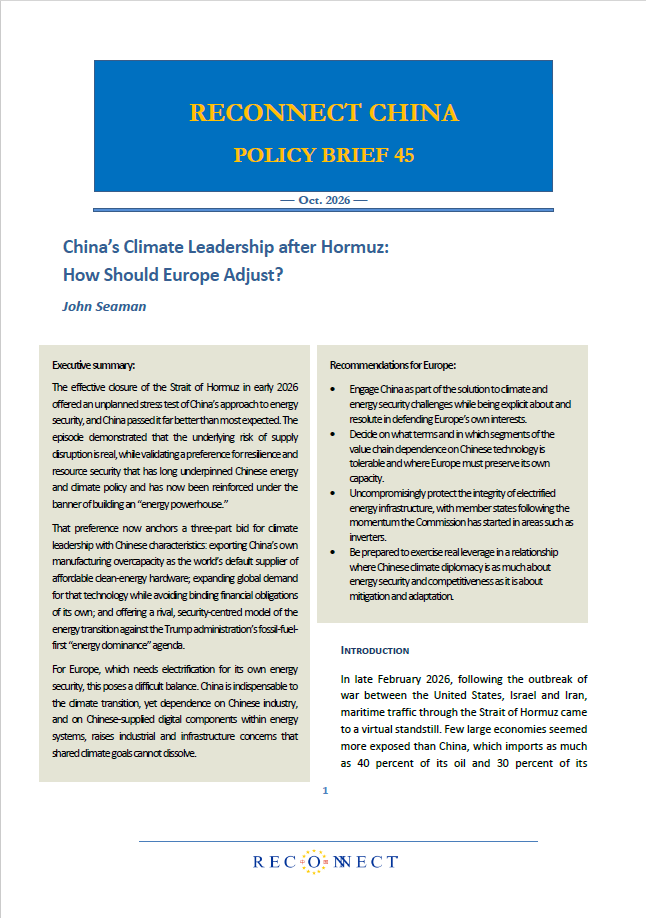
China’s Climate Leadership after Hormuz: How Should Europe Adjust?
The effective closure of the Strait of Hormuz in early 2026 offered an unplanned stress test of China’s approach to energy security, and China passed it far better than most expected. The episode demonstrated that the underlying risk of supply disruption is real, while validating a preference for resilience and resource security that has long underpinned Chinese energy and climate policy and has now been reinforced under the banner of building an “energy powerhouse.”

China as an ambivalent supporter of the WTO and the multilateral trading system
Amid rising trade tensions between Europe and China and broader uncertainty in the international rules-based trade regime, Beijing has worked to preserve and bolster the multilateral trading system while at the same time failing to reform the domestic policies that have served to undermine that same system.

Pakistan and the Israel-Palestine Conflict: Transformation in Pakistan’s Approach After the War in Gaza
Pakistan has long combined vocal support for the Palestinian cause with covert engagement with Israel. Since the war in Gaza, this balance has become untenable: public opinion is united against Israel, joining Trump’s Board of Peace has drawn rare cross-party criticism, and new regional alignments put normalization out of reach.
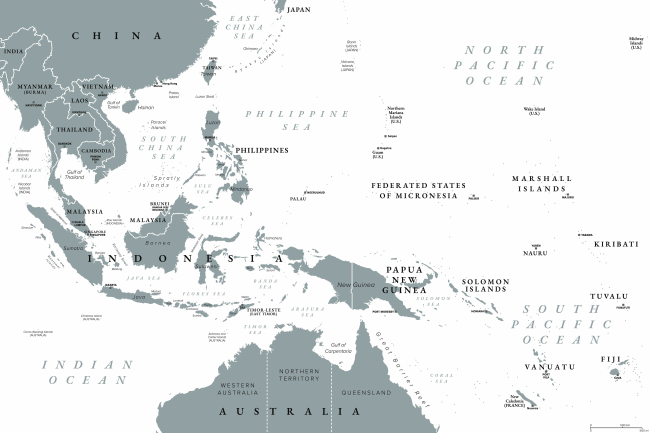
The Oceania Factor in France’s Evolving Indo-Pacific Strategy
This paper examines the two-way relationship between France’s Indo-Pacific strategy and developments in Oceania. Oceania was not a priority in the initial years of France’s Indo-Pacific strategy, as the region was largely treated as secondary to major strategic hotspots and key partnerships, while overseas territories were primarily handled as domestic issues and recipients of a top-down strategy.