




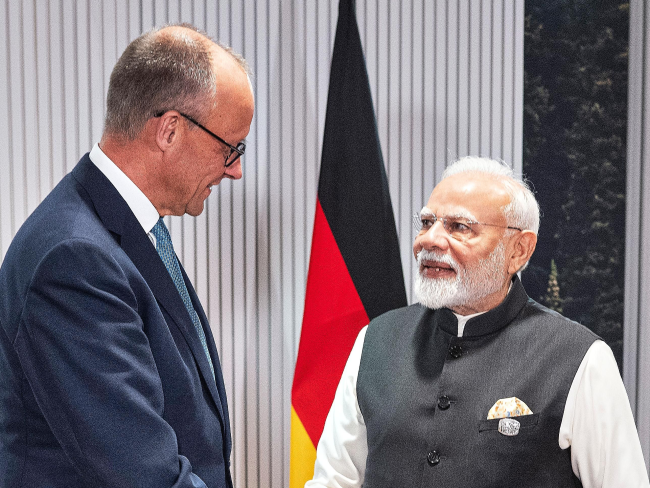
German-Indian Relations: a Partnership based on values or on interests?
In recent years, virtually no other Asian country has seen such a rise in prominence in German foreign policy as India.
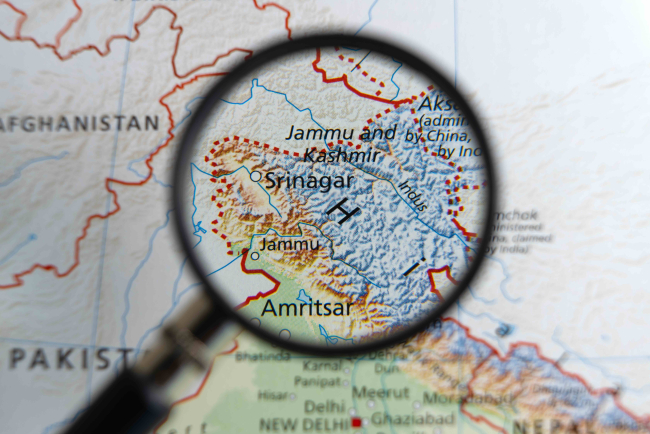
Jammu and Kashmir in the Aftermath of August 2019
The abrogation of Article 370, which granted special status to the state of Jammu and Kashmir (J&K), has been on the agenda of the Bharatiya Janata Party (BJP) for many decades.
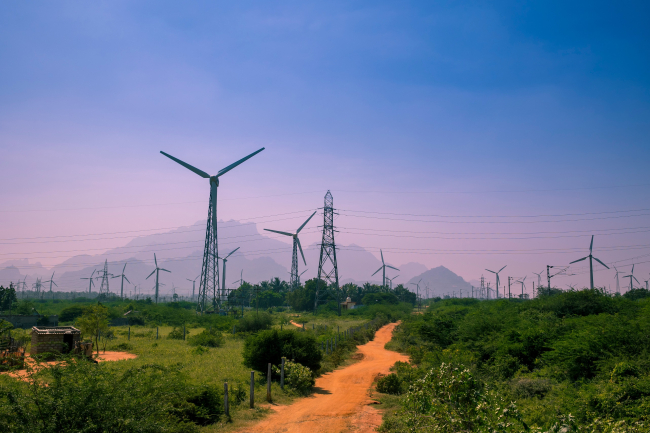
Unlocking India’s Energy Transition: Addressing Grid Flexibility Challenges and Solutions
India is rapidly scaling up its renewable energy (RE) capacity, adding 15–20 GW annually, but the ambitious goal of 500 GW of non-fossil capacity by 2030 is at risk unless the pace accelerates.

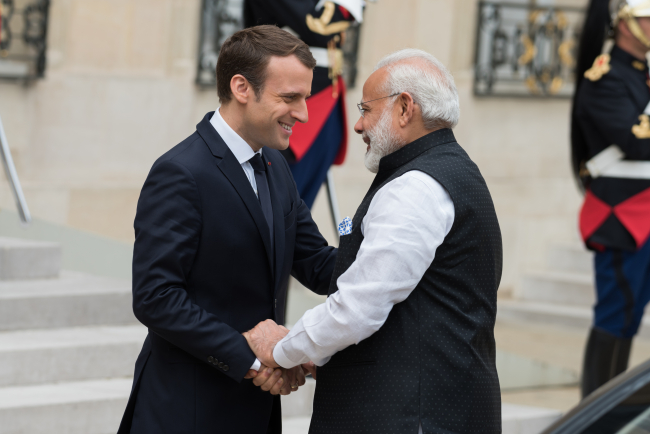
India's Modi heads to Paris as co-chair of AI summit
Indian Prime Minister Narendra Modi is visiting France from Monday as co-chair of an international summit on artificial intelligence in Paris that is expected to be attended by industry leaders, including executives from OpenAI and DeepSeek.
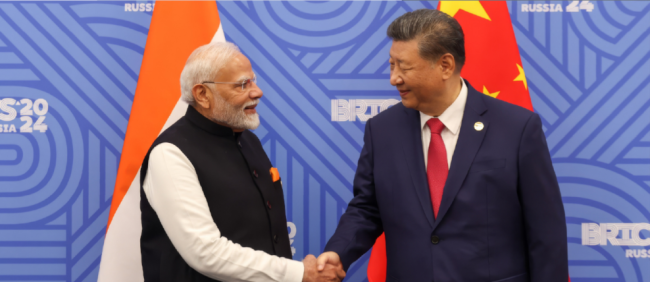
India’s Quest for Economic Emancipation from China
In October 2024, the meeting between Chinese President Xi Jinping and Indian Prime Minister Narendra Modi initiated a thaw in relations between the two Asian powers. Has India's high level of economic dependence on China played an important role in bringing about this diplomatic shift?
The Indo-Pacific and Trump II. In Uncle Sam’s brutal embrace
In this collective analysis, the research team of the Center for Asian Studies presents a synthetic and non-exhaustive assessment of the relations taking shape between the United States under the Trump II administration and some of the main players in the Indo-Pacific.
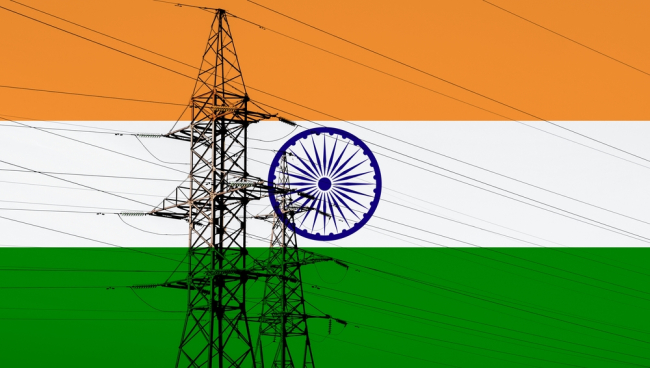
India’s Broken Power Economics : Addressing DISCOM Challenges
India’s electricity demand is rising at an impressive annual rate of 9%. From 2014 to 2023, the country’s gross domestic product (GDP) surged from 1.95 trillion dollars ($) to $3.2 trillion (constant 2015 US$), and the nation is poised to maintain this upward trajectory, with projected growth rates exceeding 7% in 2024 and 2025. Correspondingly, peak power demand has soared from 136 gigawatts (GW) in 2014 to 243 GW in 2024, positioning India as the world’s third-largest energy consumer. In the past decade, the country has increased its power generation capacity by a remarkable 190 GW, pushing its total installed capacity beyond 400 GW.

Artificial Intelligence, or The Race for Power
Artificial intelligence (AI) is here to stay, and its use is spreading at a rate that is difficult to comprehend.
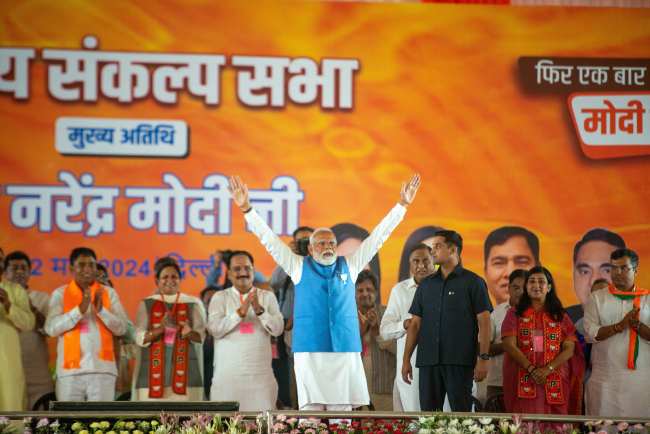
Foreign Policy Issues in the BJP 2024 Election Campaign: Boosting National Pride and Glorifying a Strong Government
While election campaigns in India traditionally focus on domestic issues above all, the Bharatiya Janata Party’s (BJP) campaign for the 2024 general elections placed a strong emphasis on foreign policy. It emphasized how, under the leadership of Prime Minister Narendra Modi, India has strengthened its diplomatic role and achieved international economic success.
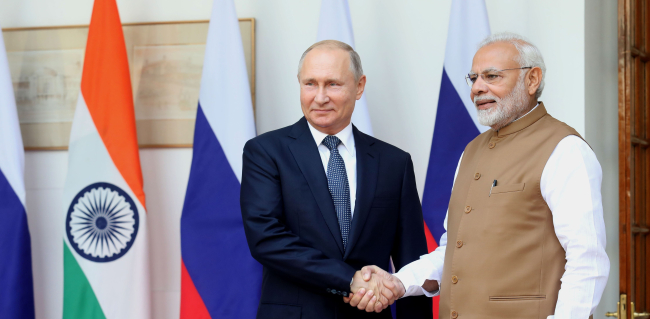
India-Russia Relations in Troubled Times: Steady but Stagnating
This paper examines the trajectory of India-Russia relations post-February 2022. The war in Ukraine emerged as a significant challenge for bilateral ties, presenting new obstacles to political and diplomatic relations and intensifying the previous difficulties in developing economic cooperation.

A Splintered Internet? Internet Fragmentation and the Strategies of China, Russia, India and the European Union
From the Covid-19 pandemic to the ramifications of Russia’s full-scale invasion of Ukraine, international events are fueling fears of an accelerated fragmentation of the global Internet.

Replay - Paris Naval Conference 2024: The Evolving Role of the Carrier Strike Group
This second edition of the Paris Naval Conference, bringing together high-level speakers from France, the UK, the USA, Italy and India, and organized by Ifri and the French Navy, aimed to redefine the role of CSGs in a changing strategic context, particularly in terms of the future threats it faces.

The South versus the West?
In 2023, forums that amplify the voice of the “Global South” have proliferated and grown louder. As contradictory and divided as they may be, these forums (BRICS+, Shanghai Cooperation Organization (SCO), G20, the Group of 77, the European Silk Road Summit…) attest to the emergence of new power relations, and especially new directions in foreign policy, with states rejecting alignment with the dominant powers of the past in favor of putting their own interests first. A new world is taking shape, with changeable, still uncertain, contours.
COP28: A Tale of Money, Fossil Fuels, and Divisions
“Humanity has opened the gates of hell”, said the UN Secretary General Antonio Guterres during the Climate Ambition Summit, in New York, in September 2023, three months before COP28. The sense of urgency that he conveyed seems shared across the international community.
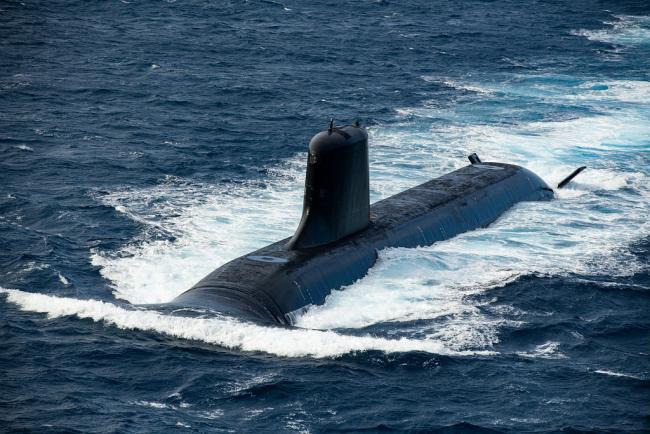
Naval Nuclear Propulsion: The Technical and Strategic Challenges of a Restricted Technology
The technical and operational capabilities of naval nuclear propulsion - discretion, power, autonomy and manoeuvrability - make this technology a strategic asset for nuclear deterrence.
Global Coal Markets at a Climax. An Era of Coal Decline is Finally about to Begin
In a previous note published in 2018, we noted that global coal demand had flattened. Several governments had announced coal phase-out plans, global coal power investment had contracted, and investment in greenfield coal mines was also at a standstill. The freezing of financial resources for coal projects might have indicated the beginning of a structural decline in coal demand and supply.
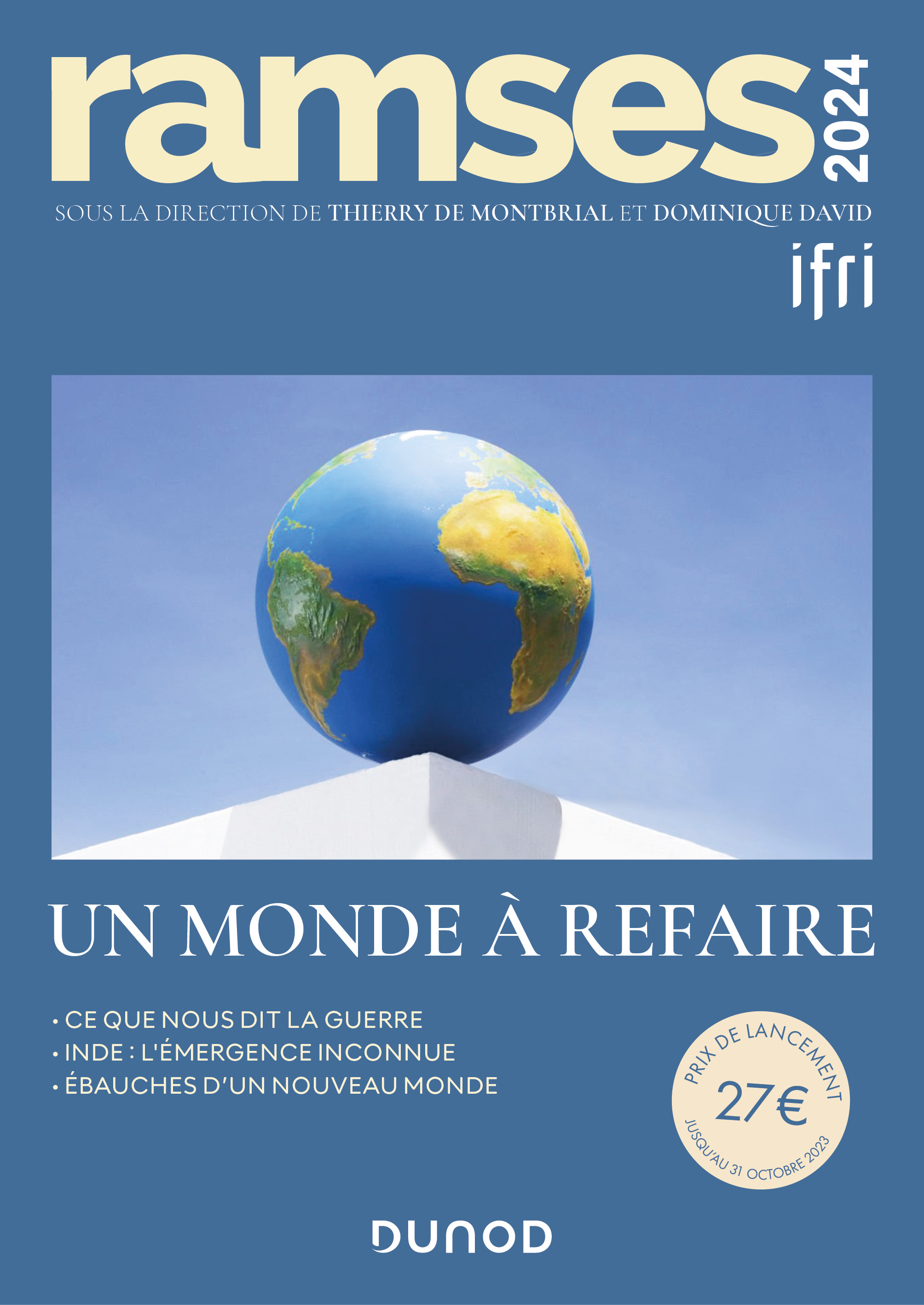
RAMSES 2024. A World to Be Remade
For its 42nd edition, RAMSES 2024 identifies three major challenges for 2024.

India’s Power Games, between Ukraine and the G20
India’s drive for power merits examination in the light of New Delhi’s abstention on Ukraine, and its stated objectives for its presidency of the G20.
Türkiye’s Stifled Ambitions
As its elections have unfolded this spring, Türkiye has again shown itself to be symptomatic of the times. Across the world, numerous political regimes oscillate between democratic forms of government and an authoritarian concentration of power; impressive periods of growth give way to inflation and recession; and international deregulation gives rise to widespread diplomacy in an effort to juggle a myriad of shifting political loyalties. Faced with the war in Ukraine, Ankara is playing a strong hand by enlarging its areas of presence and intervention. Türkiye is more important to its partners than ever, independent of its eventual domestic trajectory.
Western discourse predicted the advent of Chinese dominance in the very short term, but events have taken a rather different turn. The drivers that enabled the unprecedented growth of recent decades seem to have run out of steam. Moreover, the outcome of Beijing’s economic strategies is still uncertain, in a context shaped primarily by U.S. policies. China’s influence in the future will be considerable, but the direction its rebound will take remains unclear.
For Europeans, the events in Ukraine and the thorny issue of the Sino-American rivalry cannot paper over the other security problems we face: On what common vision of our history and future will we build the Europe of tomorrow? Has drug trafficking already changed the nature of our societies? Can we afford to turn away from instances of destabilization in Africa, from the Horn to the Sahel?
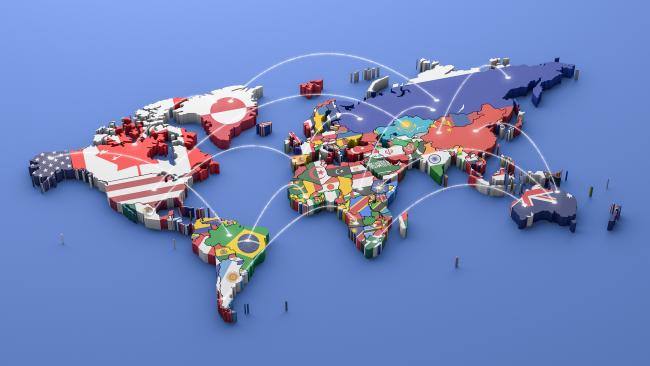
The Technology Policies of Digital Middle Powers
Digital technology is an element of power in the international system as well as an area for competition among countries. The study provides a qualitative comparison of the technology policies of nine of the digital middle powers: Brazil, India, Israel, Japan, Kenya, Nigeria, Russia, South Korea, and the United Kingdom. It seeks to reflect the diversity of national technology policies, as well as to identify those countries’ convergences and divergences with Europe, the United States and China.
German-Indian Relations: a Partnership based on values or on interests?
In recent years, virtually no other Asian country has seen such a rise in prominence in German foreign policy as India.
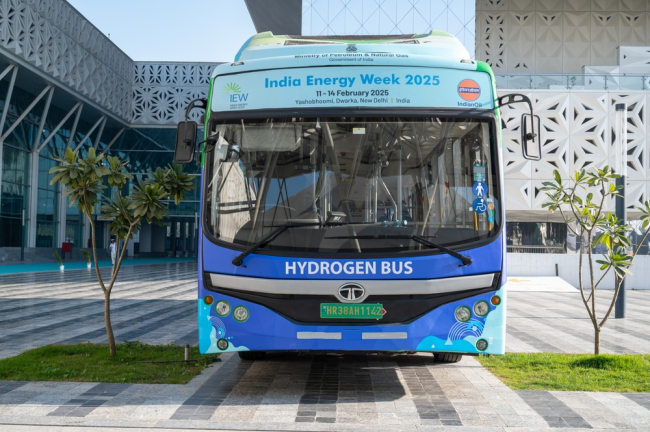
India’s Green Hydrogen Strategy in Action: Policy Actions, Market Insights, and Global Opportunities
India is poised to remain the world’s fastest-growing major economy, and this rapid growth is driving a sharp rise in energy demand. As the most populous country on the planet, India urgently needs to decarbonize its energy systems.
RAMSES 2024. A World to Be Remade
For its 42nd edition, RAMSES 2024 identifies three major challenges for 2024.
Jammu and Kashmir in the Aftermath of August 2019
The abrogation of Article 370, which granted special status to the state of Jammu and Kashmir (J&K), has been on the agenda of the Bharatiya Janata Party (BJP) for many decades.
Unlocking India’s Energy Transition: Addressing Grid Flexibility Challenges and Solutions
India is rapidly scaling up its renewable energy (RE) capacity, adding 15–20 GW annually, but the ambitious goal of 500 GW of non-fossil capacity by 2030 is at risk unless the pace accelerates.
India’s Quest for Economic Emancipation from China
In October 2024, the meeting between Chinese President Xi Jinping and Indian Prime Minister Narendra Modi initiated a thaw in relations between the two Asian powers. Has India's high level of economic dependence on China played an important role in bringing about this diplomatic shift?
The Indo-Pacific and Trump II. In Uncle Sam’s brutal embrace
In this collective analysis, the research team of the Center for Asian Studies presents a synthetic and non-exhaustive assessment of the relations taking shape between the United States under the Trump II administration and some of the main players in the Indo-Pacific.
India’s Broken Power Economics : Addressing DISCOM Challenges
India’s electricity demand is rising at an impressive annual rate of 9%. From 2014 to 2023, the country’s gross domestic product (GDP) surged from 1.95 trillion dollars ($) to $3.2 trillion (constant 2015 US$), and the nation is poised to maintain this upward trajectory, with projected growth rates exceeding 7% in 2024 and 2025. Correspondingly, peak power demand has soared from 136 gigawatts (GW) in 2014 to 243 GW in 2024, positioning India as the world’s third-largest energy consumer. In the past decade, the country has increased its power generation capacity by a remarkable 190 GW, pushing its total installed capacity beyond 400 GW.
Artificial Intelligence, or The Race for Power
Artificial intelligence (AI) is here to stay, and its use is spreading at a rate that is difficult to comprehend.
Foreign Policy Issues in the BJP 2024 Election Campaign: Boosting National Pride and Glorifying a Strong Government
While election campaigns in India traditionally focus on domestic issues above all, the Bharatiya Janata Party’s (BJP) campaign for the 2024 general elections placed a strong emphasis on foreign policy. It emphasized how, under the leadership of Prime Minister Narendra Modi, India has strengthened its diplomatic role and achieved international economic success.
India-Russia Relations in Troubled Times: Steady but Stagnating
This paper examines the trajectory of India-Russia relations post-February 2022. The war in Ukraine emerged as a significant challenge for bilateral ties, presenting new obstacles to political and diplomatic relations and intensifying the previous difficulties in developing economic cooperation.
COP28: A Tale of Money, Fossil Fuels, and Divisions
“Humanity has opened the gates of hell”, said the UN Secretary General Antonio Guterres during the Climate Ambition Summit, in New York, in September 2023, three months before COP28. The sense of urgency that he conveyed seems shared across the international community.
Global Coal Markets at a Climax. An Era of Coal Decline is Finally about to Begin
In a previous note published in 2018, we noted that global coal demand had flattened. Several governments had announced coal phase-out plans, global coal power investment had contracted, and investment in greenfield coal mines was also at a standstill. The freezing of financial resources for coal projects might have indicated the beginning of a structural decline in coal demand and supply.

G20 Energy Transitions and Climate Finance Task Force Report
India is at the helm of the G20 presidency since the 1st of December 2022 for the duration of a year, with energy transition and climate finance being key topics on its agenda. In this context, the Gateway House put in place a G20 Energy Task Force to which Ifri’s Research Fellow, Diana-Paula Gherasim, participated.
The Technology Policies of Digital Middle Powers
Digital technology is an element of power in the international system as well as an area for competition among countries. The study provides a qualitative comparison of the technology policies of nine of the digital middle powers: Brazil, India, Israel, Japan, Kenya, Nigeria, Russia, South Korea, and the United Kingdom. It seeks to reflect the diversity of national technology policies, as well as to identify those countries’ convergences and divergences with Europe, the United States and China.
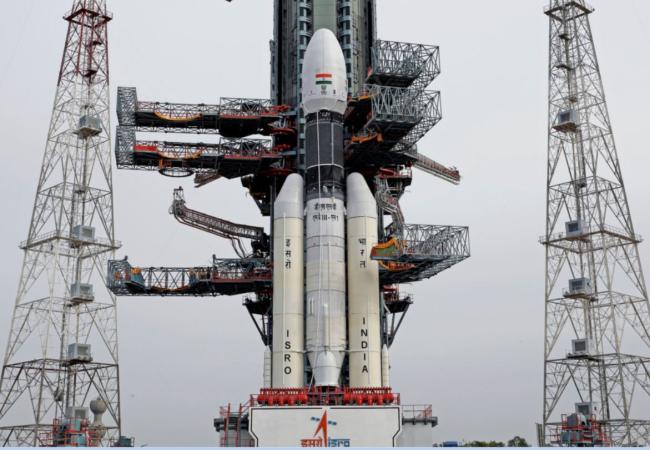
Indian Space Program and its Drivers: Possible Implications for the Global Space Market
India has one of the oldest space programs in the world with space playing a critical role in India’s national development and external power projection capability.
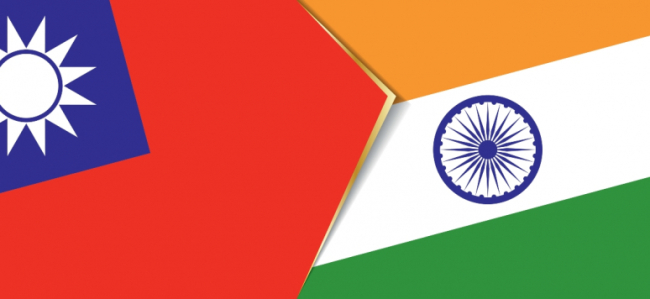
India-Taiwan Ties: A Case for Stronger Partnership
The links between India and Taiwan have gathered unprecedented momentum in recent years. This has largely come about due to growing support for Taiwan at civil society level in India.
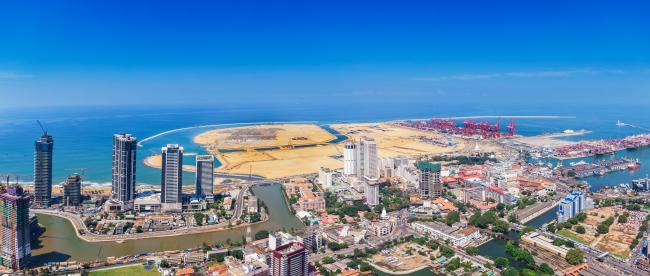
Japan’s Infrastructure Investment in the Indian Ocean: Checking China, Securing the Sea Lanes
In the 2010s, Japan gradually increased economic connections with the Indian Ocean region (IOR) through trade, foreign direct investment, and official development assistance (ODA).

75 millions de nouveaux pauvres en Inde: le modèle de développement indien à l’épreuve du COVID-19
The pandemic has revealed the fragility of the Indian economy.
The Economic Pillar of Korea’s New Southern Policy: Building on Existing Assets
Diversification is a key tenet of South Korea’s New Southern Policy (NSP). In the economic sphere, however, the need for diversification is apparently less pressing as, unlike what is observed in the diplomatic and security domains, Korea’s economic partnerships are less unbalanced and are not (or not as clearly) polarized on the big Four (China, Japan, the United States, and Russia).
India's Modi heads to Paris as co-chair of AI summit
Indian Prime Minister Narendra Modi is visiting France from Monday as co-chair of an international summit on artificial intelligence in Paris that is expected to be attended by industry leaders, including executives from OpenAI and DeepSeek.

Delhi to Paris: A strategic partnership
Prime Minister Narendra Modi’s visit to France on May 4 is his fifth since 2015, and the 10th such high-level bilateral visit.
Ifri, a foundation recognized as being of public utility, relies largely on private donors – companies and individuals – to guarantee its sustainability and intellectual independence. Through their funding, donors help maintain the Institute's position among the world's leading think tanks. By benefiting from an internationally recognized network and expertise, donors refine their understanding of geopolitical risk and its consequences on global politics and the economy. In 2026, Ifri partners with over 90 French and international companies and organizations.
