




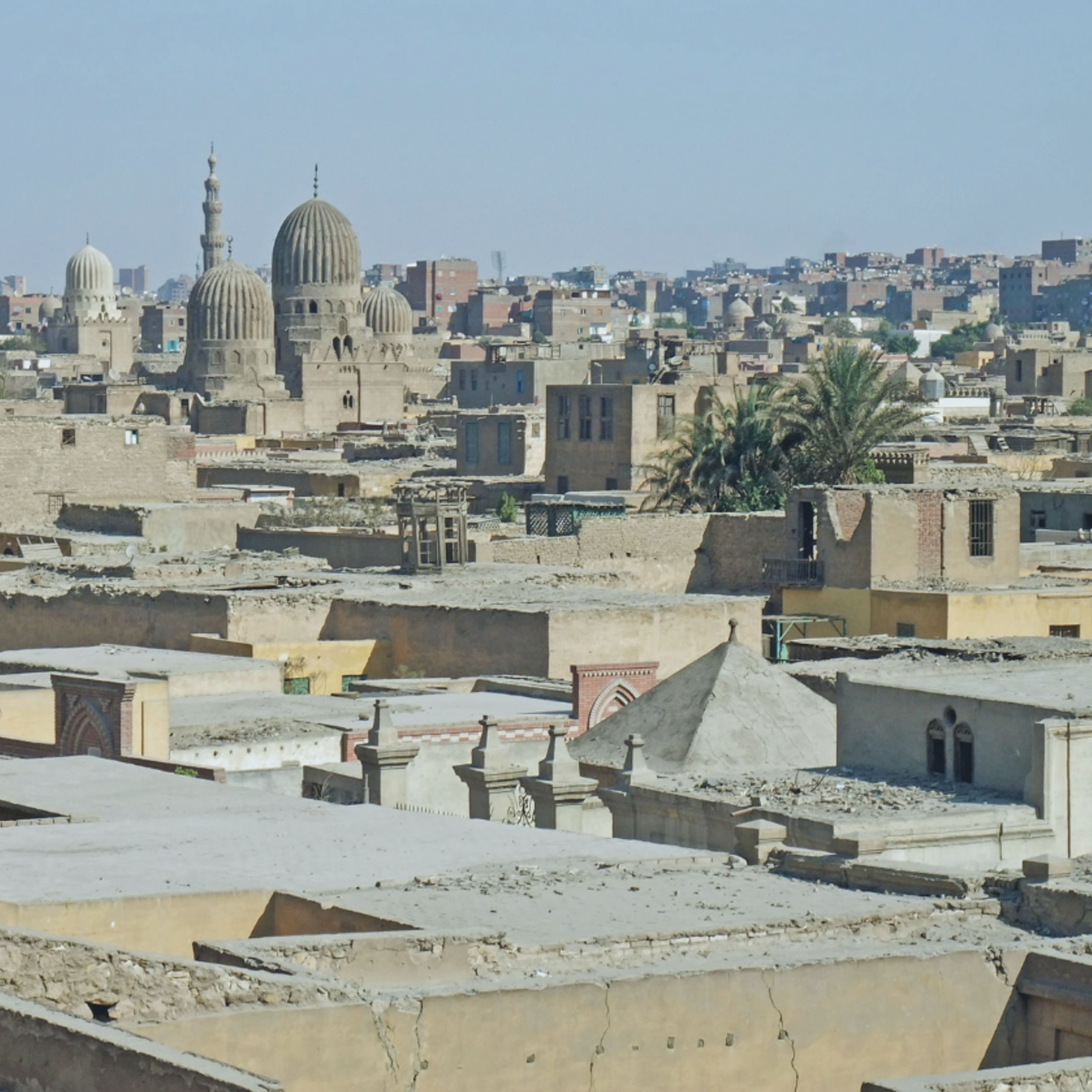
North Africa and Middle East
Analysis of changing dynamics in the North Africa/Middle East region, against a backdrop of increasing conflicts and their political, economic and energy consequences.
Related Subjects
Algeria: Cosmetic Change or Actual Reform?
Algeria has emerged as something of an “exception” across the Middle East and North Africa (MENA) region, and while the recent elections have been marred by widespread allegations of fraud, the results have effectively consolidated the regime’s grip on power thus ensuring its complete monopoly over the country’s reform process.
The Arab Revolts and Southeast Asia: What Impact and What Influence?
Southeast Asia experienced its own political upheavals well before the Arab revolts. Nevertheless, the wave of popular uprisings that shook the Middle-East and North Africa region goes far beyond the region’s boundaries, and Southeast Asia is no exception to the global crisis of confidence towards governments.
The Obama Administration and Syria: From "off the table" to on
A quick look at the news dealing with the Syrian uprising the last year shows a slow progression from protests and civil resistance towards violence. The Obama Administration’s policy dealing with what many have called “slow motion revolution” has evolved in fits and starts, with mixed episodes of confusion, assertiveness, denial and drift.
South Africa and the Arab Spring: opportunities to match diplomacy goals and strategies
This paper highlights how the Arab Spring magnified a two-dimensional gap in South Africa’s foreign policy. First that South Africa does not have a vision which reconciles demands for achieving the goals of protecting human rights, sovereignty, and multilateralism; second, that its strategies do not meet set goals. The paper then provides tentative explanations to this gap. It ends by elaborating what in the “African Awakening” and in the midst of the Arab Spring are opportunities for South Africa to overcome this gap.
Jewish Activism in the United States: Is J Street a Passing Phenomenon?
Created in the Fall of 2008, the J Street movement seeks to represent those in the U.S. Jewish community who would like Washington to be more active in supporting a lasting peace in the Middle-East.
Libya: Old or New Picture? Risks of political uncertainty for the gas and oil business
Libya has an opportunity to get back on track. The end of embargoes and sanctions after the conclusion of the “February Revolution” is favoring a fast production growth.

Syria: Islam in the Revolution
The Syrian Islamic movement does not constitute a homogeneous block.
Migrations and Revolutions: Reflections on the Recent Events in North Africa from an International Relations Perspective
The promise of democracy enshrined in the "Arab Spring" has been accompanied by significant developments in migration flows across North Africa and to Europe. With political turmoil sweeping across North Africa and the Middle East, hundreds of thousands of persons, mainly from Libya, have been displaced since January 2011.
U.S.-Moroccan Relations: How Special?
U.S.-Moroccan ties have sometimes been described as a "special relationship." This paper explores the bilateral relationship to investigate how special it really is.
U.S. Foreign Policy and the Israeli-Palestinian Conflict: A View from Palestine
How will the US respond to the changing Palestinian and Arab paradigm?
U.S.-Algerian Security Cooperation and Regional Counterterrorism
This paper explores the recent evolution of security cooperation between the United States and Algeria, which have forged a strong partnership on counterterrorism despite lingering mutual distrust.
Israel's Immigrant Parties: An Inefficient Russia Lobby
Since 2009 the influence of immigrant party Israel Beiteinu on foreign and security policy in Israel has grown. The party won 15 seats in the 2009 parliamentary elections and its leader, Avigdor Lieberman, became the Minister of Foreign Affairs.
Syria: Russia's Best Asset in the Middle East
Russia's foreign policy towards Syria and the Greater Middle East is generally not aggressive. It is a defensive policy aimed mainly at developing its traditional political and economic interests in the region and protecting its Southern borders.
Migrations, Remittances and Development - Comparing Experiences from Mexico and Maghreb
The potential synergy between development and migration has become a key feature of most international migration politics. However, this relationship is far from evident.
German Military Engagement in Afghanistan: Conditions, Assessment, Outlook
Since the beginning of 2010, German authorities have become conscious of the fact that they cannot continue to maintain the Bundeswehr’s involvement in Afghanistan with a majority of the German population opposing it. It is clearly understood that the federal government and the Bundestag will adhere to President Obama’s plans to gradually withdraw national troops from ISAF, starting in the summer of 2011, and to hand over complete control of the country’s security to Afghani authorities.
The United States' Economic Strategy and Presence in the Maghreb
Before the 9/11 events, US-Maghreb relations were growing stronger, especially after the United States had long left the floor to the Maghreb’s “natural” European partner. Therefore, the American action in this region was in line with a mechanism previously set off by Clinton Administration member, Stuart Eizenstat, which aimed at reducing intra-regional obstacles and stimulating American investments towards an area where Americans were little-represented. Hence Washington seemed more involved in promoting the emergence of a strong, world-economy-integrated Maghrebi market.
Morocco and its "New Border". A Critical Lecture of Morocco's Economic African Strategy
Since Mohammed VI came into power, Morocco’s African policy has undergone notable change in comparison to his predecessor’s period.
Maghreb Countries' Economic Projection on Sub-Saharan Africa
While largely interrupted by the colonial period premise, trade relations between the Maghreb and sub-Saharan Africa have enjoyed a new boom with the independence era. However, until the end of the 1990s, the African policy of the three Maghreb countries significantly impacted their economic projection.
Arabs and Tuaregs in Colonial and Malian Armed Forces: A Story in Trompe-l'Oeil
This contribution consists in analyzing the unifying or opposing relations between the central State-power and the southern part of central-Saharan populations, mainly Arabs and Tuaregs, within the relational framework of colonial and Malian armed forces. The French Colonial State and the Malian independent State (from the 1960 independence movement) are both considered by Arabs and Tuaregs as external entities, whatever the form of their relation, good or bad.
The Gulf Cooperation Council in the Maghreb: Exchange and Investment Strategies
The Gulf Cooperation Council (GCC) is a regional organization which was created in 1981, reassembling six Arab countries together: Saudi Arabia, Kuwait, Bahrain, Oman, Qatar, and the United Arab Emirates (UAE). Thanks to their oil income, GCC countries have enjoyed economic boom since 2002, hence breaking with the 1990s economic slow-down.
Ifri, a foundation recognized as being of public utility, relies largely on private donors – companies and individuals – to guarantee its sustainability and intellectual independence. Through their funding, donors help maintain the Institute's position among the world's leading think tanks. By benefiting from an internationally recognized network and expertise, donors refine their understanding of geopolitical risk and its consequences on global politics and the economy. In 2026, Ifri partners with over 90 French and international companies and organizations.

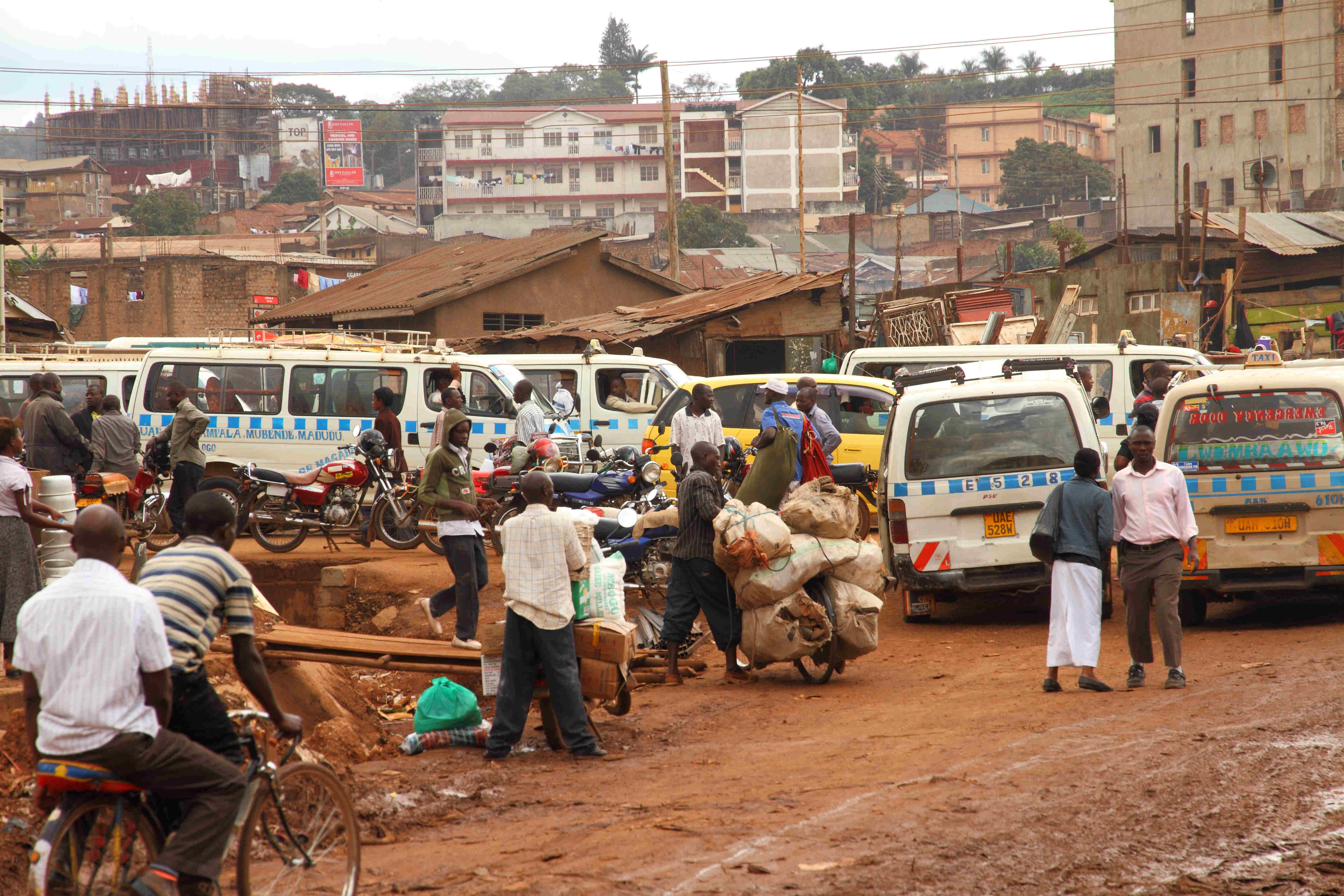
Sub-Saharan Africa's cities are experiencing the fastest growth rates in the world. By 2050, most of the countries in the region will have made an urban transition, meaning that more than 50% of their population will live in urban areas. Urban growth is often presented as a cornerstone of the continent's socio-economic development.
To assess these challenges Ifri’s Sub-Saharan Africa Center is launching, in May 2022, a research program looking into the major socio-economic and geopolitical challenges of urban dynamics on the continent.
The program deals with urban development in Africa through a sectoral and cross-cutting approach based on three key sectors:
- Land issues are the foundation of urban life. Each urban project triggers changes within the relationship between land and its inhabitants.
- Urban infrastructure is often presented as a solution to the challenges of demographic growth in cities. However, the lack of infrastructure and its financing remains a concern for specialists.
- The mobility of goods, people and financial flows is characteristic of urban life and drives the multiple links between cities and the countryside. Analyzing the urban-rural continuum is at the heart of this program's objectives.
Research will be conducted at the macro (continental), meso (country), and micro (city/neighborhood) levels and will be promoted through events and publications.
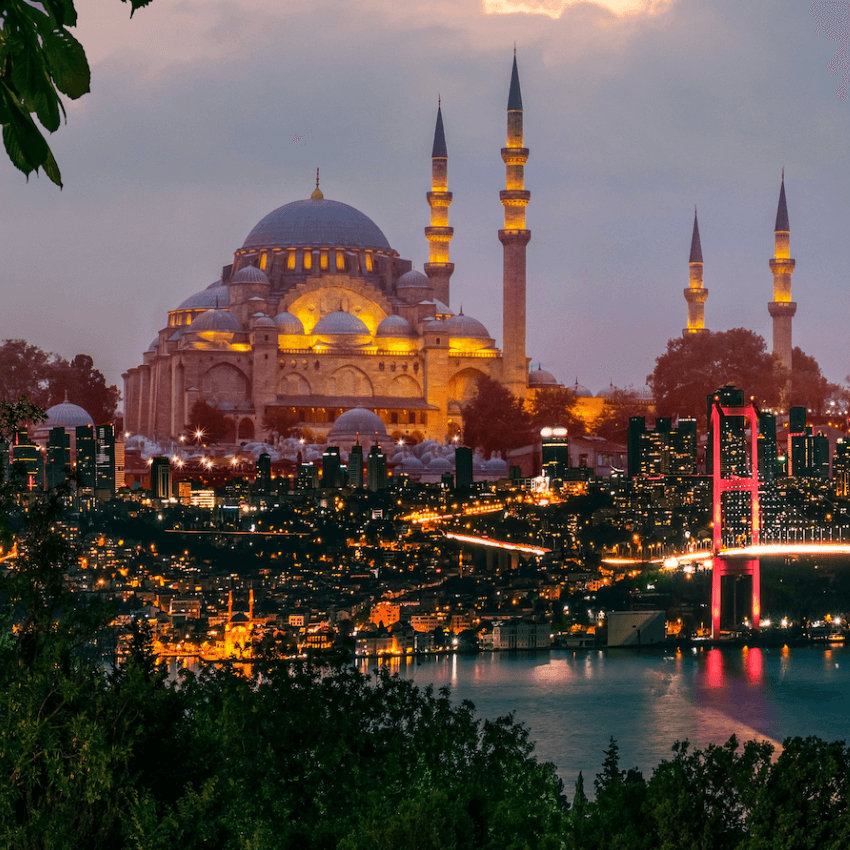
Ifri's Turkey/Middle East Program aims to provide expertise on the trends and developments in politics, societies and economies across the region.
The programme has the following objectives:
- Proposing a new approach towards the MENA region through an analysis of local, regional, and international dynamics with the potential to guide and influence new policies.
- Highlighting the role of foreign powers which have traditionally been present in the region and analyzing the new role taken on by emerging countries ;
- Anticipating new directions and outlooks in each country.
- Interpreting risks and potentials and putting forward new templates for analysis.
The programme has built a dense network of researchers and experts who provide expertise on the MENA region and working together on a range of crosscutting themes.