





3447 publications
The Future of Urban Warfare in the Age of Megacities
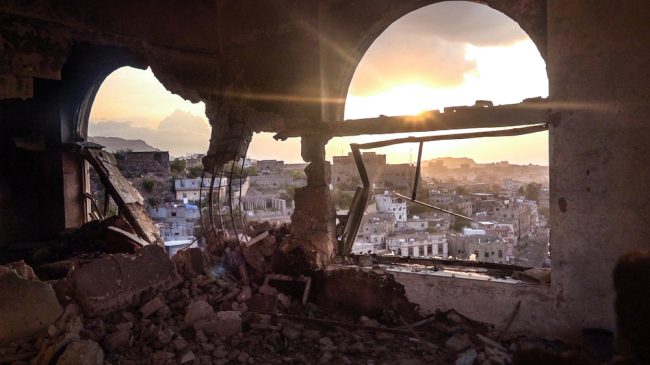
Urbanization is a relentless trend, and as cities grow and expand, armed conflict and violence are urbanizing as well.
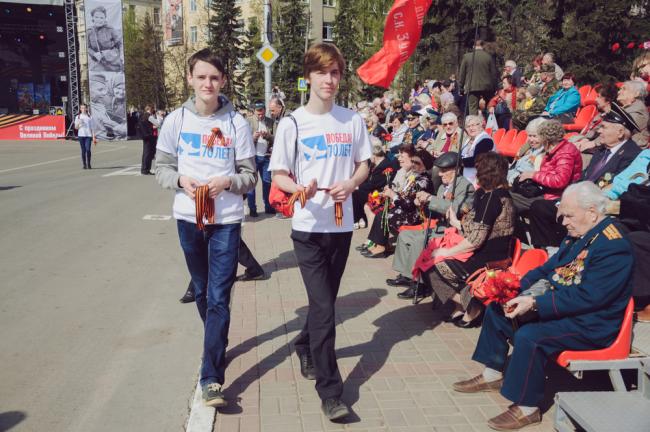
Beyond Putin: Russia’s Generations Y and Z
Of Russia’s 146 million citizens (if we include those in Crimea), 63 million—or 43 percent—are under 34 years of age. Of these, 30 million belong to Generation Y (millennials in their 20s and early 30s), 15 million belong to Gen Z (teenagers), and a further 18 million are part of the youngest generation (less than 10 years of age).
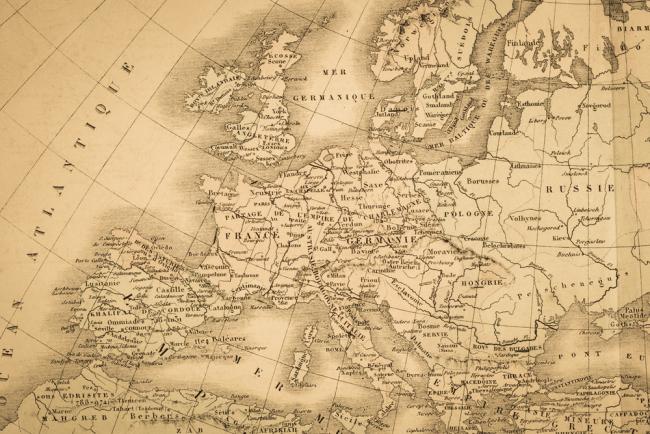
Imagined Geographies of Central and Eastern Europe: The Concept of Intermarium
Like the proverbial cat, some concepts have several lives. Or, like the mythological phoenix, they can be reborn from the ashes. This is certainly the case of the Intermarium, a geopolitical concept that envisaged an alliance of countries reaching from the Baltic Sea over the Black Sea to the Aegean Sea that would serve as a third power bloc between Germany and Russia.

2029, the Great Asian Renaissance
Asians were dominated and sometimes humiliated by Westerners during the last two centuries. Today, they look to the future with confidence. In 2050, the world’s two leading powers are likely to be China and India. The great Asian Renaissance will lead to geopolitical upheavals. China-US tensions are already visible and conflicts may emerge between Asian powers. Yet the clash of civilizations is not inevitable.
The Middle East in 2029
The wars ravaging the Middle East are not destined to continue forever and the region is not condemned to being governed by autocrats. A transition to a more just order for the region’s populations is possible, but will take time. It is unlikely to happen by 2029. Progress will be gradual, pushed by civil society. New revolutions are possible, although it is not sure they will lead to greater democracy.
The Africas of 2029
Real progress in diversification in some economic areas, as well as improvements in public policies, have modified the general conditions of development on the African continent since the 2000s. In politics, apart from the demands of formal representative democracy, states need to be reconstructed in order to integrate marginalized regions and develop regional and continental co-operation.
Europe in Ten Years
In the last 10 years, European integration has suffered several shocks. These shocks have challenged the historical narrative of the European Union, and have profoundly affected policies, as well as support by the peoples of Europe for the EU project. The real risk of disintegration can only be avoided if Member States accept to overhaul European integration, based on the idea of “civilizing globalization” and adopting corresponding policies grounded in solidarity.
When Technology Shapes the World
New technologies, particularly in cyberspace, have a strong impact on international relations and conflict. Malicious actors, be they lstates or non-state actors, have developed sophisticated means of influence. They tend to coordinate their physical and cyber activities with ever-greater precision. The security strategies of Western states need to change as a result and cease operating in silos.