Scenarios for the future of relations between the EU, the Russian Federation and the Eastern Partnership countries
Practical information
Accessibility
Related centers and programs
This is a private event.
Learn more about our corporate support packages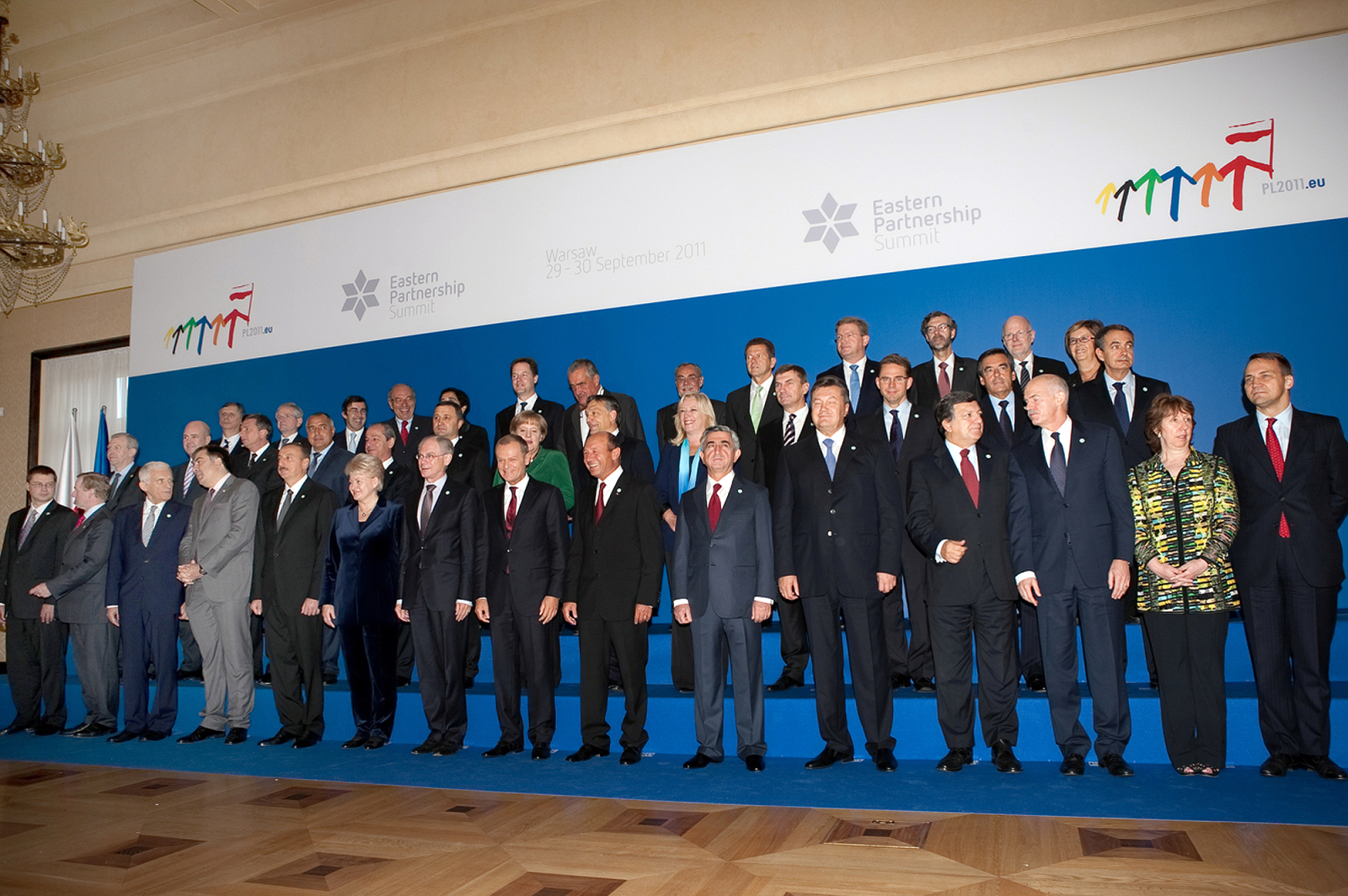
The Friedrich-Ebert-Stiftung (FES) and the Study Committee on French-German Relations (Cerfa) of the French Institute of International Relations (Ifri) are hosting an expert workshop that aims to discuss what policy options France, Germany and their European partners should consider to define their common interests and shape the EU's future policy.
The deep crisis in relations between the European Union and the Russian Federation has raised fundamental questions about the EU’s policy towards its eastern neighbours. 2014/15 is likely to come to be seen as a critical juncture in the relations between the EU, the Russian Federation and the countries of the Eastern Partnership.
The discussion will be based on a new report published by the Friedrich-Ebert-Stiftung on “Europe and the East in 2030”. The report was based on three workshops in which a group of experts identified the driving forces that shape the relationship and discussed four possible future trajectories for the EU's relationship with its eastern neighbors. We will present the four scenarios and discuss how the EU can make the more positive scenarios more likely and prevent the more negative scenarios from becoming reality.
Presentation of Scenarios
Ireneusz Bil (Poland), Director of the Aleksander Kwaśniewski Foundation Amicus Europae, Warsaw
Hans Kundnani (UK), Research Director, European Council on Foreign Relations (ECFR), Berlin
Florence Mardirossian (France), Co-Founder of Geopole Europe, Paris
Dmytro Ostroushko (Ukraine), Head of International Department of the Gorshenin-Institut, Kyiv
Dmitry Suslov (Russia), Deputy Director of the Center for Comprehensive European and International Studies at the Higher School of Economics, Moscow
What follows? Policy Implications of the Scenarios for the EU
Barbara Kunz (France), Research fellow, Study Committee on French-German Relations (Cerfa), French Institute of International Relations (Ifri), Paris
Participation only by invitation
Our partners
Speakers