




Infrastructures
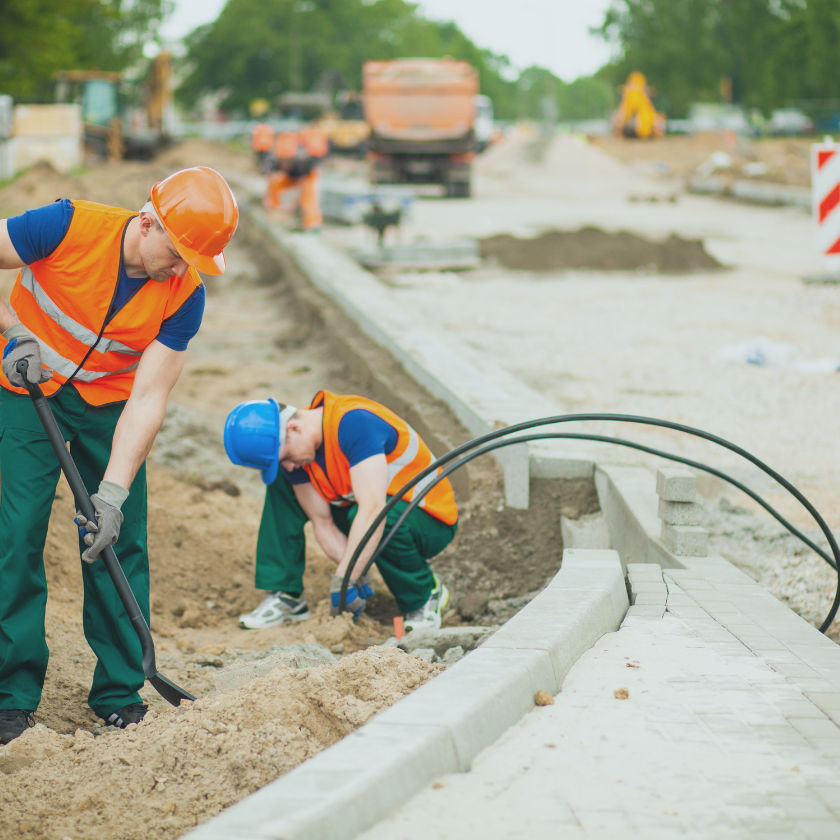
Infrastructure plays a key role in today's international relations: globalization would not have been possible without ports, railroads, roads and airports.


World’s Rich Nations Jostle to Lead Globalization Clubhouse
The race to fill a role at the heart of world economic policy making is turning into a new battleground for the future of globalization.

The Crucial Challenge of Cyberthreats
In this special issue of Politique étrangère devoted to the proceedings of the conference organized by Ifri on April 10, 2019, in the Grand Amphitheater of the Sorbonne, on the occasion of its fortieth anniversary, discover the debate moderated by Marc Hecker between Thomas Gomart and Jean-Louis Gergorin.
Japan and Central Asia: Do Diplomacy and Business Go Hand-in-Hand?
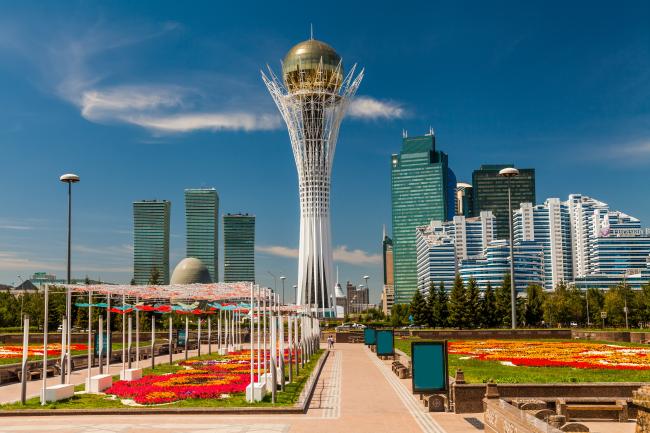
Japan’s policies in post-Soviet Central Asia, similarly to its actions in other Asian subregions, have often been interpreted recently as reactions to China’s advances – in particular, the Belt and Road Initiative. This first impression can be misleading.

The Future of Urban Warfare in the Age of Megacities
Urbanization is a relentless trend, and as cities grow and expand, armed conflict and violence are urbanizing as well.
The Japan-India Economic Partnership: A Politically Driven Process
In the last decade, the strengthening of the India-Japan strategic partnership has been primarily driven by geopolitical considerations, in an era of competing regional visions and influence.
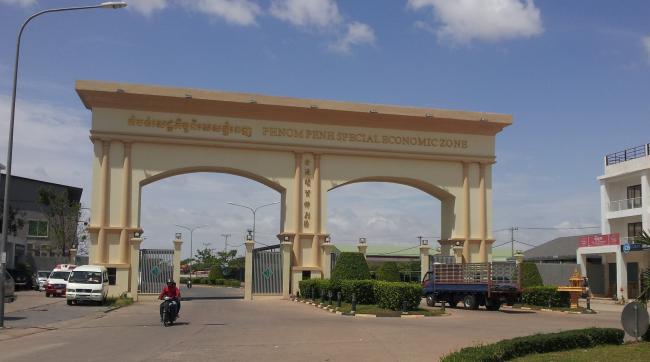
Catching Up or Staying Ahead. Japanese Investment in the Mekong Region and the China Factor
There is no denying that the Mekong region has become an economic battleground where Japan and China are competing to gain and sustain economic influence in the region.
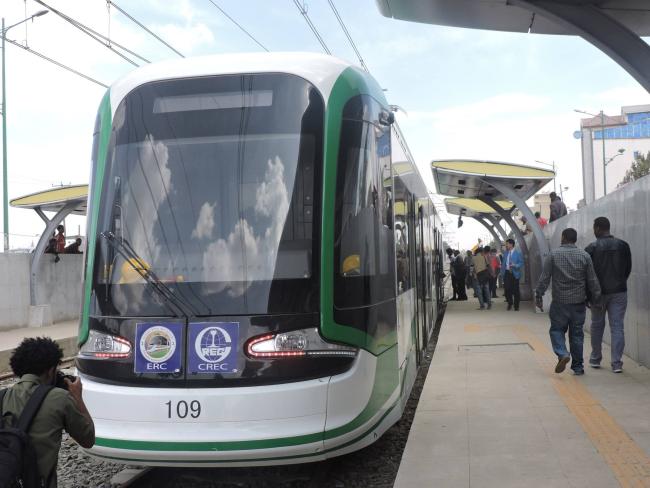
The Challenge of Urban Mobility. A Case Study of Addis Ababa Light Rail, Ethiopia
In September 2015, Addis Ababa introduced the first Light Rail Transit system (LRT) in sub-Saharan Africa. This tram, a symbol of Ethiopian renewal, was nevertheless barely used by the capital’s residents during the first few months. However, at the time of our research trip in April 2017, access to the tram during rush hour was difficult and the trams were overcrowded.

Land Tenure Tensions in Maputo. A Study of the Neighborhood of Polana Caniço
Maputo, the capital of Mozambique, is driven by fascinating urban dynamics. The country’s institutional setting is influenced by the legacies of the different political regimes of the last 50 years, which have left visible traces on the urban fabric.
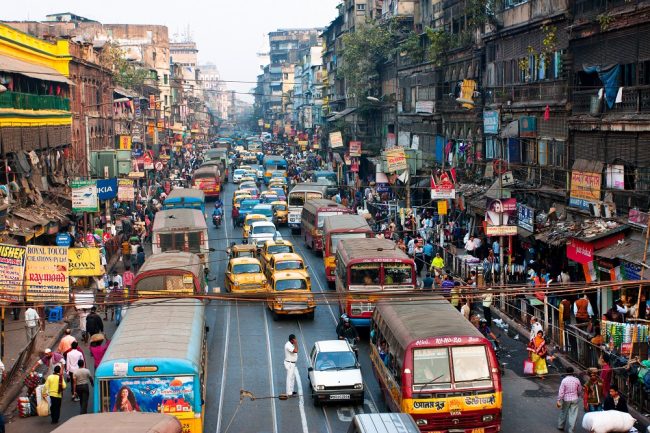
Challenge of Making Smart Cities in India
The Indian government has launched the Smart Cities Mission in June 2015 with the aim of providing a better quality of life to the citizens in 100 cities of the country. This paper describes the main features of the Mission and attempts to explain the challenges in the way forward.
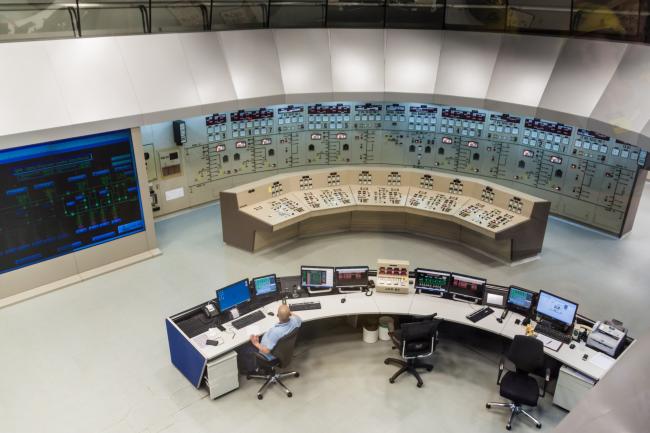
Cyber Attacks: A New Threat to the Energy Industry
The Network and Information Security (NIS) Directive has been adopted on July 6th, 2016 by the European Parliament, three years after the initial proposal by the European Commission. It paves the way for a much needed common cyber security strategy within the EU. This Edito explains the reasons why the energy industry is particularly vulnerable to cyber attacks, and what tools this new directive brings about to protect European critical infrastructures.
German public investment policy: between debt cap and increasing investment backlog
The German debate about public investment policyfaces a dilemma. The deficits in public infrastructure have grown considerably due to comparatively low investments in recent years. In addition, substantial investments for promising mega-projects, such as the energy transition (“Energiewende”) and broadband expansion are indispensable in a foreseeable future.
China’s Role in Multilateral Economic Institutions, between Revisionism and Status Quo
China, now the world’s second largest economy, is going to play an increasingly substantial role in multilateral economic organizations and mechanisms.
Urbanization and Mobility in China: New Patterns and Intermodal Connections
Chinese cities are getting bigger and are also growing into each other. To ensure that the rapidly increasing number of urban residents have access to adequate transportation not only requires increased investment in transportation, but also careful deliberation to allow an optimal tradeoff between different modes of transport as well as a coordinated approach to land development and transport development.
Oil and Gas Delivery to Europe: An Overview of Existing and Planned Infrastructures. New Edition
The European Union’s hydrocarbon energy supply depends heavily on imports. While the European Commission has recommended diversifying and increasing domestic resources, notably with renewable resources which should grow to 20% by 2020, dependence on hydrocarbon imports will remain not only substantial, but will increase.
The Crucial Challenge of Cyberthreats
In this special issue of Politique étrangère devoted to the proceedings of the conference organized by Ifri on April 10, 2019, in the Grand Amphitheater of the Sorbonne, on the occasion of its fortieth anniversary, discover the debate moderated by Marc Hecker between Thomas Gomart and Jean-Louis Gergorin.
The Future of Urban Warfare in the Age of Megacities
Urbanization is a relentless trend, and as cities grow and expand, armed conflict and violence are urbanizing as well.
Land Tenure Tensions in Maputo. A Study of the Neighborhood of Polana Caniço
Maputo, the capital of Mozambique, is driven by fascinating urban dynamics. The country’s institutional setting is influenced by the legacies of the different political regimes of the last 50 years, which have left visible traces on the urban fabric.
Challenge of Making Smart Cities in India
The Indian government has launched the Smart Cities Mission in June 2015 with the aim of providing a better quality of life to the citizens in 100 cities of the country. This paper describes the main features of the Mission and attempts to explain the challenges in the way forward.
Oil and Gas Delivery to Europe: An Overview of Existing and Planned Infrastructures. New Edition
The European Union’s hydrocarbon energy supply depends heavily on imports. While the European Commission has recommended diversifying and increasing domestic resources, notably with renewable resources which should grow to 20% by 2020, dependence on hydrocarbon imports will remain not only substantial, but will increase.
Ifri, a foundation recognized as being of public utility, relies largely on private donors – companies and individuals – to guarantee its sustainability and intellectual independence. Through their funding, donors help maintain the Institute's position among the world's leading think tanks. By benefiting from an internationally recognized network and expertise, donors refine their understanding of geopolitical risk and its consequences on global politics and the economy. In 2026, Ifri partners with over 90 French and international companies and organizations.


To analyze the impact of power rivalries and tensions on globalization, this initiative combines economic and political expertise. In the face of growing geopolitical risk, the goal is to decipher the dynamics of reconfiguration: protectionist pressures, sanctions, restrictions, industrial policies, and economic security concerns are redefining the rules of international trade. These tensions are also transforming international financial relations by undermining the foundations of trust and reshaping the global monetary system. They raise questions about the role of several key players: sovereign wealth funds, central banks, digital platforms, multilateral institutions, and financial infrastructure operators. In a context of profound disruption, simply refining existing approaches is no longer sufficient. The initiative is designed as a flexible model, drawing on diverse expertise to offer both broad overviews and targeted analyses. It also provides a platform for stakeholders and experts from various backgrounds to debate these issues freely.